
Editorial
A collectible car versus a free college education
The Barrett-Jackson car auction took place last month in nearby Scottsdale. I was at a small outdoor party with someone who had attended the first day, intent on buying a Ferrari (or one of three other options) the following day. His budget was up to $400,000, so his purchase choice would simply depend on how the bidding played out. He had attended the first day to scope out the cars he might want and learn the bidding process before jumping in the following day.
It seems crazy to me that people care so much about cars that they would pay such vast sums for them, especially for rare or vintage "collectibles." In fact, that goes for just about any "collectible," which provides virtually no utility beyond—perhaps—a mild but fleeting ego boost or feeling of nostalgia. Perhaps he considered it an “investment,” though let’s be honest—if you have $400k to burn, is it really money you need to use to make even more money with?
Personally, I can't really imagine having enough wealth to even consider buying something like a car I'll never drive—even if I thought I could resell it later for a bit more money.
If I had an extra $400,000 laying around to blow on something like that, I’d spend it quite differently. I presume if such a purchase was even an option, that I had already fulfilled all of my needs and could already afford whatever experiences I wanted to have and travel wherever I wanted to. Granted, my wants aren’t of the “luxury” variety—which can never truly satisfy anyway given the hedonic treadmill.
And if that were the case, it just seems obvious that one would derive far, far more personal joy from spending that money to help others. How much joy can you really get from an object that you can’t really use, after all?
But how much joy would you get from funding the college educations of 6-8 kids compared with a car you'll never drive more than a handful of miles? We're talking about having a major impact on the lives of half a dozen human beings here—that's going to give you joy for A LONG TIME.
Not a fan of college? What about funding a gap year of international travel for each of them? Or maybe fund a twelve month runway for them to start a business—there’s no better education than actually doing it, right? All of these would be life-altering experiences that they might not otherwise ever have.
And each would likely return far more personal joy than the ego boost you get from owning something you never use—even on a much smaller scale than a $400k Ferrari. That's perhaps something we should all keep in mind the next time we're buying something frivolous.
In defense of traveling fast
"Wow, that sounds exhausting. I think I'd rather just spend more time at one place," she replied after hearing my itinerary.
I responded with a knowing nod. I understood why she felt that way. For many people, a vacation is all about slowing down, about relaxing. It means sleeping in, having nowhere to be, and taking one's time.
The concept of slow travel is generally revered among travelers. Countless books and blog posts extol the virtues of slowing down so as to "authentically" and intimately experience a specific place. And there's a lot to be said for that. There is absolutely nothing wrong with this approach; immersive travel is an amazing way to experience new places.
But it's not always the best approach for everyone. In fact, the push for slow travel as the single "best" or "right" way to travel seems a bit disingenuous. Like most people, I don't have gobs of time available to devote to a single destination. I simply have too many restraints on my travel opportunities—and faaaaar too many places I want to visit—for slow travel to be a viable strategy for each of my destinations.
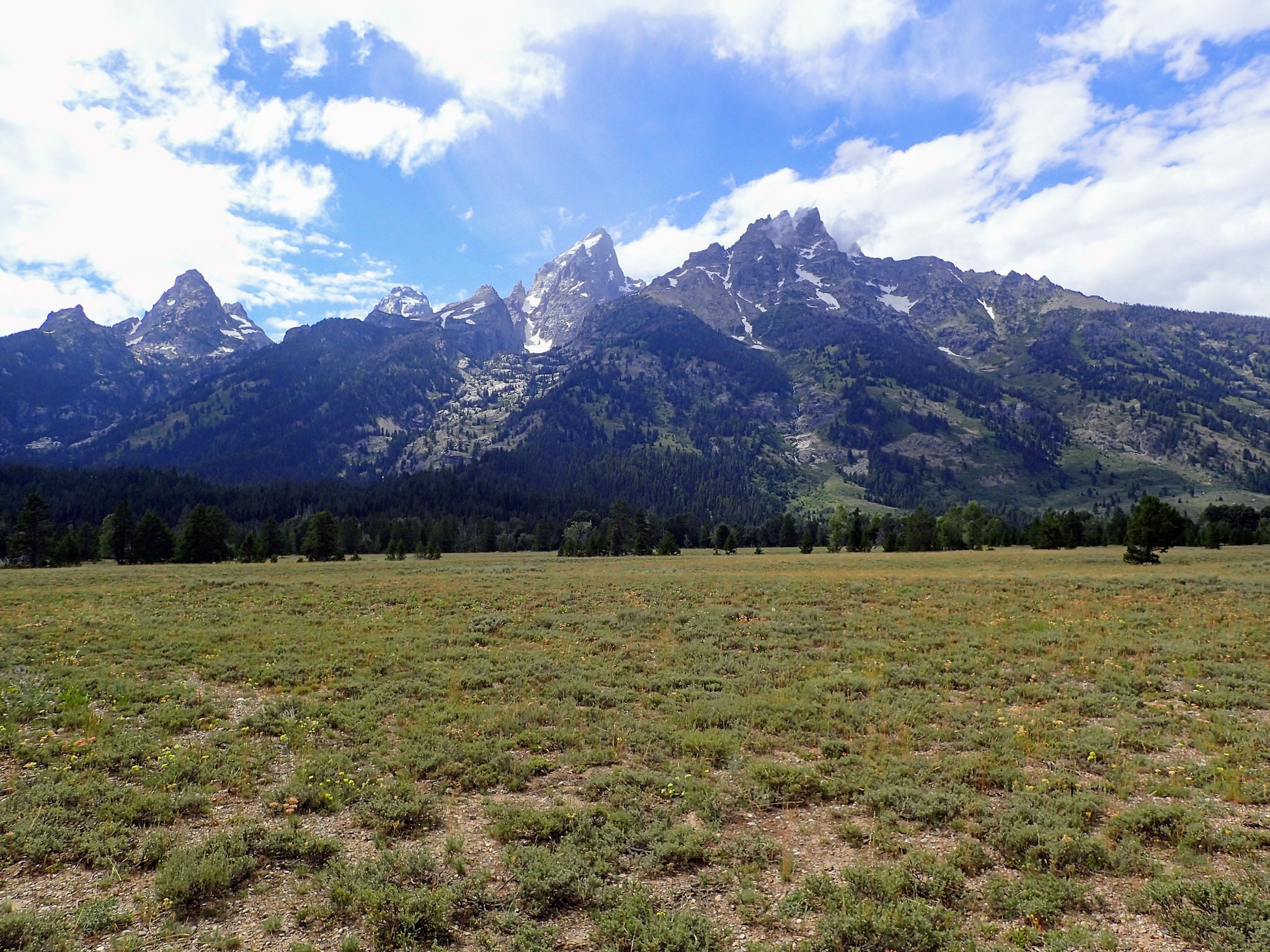
In practice, many people don't spend the extra time they might devote to a destination to truly getting to know that place, anyway. Instead, they might spend much of it cooking a more elaborate meal at the campground, drinking for hours by the campfire, or just reading a random novel in a hammock. Each of these can be a fun way to spend your weekend, but they're often totally devoid of place. After all, you could be doing them just about anywhere, and they add nothing to further experiencing a specific locality. In effect, those travelers have traded time they could have spent seeing something they've traveled great distances to experience for the opportunity to cook bacon and eggs and lounge around camp in the morning.
To me, fast-paced travel is about seeing and experiencing more of the places you do visit, or visiting more places than you otherwise might. It's about considering the opportunity costs at play and deciding in favor of seeing more of the unique places you can't easily otherwise see, rather than spending that time doing something that's routine or commonplace. It's about maximizing your opportunities to experience places, not shortchanging them (as it's often portrayed). What motivates me is that, by traveling fast and efficiently, I can sometimes even add bonus stops to my itinerary, or have extra time for spontaneous or unexpected activities.
"You can't see Yellowstone in a day and a half," she denounced. "Wouldn't you rather just go when you could visit for a whole week instead?"
"No, you certainly can't see it all. But you can sure see a lot of it, and that's vastly better than seeing nothing," I responded. That's always been my philosophy, at least.
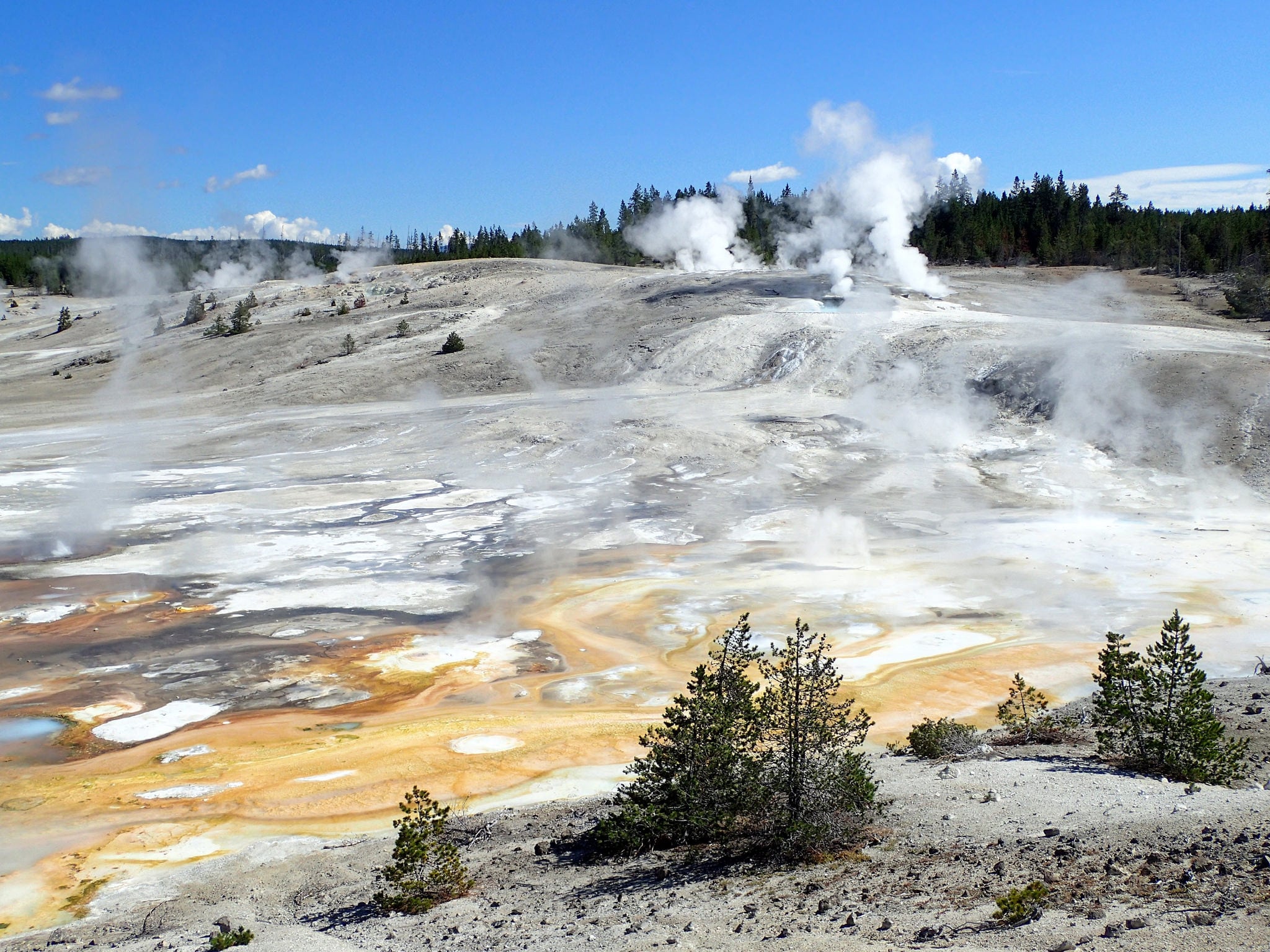
After all, waiting for the ideal trip is often a fool's errand. You may never have such an opportunity. They say there's no "right" time to have a baby. Similarly, there is unlikely to be a perfect time for a specific trip. Perpetually postponing travel for a mythical ideal opportunity in the future usually means that the trip in question simply never happens. Instead of focusing on what you can't accomplish during a short visit, consider what experiences you can have. You'll be surprised at the good time you can have just popping into a national park along your route for an hour or two. At the very least, it might be enjoyable enough to inspire you to prioritize a return visit.
So just go and see what you can, when you can, even if it's not exactly the absolute perfect visit.
What I'm not arguing
That doesn't mean you shouldn't be strategic when scheduling or planning trips. If you can legitimately postpone a visit until a substantially better time—one that's actually likely to happen—then it probably makes sense to do so. I'd much rather visit Death Valley National Park for four days in February than for a single day in July—but only if that February trip was actually something that was likely to happen. After all, an abbreviated trip to the scorching hot park—even in the dead of summer—is better than never getting there at all.
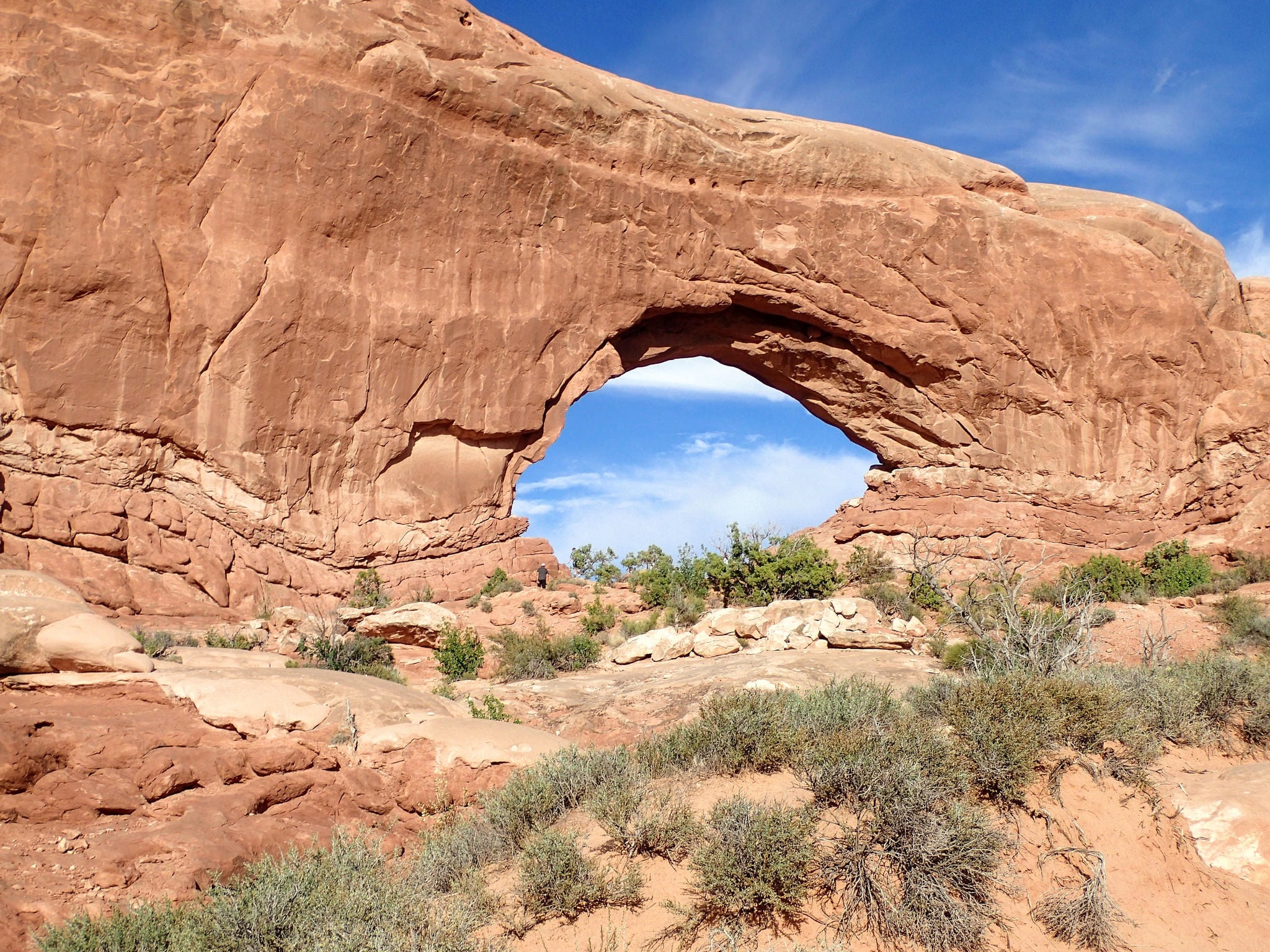
Similarly, if I have three things I absolutely want to see in the Philippines and I'm unlikely to get back there anytime soon, then making sure that I schedule enough time to visit those three things during my trip is entirely appropriate.
I'm also not arguing that you should ensure that your trips feel overly rushed. That's not the point, either. The goal here to increase your travel efficiency so that you can maximize the amount of time you spend seeing stuff you want to see—not simply so you can rush through every possible experience.
That said, I often do employ the 80/20 rule when it comes to my travel activities. That is, the things that bring me 80% of my joy during a trip tend to come from about 20% of the time I spend in various activities. As it becomes more obvious what activities that 20% includes, I strive to do those things more frequently. For instance, if I'm touring yet another historical house from the early 1900s, I might move more quickly through interpretative displays (of concepts I'm already familiar with) in order to spend more time learning about the specific historical figures that lived there. For me, the 80/20 rule helps ensure that I'm spending my time wisely.
Benefits of traveling fast
You get to see more places
This one is the most obvious benefit—and probably the most important one, too. It's pretty simple, really. By not wasting time on inconsequential things, you get to spend more of your time visiting other places. I'll gladly forgo a sit-down meal in favor of a quick sandwich if it means I can add a stop at that petroglyph panel that's not far off our planned route.
You get to see more of each place
Traveling fast isn't just about getting to stop at additional destinations. It's also about making more time for the destinations you're already at. By ensuring that you prioritize the time you spend actively experiencing places, you'll naturally get to spend more more time enjoying each destination.
You'll be better informed for future trips
Even if you don't get to spend as much time as you'd like at a destination, a short visit can often help better inform a return trip. You'll have a better sense of the place, usually have access to additional materials (like maps and brochures) and can often inquire for some recommendations. Quick drop-ins to help scout a destination can really help you plan a better, more complete return trip.
A few tips on how to travel faster
There are a variety of strategies for getting the most out of your trips. Here are some of the ones I most often employ; while many of these are roadtrip-centric, the underlying strategy can be applied to other types of trips, too. Pick and choose which ones might be the most effective for your own travel.
Prepare an itinerary
One of the best reasons to prepare a rough itinerary is so that you don't waste time researching what to do after you've already arrived. Knowing what you're interested in doing before you get there is a great way to save time. Now, that doesn't mean that you can't be spontaneous. Indeed, having prepared a rough itinerary can actually aid in being flexible, as you already know what you'll be giving up or how to reconfigure your trip to allow for this new activity. Best of all, you won't end up standing in a visitor center negotiating with your travel partner what you should do first.
My trip itineraries often include what I like to think of as "bonus" items—destinations or activities that aren't part of my planned itinerary but can be added (or substituted) when appropriate. That allows me to quickly add an additional stop if I'm running ahead of schedule, or to easily shift to a better activity if bad weather thwarts my original plans. Since I try to overestimate how much time I'll need at various destinations, I often find myself adding several additional stops during road trips. It's a great feeling to have extra time to add even more fun stuff than you had originally planned. Keeping track of these places using a custom google map makes the whole process even easier.
Keep things simple
Keeping it simple is often good advice no matter how you're traveling. But it's especially useful when you're trying to reduce wasted time during a trip. You can apply this strategy in a variety of ways. For me, I tend to focus in on food and gear. That means choosing meals that are relatively easy to prepare and require fewer ingredients and cookware. That way, I'm not spending excessive time preparing complex recipes and washing countless dirty dishes.
For me, it also means only bringing gear that I'm actually likely to use, so I don't have to spend extra time managing stuff I never end up using. That doesn't mean that you shouldn't be prepared for possible weather conditions, or that you can't bring a luxury item that you might not get a chance to use but really want anyway. But if you've brought your GoPro on your last five trips and never gotten around to powering it up, maybe it's time to leave it (and its countless accessories) at home.
Prep what you can before the trip
As much as possible, I try to prep food and other gear before I leave my house. For instance, I'll often get future meals prepped ahead of time by chopping any vegetables I'll need, measuring out ingredients, and putting everything together in a ziplock bag. That makes cooking both quick and easy while also limiting the number of dishes I have to clean, too. Similarly, packing your daypack ahead of time for that first hike will save you from pulling apart the car to assemble what you need when you get to the trailhead. Putting together activity-based kits, such as a grab-and-go bag of everything you need to shower at a campground, is also a simple way to prep for your trip. Best of all, once you get these things organized once, it's easy to keep them ready-to-go for future adventures, too.
Stay organized
This item probably goes without saying. The more organized you are, the easier it is to travel quickly. For me, being organized is all about having systems that work for how I travel. It's one of the reasons I love having a camping bin, why I try to pack my vehicle the same way each time, and why I create detailed trip docs with all of the relevant trip information listed on one master google doc. Each of these helps keep me organized, which means I waste less time managing my stuff or figuring out trip logistics while I'm on the trip.
Consider the trade-offs
The most important tip in this post is to consider the trade-offs you unconsciously make during a trip, then to choose the option that lets you maximize the unique experiences you can have while traveling.
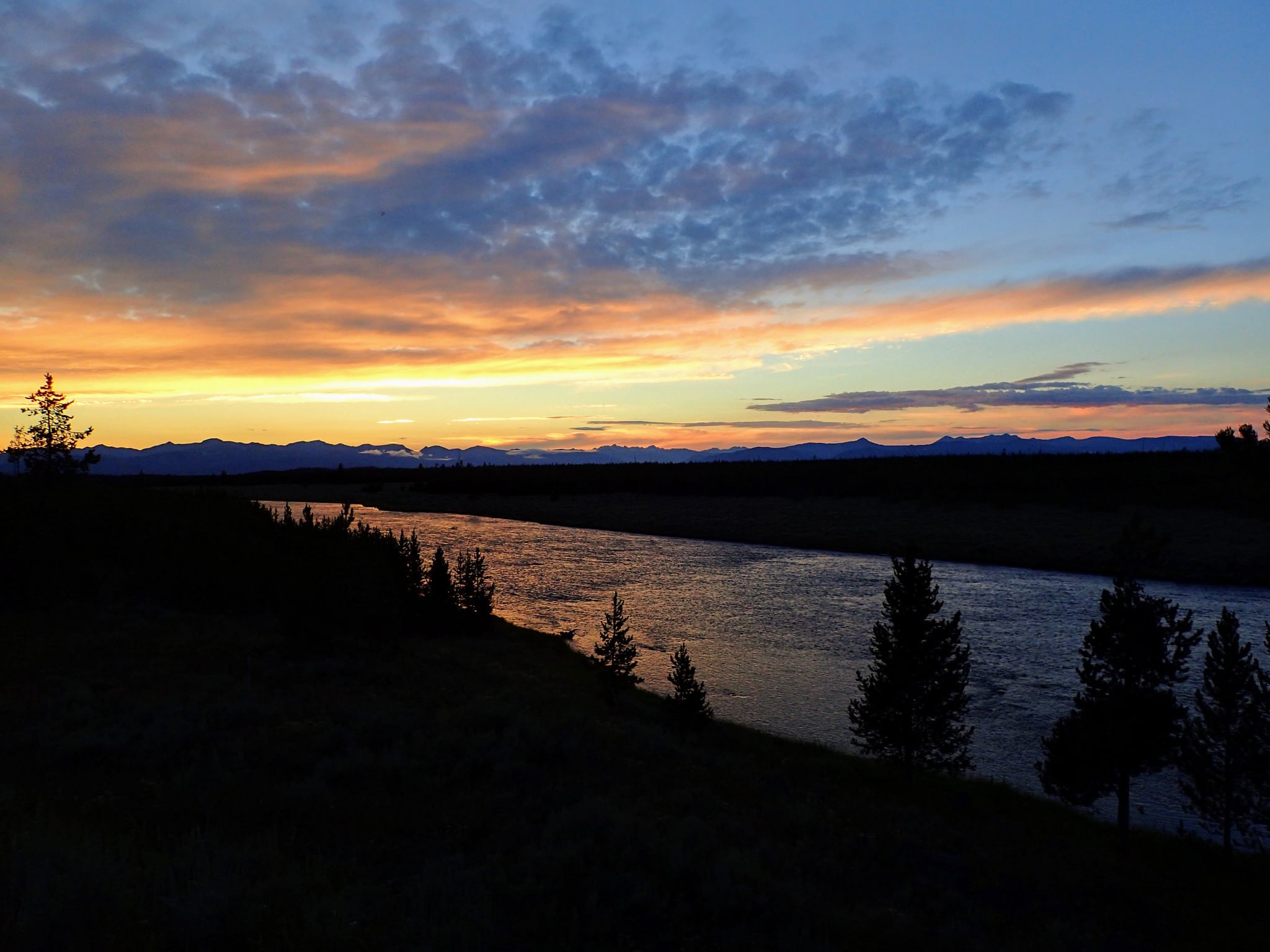
For instance, I recently had only 1.5 days available to spend in Yellowstone National Park during a road trip. Even though my buddy and I had brought plenty of food to cook and were trying to travel cheaply, we opted to eat dinner at the park. By doing so, we were able to spend three additional hours in the park instead of heading back to camp to cook when we got hungry. Having three more hours to visit the geyser basins was worth the extra $9 we spent on food that day. Similarly, instead of spending an hour cooking and eating breakfast and then cleaning up afterwards, we opted to grab a quick fast food breakfast sandwich on the drive instead. Sure, it was less enjoyable of a meal, but we were more than willing to trade that subpar breakfast for some extra time enjoying the geothermal wonders of a park we so rarely get to visit.
Now, the point here isn't to inspire you to order more crappy fast food, but it's to think about what trade-offs you're making and what's most important for you. In our estimation, eating a quick $5 burger and getting an extra hour in the national park easily outweighed enjoying the breakfast we would have cooked for ourselves. Your mileage may vary, of course, but consciously considering these trade-offs is the important thing.
Arrive late, leave early
I'm referring to your accommodations here, not your intended destination. Arriving too early at your campsite or to your hotel room means you've left some valuable time unused. Since I try to soak up every ounce of daylight seeing things that matter to me, campsites or hotels are mainly just places to sleep and shower before I'm off on the next day's adventures. For instance, I couldn't tell you the last time I turned on a hotel room television. Why would I? I arrive well after dark and head to bed quickly, then depart as soon as I'm ready in the morning. I can watch tv any time I want at home, but I can't spend that time enjoying a distant national park.
Set up camp in the dark
I regularly hear people say that, above all, it's important that they set up camp "before it gets dark." I wholeheartedly disagree. Unless you're searching for dispersed camping, setting up camp in the dark is no big deal. Indeed, in nearly every developed campground you'll find, it's a virtually identical endeavor as setting up in the daylight. The only difference is that you've traded precious daylight you could have used adventuring for time spent in what's likely just a run-of-the-mill campground. Today's tents are incredibly easy to set up; you'll do just fine using a headlamp. Spend 10 minutes trying it out at home first and you'll be all set.
Skip time-fillers that you can do anywhere
While I'm traveling, I try to reduce the number of activities I could otherwise do anywhere else, like watching tv or reading a book. If it's not something that is adding a new experience—especially one that I can only have at my destination—then I do my best to skip it. Now, that's not saying that you shouldn't brush your teeth in the morning, or take a shower unless you're doing it under a backcountry waterfall. But if the choice is between watching another Law & Order rerun in your hotel room versus staying out an extra hour to hear the Yellowstone wolves howl, well...I'd choose the latter.
Drive at night
Whenever possible, I schedule the long drives between major destinations for after the sun has set. That way, I'm not wasting daylight in the car just staring down the highway when I could otherwise use it to enjoy a canyon vista or watch some elk graze in the meadow. There are sometimes additional considerations here, especially for areas with high deer populations or for those who struggle with night driving, but the general strategy here is to minimize the amount of useful sightseeing time you spend stuck in a moving car. Obviously, if your intended destination is a scenic drive, well then, schedule accordingly.
Make good use of time in the car
Most trips require substantial time in either the car or in a plane, train or bus. While it's easy to see this solely as "lost" time, there are a variety of ways to help pass the time while improving your trip. You can do this by researching what activities to prioritize at the next stop, researching other nearby destinations you might want to add to your itinerary if time allows, creating shopping or other task lists for your next stop, deciding where you might want to eat dinner, or revising other trip logistics. It's also a great time to complete any tasks that might otherwise subtract from your available time or attention at future destinations, whether that's posting to social media, providing updates to family members, or catching up on critical work emails. It's also a great time to journal or think about what you've seen during the day.
"This all sounds exhausting"
I know, I hear you. And truth be told, sometimes traveling fast is.
Sometimes that's just the trade-off I'll happily make to see and experience as much as I can during a trip—a trip that's rarely as long as I'd like it to be. Traveling fast is all about maximizing the amount of time you have available for seeing new places (or returning to your old favorites) during the limited time most of us have available for travel.
I'm not here to convince you that this is the only way you should travel. It's not even the only way I myself travel. I'm simply arguing that it's a viable approach for many, and one that provides some great experiences that can't easily be duplicated. Even if you're still a bit skeptical about parts of this, I hope you can glean a few tidbits that will enhance your next trip.
Have some additional tips to share? Want to chat about this? Contact me.
A 'Monumental' Day of Blogging
Today, nearly 30 outdoor bloggers came together to publish posts in support of our national monuments on the 111th anniversary of the Antiquities Act. We called it 'A Monumental Day of Blogging' and ask readers to defend #MonumentsForAll by submitting a public comment during the national monuments review.
Here's what we wrote:
- Deeply Personal—Why I Care About National Monuments - Just Get Out More
- Five Reasons to Love National Monuments - Nightborn Travel
- A Monumental Fight - AZ Day Hiker
- Rio Grande del Norte National Monument - Nature Tech Family
- Pro Tips: Tommy Caldwell Talks Public Lands - Little Grunts
- In the Heart of the Creek - Mike Off the Map
- Dear Mr President - The Zesty Traveler
- A Monumental Day of Blogging - Parks and Points
- A Monumental Day - West Coast Hiker Girl
- Hands Off Our National Monuments - Campfire Guy
- Celebrating National Monuments For All of Us - Val in Real Life
- Why You Should Be Championing #MonumentsForAll - Inner Compass
- National Monuments: The Bears Ears Debate and How You Can Help - Sun Kissed Hiker
- What is a National Monument & Why Should You Care? - Bearfoot Theory
- Speak Out For Our National Monuments Under Review - Terra Galleria
- Dear Secretary Zinke - Wilderness Within Her
- National Monuments, Public Lands & Wilderness - Southwest Dude
- Public Comment on the National Monument Review - Modern Hiker
- Hikes Across America's Monumental Day of Blogging - Hikes Across America
- New York National Monuments: What Are They? - Backcountry Petite
- Monuments For All—Help Save Our National Monuments - G Who Travels
- My National Monuments Public Comment & How You Can Submit Your Own - Explore With Heather
- Two Monumental Reasons To Fight: Grand-Staircase Escalante & Bears Ears - The Modern Outdoors
- A Monumental Day For Our Nation - A Gray(t) Adventure
- The Antiquities Act: A Monumental Success - Illuminations from the Attic
- 4 Lesser Known National Monuments and Historic Sites of Arizona - Hiking the Trail
Thank you to everyone who submitted comments during the comment period. Even though we were largely ignored by Sec Zinke in his attack on Bears Ears and Grand Staircase-Escalante, the remaining national monuments have been spared—for now, at least.

Deeply Personal: Why I Care About National Monuments
Thank you to everyone who submitted a public comment by the deadline!
I've struggled for days to write this post. But nothing I type seems remotely adequate.
Some drafts have been too argumentative. Or too wonky. Others have been downright angry. One was rather melancholy, a sad ode to losing the places you care most about. I'm stumped—there's really no way to say all that needs to be said. I guess I should start with this simple sentence:
National Monuments are deeply personal to me.
Over the last two decades, I've visited most of the places that term has ever graced—from the very first to be designated, Devils Tower, to one of the last, Bears Ears. I've backpacked in National Monuments that have been expanded and recast as crown-jewel National Parks, and hiked in National Monuments that have lost their protected status entirely. I've camped in obscure national monuments you've never heard of, and navigated through crowds of tourists to gaze upon the most famous of vistas. I haven't been to all of them—not quite yet—but I will. I've been inspired by too many to ever stop.
But this post really isn't about any of those experiences.
Nor will this post argue policy, or point out the infuriating inaccuracies and bald-faced lies that we've heard from monument opponents. It won't detail the troubled legality of Trump's national monument review, or recount why the whole thing has been an utter sham, or explain the economic value of protected lands to rural communities. I won't lament the short-sightedness of this administration or the lasting scars they can cause. I could refute for hours the arguments proffered by opponents, dazzle you with charts and maps, or spellbind you with the words of those inspired by these treasured places. I could stir your very soul with photographs and video.
Instead, I'll share a few glimmers of what I saw while working on national monuments over the last 12 years—the personal side of it. The full tale is, as you'd imagine, far too long to recount here today, and so is the list of characters involved. This will be but a brief glimpse into that world.
When I see national monuments, I don't just see amazing landscapes that protect our natural and cultural heritage. Because of my involvement over the years, I can't help but see several layers of story deeper. I see the countless people that help make these places even more special than they already are—that make the national monument designation actually mean something.
I see a middle-age woman who fell in love with a single vista, and left her man and corporate job and happy life in the city in order to see that view every night. An unexpected community leader, she's now involved in everything of note in her tiny gateway community, including personally financing the creation of a volunteer friends group she runs for the adjacent public lands she cares so much about.
I see a retired man who loves exploring, who spends countless weekends traipsing across wind-whipped plateaus in search of pottery sherds and rock art—making a hobby out of expanding our knowledge of the area while populating the database that's studied by land managers and archaeologists.
I see a government bureaucrat who still remembers the first time he stepped foot in his favorite national monument—two decades before it became one—and couldn't stop smiling at the scene before him. He endures the tedious parts of his job because of memories like that one. And that tedious work, even when I don't agree with each of his decisions, brings the promise of the national monument closer to fruition.
I see a graduate student, lending her newfound knowledge and seemingly boundless energy to the board of directors of the national monument's volunteer friends group. She stumbled into involvement with the group last year, and now spends her Tuesday nights in meetings and her treasured Saturdays—her only day off—coordinating various monitoring and outreach projects.
I see a shy man, who inherently avoids conflict and any remotely political discussion, sitting at his computer in the dim light of his living room. He's carefully outlining a powerful guest editorial that will be published in the city's newspaper later that week. Secretly terrified at taking such a public stand on a controversial issue, he pushes on because he believes in the cause at hand. He owes it to his two small grandchildren.
I see the young mother of a toddler, missing bathtime once again so she can sit in the dingy conference room to plot with her colleagues how to recruit more volunteers for next month's restoration project. She'll return home, put her daughter to sleep, and spend the next few hours making good on the volunteer tasks she took on during that meeting.
I see a small group of three volunteers practicing soliciting each other for a donation during a fundraising training session, trying to get comfortable with the act of asking for money for a big project they're involved in. It feels awkward and uncomfortable and nerve-wracking and they repeatedly stumble through the words. They high five each other after finally pulling it off without faltering or nervously fidgeting with their hands.
I see a monument manager remaining steadfast in her willingness to make the right management decision for the land and the American public, even though doing so might sabotage the promotion she desperately wants and definitely deserves. The possible political repercussions are disconcerting, but she signs the document anyway.
I see a guy skipping dinner so he can make it a public comment meeting, wanting to weigh in with a few words about the invasive grass he sees climbing the desert slopes. A former botanist, he tells the audience that the grass could cause great harm to the ecosystem by carrying wildfire to hardy desert plants unequipped to recover from such an event. He's willing to organize his friends and others to remove it, even by hand if necessary—an activity he'll end up spearheading for the next seven years.
I see a bleary-eyed staffer from a conservation organization patiently assist, for the fifth time today, a volunteer struggling to understand the arcane intricacies of a thousand-page resource management plan. It's not what either had in mind when they first got involved. It takes serious resolve and tenacity for them both, but it's important to the places they each care about, so they persist.
I see a retired art teacher who now finds herself as treasurer for a friends group. She hates the actual work (she hasn't balanced her own bank account in decades), but took the position because no one else would and the job needed to be done. She now spends her mornings reading blog posts on becoming a better nonprofit treasurer, a habit even her close family is surprised by.
This is just a quick sample of the stories and people involved in these efforts. Individually, they may not seem like extraordinary or especially noteworthy examples. They're not. But collectively, it's a truly impressive. People from all walks of life, personal interests and hobbies, skills and experience, religions and political tribes, all sacrificing and working hard to bring the words "national monument" to life. I've been up close and personal with these stories for more than a decade and I can't overstate how inspiring they can be.
It's not hard to review any of the national monuments of the last 20 years—or just about any of those ever designated for that matter—and see why they're important places to protect. Unworldly landscapes. Critical wildlife habitat. Stunningly gorgeous scenery. Ancient artifacts and seemingly untouched pueblo ruins. We've been granted an amazing inheritance of public lands containing innumerable important resources.
But these places aren't just scenic destinations you scroll through on your instagram feed. They're deeply personal and important places to many who have toiled, sacrificed, and sweated to make them worthy additions to that revered inheritance we pass along to future generations. When you see these names on a map—when you visit them—remember that countless people worked to bring that place to you.
Thank you to all those wonderful people.
We need an America the Beautiful pass for kids
For the ninth or tenth straight year, Kim and I bought an America the Beautiful Pass (or its predecessors, the National Parks Passport and Golden Eagle Passport). For $80 a year, it'll get you and your family into every National Park unit and the other federal land management agency lands for free. Given the fabulous list of places that includes, it's an incredible steal.
Most years, it pays for itself early in a roadtrip. This winter, it only saved us $8. Vicksburg National Military Park, of the 11 total national parks we visited, was the only one1 that charged an entrance fee. Unlike the majority of sites in the West, we've noticed that Southern units rarely charge an entrance fee. Even so, we'll probably break even later this year.
In addition to the regular America the Beautiful pass, there's also an America the Beautiful Senior Pass, an America the Beautiful Access Pass, and an America the Beautiful Volunteer Pass.
The Senior pass, formerly called the Golden Age Passport, is a one-time $10 (now) $803 fee and covers US citizens ages 62 and up. That's quite a deal. The Access pass, formerly called the Golden Access Passport, is an even better deal - it's free for anyone with a permanent disability. Mind you, these passes cover the entrance fee for you (and your family) into any national park for rest of your life. The Volunteer Pass, however, is awarded only after 500 2502 cumulative hours of volunteer work and is good for a single year from that date.
Now, I realize that many seniors and people with disabilities may have limited and/or fixed incomes which make it difficult to enjoy our national treasures. But at the same time, we're not asking for income tax returns at the entrance station—if your drivers license says you're 62, you get a lifetime pass...even if you're Warren Buffett. I understand that getting seniors to the parks is a laudable goal—and that as a voting block, they could be particularly helpful in ensuring adequate park funding.
But I think we're missing the real opportunity here: getting young kids to the parks. Instead (or rather, in addition to) the existing passes, there should be a youth pass. It should be valid until the age of eighteen and function similarly to the senior pass.
We should call it the Golden Eaglet Pass.
Yes, kids under the age of 16 are already admitted for free. But that's misleading. If you're driving to a place like, say, Grand Canyon National Park, you're going to pay $25 $30 a carload whether or not it contains a 12-year old. But if grandpa was asleep in the back seat, you'd get the entire car in for free.
There are already very compelling reasons for why we need to get kids outside more often - whether it's combating obesity, connecting them with the wonder of the natural world, or giving them a chance to learn first-hand about our natural and cultural heritage. We all know and agree that it's important.
We also need them to become lifelong advocates for public lands, helping to ensure that the special places they visited remain for their own children to experience. Providing an incentive for families to make sure that happens is a good idea.
As a final comment, I'd also love to see the volunteer pass dramatically lower its service hours requirement. 500 250 volunteer hours is roughly an entire quarter of full-time work and would be valued at more than $10,000 $5,000. That's a ridiculously high amount of volunteer time for an $80 pass and essentially ensures that only retirees will meet the requirement in a single year (and hell, they can already get a lifetime pass for $80). That total should be dropped to 50 hours or less. After all we should be doing a better job of rewarding those who donate their time, energy and skill to protecting and interpreting our special places that help make this country great.
Note: You can buy any of these passes (well, except for the youth pass I've proposed) at virtually any National Park Service unit that charges a fee, or basically any federal fee area that's staffed. By the way, the unit at which you buy it receives an additional cut of the fee, so keep that in mind. In the past, we've also seen them for sale at REI.
Also, most federal sites have "fee-free days" several weekends a year.
Footnotes:
[back to post] Poverty Point National Monument, while technically a unit of the National Park System, is owned and run by the State of Louisiana and charged its own $2/person entrance fee that's not covered by the pass.
[back to post] The Volunteer Pass requirements have been dropped to 250 hours, which is still far too high.
[back to post] The National Parks Centennial Act passed in early 2017 is raising the price for the Senior Pass from $10 to $80 for the lifetime pass. Still an amazing deal.
