
Thoughts
The Largest City Parks in the United States
Below is a list of the 15 largest city parks and preserves in the United States.
Four out of five
When most people think of Phoenix, they think of endless suburban sprawl. And, certainly, that's part of the story. But here's something that many are surprised to learn:
Four of the five largest city parks are located in metro Phoenix.
As in, municipal parks that are located entirely within city boundaries and are managed by city parks department staff1.
But that's not all...
The Phoenix metro area is also encircled by the nation's largest county park system2, which includes 12 regional county parks comprising about 120,000 acres. The 315-mile Maricopa Trail (and its sister 120-mile Sun Circle Trail) also encircles the metro area by connecting many of these county parks.
And of course, metro Phoenix also borders the famed Tonto National Forest (the ninth largest in the country at over 2.9 million acres), the nearly 500,000-acre Sonoran Desert National Monument, and several million acres of BLM public lands.
You may only think sprawl when you think of Phoenix, but you should probably also think parks, public lands, and preserves, too.
| Park Name | Acres | City, ST | Est3 |
|---|---|---|---|
| McDowell Sonoran Preserve | 30,580 | Scottsdale, AZ | 1994 |
| South Mountain Park/Preserve | 16,281.8 | Phoenix, AZ | 1924 |
| Phoenix Sonoran Preserve | 9,612.4 | Phoenix, AZ | 1998 |
| Cullen Park4 | 9,269.8 | Houston, TX | 1984 |
| Skyline Regional Park | 8,700 | Buckeye, AZ | 2016 |
| George Bush Park | 7,800 | Houston, TX | 19455 |
| North Mountain/Shaw Butte Preserve | 7,500 | Phoenix, AZ | 1972 |
| Mission Trails Regional Park6 | 7,220 | San Diego, CA | 1974 |
| Jefferson Memorial Forest | 6,218 | Louisville, KY | 1945 |
| Forest Park | 5,157 | Portland, OR | 1948 |
| Piestewa Peak/Dreamy Draw Preserve | 4,857 | Phoenix, AZ | 19557 |
| Lake Houston Wilderness Park | 4,786.6 | Houston, TX | 2006 |
| Eagle Creek Park | 4,766 | Indianapolis, IN | 1972 |
| Far North Bicentennial Park | 4,500 | Anchorage, AK | 1976 |
| Griffith Park | 4,282 | Los Angeles, CA | 1896 |
Sprawling cities = sprawling parks and preserves?
As you can see, the Phoenix and Houston areas absolutely dominate the listings.
That's interesting, as those two cities (along with Los Angeles) are probably the poster children for "urban sprawl" in the US. But the ability to expand outward also provides an interesting opportunity to protect undeveloped land in a way that more dense and established cities like New York, Boston, or even Chicago, would struggle to do.
At the same time, Phoenix was a bit of an outlier. It purchased South Mountain Park from the federal government way back in 1924, just a dozen years after statehood and while the city was still quite small—about 5.1 square miles with a population of 38,500, though growing as fast as ever. Even with the property still 7.5 miles away from city limits, city leaders feared that this was their only opportunity to preserve the best nearby recreational areas. They ended up purchasing an area about 5 times larger than the city itself.
Houston's largest parks, on the other hand, are derived from lands enclosed by federal reservoirs, presumably for flood control and drainage, as the city is located in bayou country. I don't know the specific history at play, but surmise that its large parks were created because the reservoir land would otherwise be "unused" for commercial purposes; whereas in Phoenix's case, it was a very concerted effort to proactively protect prime locations from development.
Note: while I've done my best to be accurate in this post (I've even contacted several cities above for accurate numbers, though I never seem to get a reply), it's surprisingly difficult to find simple, accurate answers. Part of that is because land acquisitions continue (yay!), and older information isn't always updated. But my main purpose in this post is pointing out how many large parks and preserves metro Phoenix has, so even if a few numbers have changed, you still get the picture. If you find an error, please send it to me so I can update this!
Last updated: May 23, 2024
Why I'm sticking with Wordpress, at least for now
I love many of the new, simple blogging platforms—Scribbles, Pika, Micro.blog, Bear Blog, omg.lol, and so forth. They're useful for helping you get words on page without much fuss. You don't worry about endlessly tweaking your design, because there really isn't much of one. Like social media, it's more standard interface than personal website. This can be refreshing for those of us who don't enjoy tinkering with code; it lets you focus on what you write, not how everything looks.
But in that simplicity, I'm finding it more difficult to abandon Wordpress for my primary site than I'd like it to be.
That's not because I actually enjoy using Wordpress these days—it's far too complicated than it used to be, at least for me. I don't enjoy the experience there anymore, at all. But it offers some basic features that those simple platforms just...don't (perhaps won't?).
Permalinks
If you already have your own domain name and are moving an existing website from one platform to another, you probably already have a slew of published pages and posts. But many of these platforms don't allow you to choose your own permalink structure, or update an .htaccess file.
So anyone who has gone to the trouble of linking to one of my posts is, well, about to regret having done so, as moving to another platform kills those links. For companies and customers that espouse a return to personal websites and blogging—where we intentionally directly link to others' sites instead of relying on social media algorithms—this feels especially out of tune.
Related to that is maintaining the integrity of the links on one's own site. There seem to be plenty of external services that you can employ to do this, but it seems like it should be a core feature that's omnipresent in all blogging software. After all, if links are the lifeblood of the web, shouldn't they be treated as important enough to keep current by every web publishing platform? At the very least, make this process as integrated and seamless as possible for me, so it's easier to keep up-to-date.
Better menu support
While most of these platforms offer some variety of static pages—ones that live outside of the traditional chronological feed—there isn't much support for websites that have more than a handful of pages, especially when it comes to menus.
There are a host of standard pages (here's another good list of them) that are commonly found on personal websites. If you linked to each of these in your menu, it'd quickly overwhelm any other pages you'd like to highlight. Now, part of the idea of /slash pages is that they're found in standard locations, but who wants to type in every variation hoping to get lucky? Sure, you can create one slashes page and manually link to everything within that one page. But that's a hack workaround that buries the links.
On my website, I have nearly as many static pages as I do topical blog posts. Most of them are not standard slash pages that anyone would guess. I mean, not many other people have a quest to cross every state border combination in the country. Or visit all the sites that were once national parks but have since been abolished or transferred. Or to visit all of the World's Largest Balls of Twine (yes, there's four different ones that all claim the title)(And yes, I can go on and on about my various quests—don't tempt me).
For me, these are all pages instead of posts because they're more a permanent reference than a timely update. They shouldn't be associated with a particular date, even if more detailed updates should be. For instance, Ideally I'd have one page for each of my ongoing travel quests, with occasional blog posts detailing when I've marked off another objective that are then referenced in the main page. At least, that's what makes sense to me.
Unfortunately, simple menus just don't allow for me to highlight all of the pages I have—pages that I always want to remain easily accessible no matter where on the site you are.
Photo galleries
One of the things I'd like to get back to on my website is posting more about our various travels, including posting a number of pictures from each trip. For the last decade or more, most of these ended up on social media platforms instead, which is a real shame. They should live on my personal website, after all.
But nearly all of the simple blogging platforms make posting a series of photos less-than-ideal. Sure, they render fine, but are mostly just a bunch of full-width images that require a lot of scrolling to get through. This doesn't work very well for travel-related posts, as my visitors are pretty divided on whether they're there primarily to see photos or there to read about the trip.
While it requires a bit more coding complication, I like having things like a customized tiled gallery, or a carousel, or a slider of some sort for various photo-heavy blog posts. Hell, for a long time, it was a leading factor in which Wordpress theme I chose.
Where does that leave me?
Oh hell if I know! 🤷♂️
The most likely scenario here is that I first attempt a redesign of my Wordpress site (which sounds awful), while also micro-blogging on one of these other services—always using a custom domain that I can later redirect if I move those posts elsewhere. And if that solution doesn't seem to work well, then perhaps the endeavor provides me with a bit more clarity on how to proceed.
[29/31] for #WeblogPoMo2024
[31/100] for #100DaystoOffload
Originally posted on scribbles.rscottjones.com
Did we need big social media platforms to find "our people" online?
tldr: Nope, it's actually harder to do on big social platforms. Here's why.
Here's a short reply I had to a message from a good friend on the role social media—specifically twitter—played in us meeting and becoming friends. He was gracious enough to let me respond.
"I mean, look at us--It took a big network like Twitter for our paths to cross, and ditto for a tons of baseball friends, national park friends, etc"
- one of the friends I met via Twitter's #parkchat
Oh, I don't at all believe that we needed a big network like twitter to meet! I believe the opposite is true, actually.
Sure, we happened to find each other there, but twitter didn't enable it in some unique or special way. I mean, the web was already a very social place before twitter, and for the same reasons Twitter took off, there's every reason to believe that the rest of the social internet would have continued to absolutely blow up too.
Even if twitter (or other large centralized social media) never existed, our meeting was just as likely to have happened somewhere in 100 other online communities--perhaps on the extremely active comments section of some road trip blog to a web forum on national parks or an online club organized on whatever replaced Yahoo Groups, or a photo-sharing site like flickr, or a mailing list of travel questers, or on any of the myriad other social networks that existed or would have existed, if not for twitter. Don't forget the hundreds of competing sites that the big platforms acquired simply as a way to kill off any possible competitors. I've made friends on basically all of those types of communities.
On net, I think centralized social media platforms like twitter actually collapsed opportunities to connect with people with similar interests online, not enhanced them. (I think they had a lot of other negative effects we're just now realizing too, but won't comment on that here)
We first connected via parkchat, right? Well, that was like 25 people tweeting at each other 10 years ago...in an absolute sea of tweets. Very little signal compared to the firehose of noise. You essentially accidentally stumbled into a conversation there. A big network is also a big haystack in which to sift through looking for your needle. After all, what infinitesimal percentage of tweets are about national parks? We were damn lucky for our rowboats to bump into each other in such a vast ocean.
Let's say you moved to metro LA and needed to make some new friends. Would you just stand on the street corner (the "big network" of 13 million residents) and wait to find someone in a Giants hat walk past that you could talk to? Nah, you'd go to the NY Giants fan club (the small network of 1300 members) instead, because of course it would be more likely to make new friends there.
Similarly, outside of twitter, there were plenty of other online communities of national park folks out there that we could have met on. And there probably would have been even more of them if no big networks emerged. Smaller ones, certainly, but like the fan club example, it's easier for boats to bump into each other in a lake than in the ocean. I stumbled upon the National Park Travelers Club—essentially a 10x larger and more dedicated version of parkchat—before twitter even existed. I met several park friends there (some that I later brought to parkchat!), and they were doing several times a year "tweetups" before twitter existed. Anyway, it wasn't super hard to find groups like this, you either just googled it, ran across a blog mention (twitter mostly replaced personal blogging), or ran across it organically somewhere else...just as we did with parkchat. And if people hadn't defaulted to big platforms like twitter, each of those communities would have had a much more vibrant community that they ran themselves...just like every social club has for hundreds of years now!
But, hey, I liked twitter and enjoyed parkchat for a long time and made some quality friends from it—no doubt about it! But just because we got 50 parkchat friends from twitter doesn't mean it was actually the best platform on which to make park friends. I also invested a lot of time into twitter--which is itself an opportunity cost. Had I not spent many years interacting constantly with a smallish group of (I dunno maybe 250 max?) parkchat folks and instead invested that same effort into interacting with the 2500 park questers in the NPTC, what might that have looked like? Might I have 10x more park friends right now? What might it look like now if I had invested 1/6 of the time on twitter and spent the rest in five other communities of parkchat-like folks? It's almost certainly higher ROI for creating friendships in those other topic-specific communities because you're not wasting time sifting through unrelated stuff, like ads or posts on every other possible topic.
Our instagram feeds these days are a good example of that. Users are currently served 1 ad after every 4th post in the timeline. So you're spending 20% (1/5) of the time you scroll looking at ads and not the posts of your friends or might-become-friends. That's a helluva lot of overhead. You wouldn't watch TV if there was a minute long commercial break for every 4 minutes of your show. But we accept it on social media. Not because it's a rational decision necessarily (I'm sure you don't think scrolling IG is the best way to find new luggage), but because we first became invested in the ad-free versions and then (because of inertia, network effects, switching costs, collective action problem, etc) just accepted the ensuing platform rot as a necessary cost. (Side note: 75% of my IG ads right now are for a "buy once, use forever" style razor...that I already bought a year ago. These ad platforms have gotten much worse for businesses too; and as consumers, we've helped trap them into an increasingly bad business model.)
We've all been down this road before, of course. The early internet's twitter and instagram were AOL and Prodigy. It seemed downright amazing that we could make friends online and so we readily accepted the ads and walled garden as a worthwhile cost for that. But luckily some nerds thought "wait a minute, couldn't we make this soooo much better??" and developed protocols like html, http, url, and web browsers. And suddenly we had the Cambrian explosion of the World Wide Web. And then we all quickly abandoned the old narrative that AOL was important and worthwhile and realized how incredibly dumb and limiting it was to think that the service was peak internet that we should just accept as-is—that we should only be able to email people who were also paying for AOL and not everyone on the whole planet. I think we're at that same point in time with social media and hope we can get over the hump like we did back then.
Anyway, thanks for letting me push back a little; feel free to tell me where I got something wrong. I know I'm pretty ornery on this topic these days. You know that I really do love connecting with people online—it truly is amazing—and I'm probably the only person you know that has an actual form on my website for "people I know online" to add themselves to my road trip itineraries. But we all deserve some better solutions and have all the tools we need to make something better. So that's what I'm trying to do.
The last years of your life suck
Unless you die earlier than you need to, the last years of your life generally suck.
When planning out the course of our lives, many of us see retirement as our “golden years.” Not just the slow wind-down of our lifespan, but the culmination of a long-time goal: the end of the “ugh I have to go to work again today” phase of our lives. It means the freedom to do, well, whatever we want.
It’s something we aspire to, and often make sacrifices to attain. We work harder—postponing important personal goals—during our “working years” to help ensure that we have a better retirement. We don’t take that bucket list trip, or we spend the extra weekends pounding out work deliverables in order to “get ahead.” We defer experiences we want to have. We don't save time or energy for the things we say we really care about.
In short, we try to play the marshmallow game to win both marshmallows.
But what if the last several years of your life won’t be fun, no matter what you have planned for it? Odds are good that it’s going to suck—at least in comparison to your life right now. Put another way, what if the second marshmallow is disgustingly stale? Or maybe more to the point, what if you wait too long and both marshmallows are stale?
What to expect when you’re old
There’s a roughly 50% chance that your partner will die before you. You’ll spend an increasingly large portion of your life in doctors appointments, and awaiting test results, and being seen by various specialists worried about various ailments. You may have significant long-term health issues that detract from your quality of life. Many of your friends will die, or move away to be closer to family or medical services. Small injuries may have big consequences, disrupting or potentially ending your ability to enjoy the hobbies you love. Various body parts won’t work as they used to. You’ll slowly (or sometimes quite quickly) lose important parts of your independence. You’ll get more forgetful, and probably feel bad about it. Your hearing, eyesight, finger dexterity, strength, and mobility will all decrease. You may need daily assistance to complete many of the relatively routine daily tasks of living.
In short, at some point, your life will very likely not be as you’d like it to be.
A new perspective
Now, that doesn’t mean that life will be horrible. You’ll probably have a much better perspective on what really matters in life. You may be very grateful for the opportunity to live yet another day, even if it doesn't look like you might have expected it to a decade before. You’ll adapt, as best you can.
But you won’t be living the same life you did before.
It’s important to plan ahead for this period of your life. Trust me—if you don’t, you may not have much input into the decisions that must be made. It’s also a tremendous burden to push onto your partner, or children, or siblings, or whomever will have to do it for you.
How to plan for your last years
When I do this mental exercise, the first thing that stands out is that it’s a period for which I shouldn’t optimize for doing fun things. Simply put, I know those last few years of my life won’t be fun. They’ll be challenging. I’ll have increasingly little control over my daily life. I won’t need money for travel, as I likely won’t be doing any. In fact, there’s not much “extra” money can do for you.
That doesn’t mean I should spend it all and leave no resources available for those last years. Not at all. Make your last years as good as you can; just don’t count on those years being nearly as good as the previous ones were. Once you cover your basic living costs, you won’t need much more—there’s no additional utility in having a nicer house, or a nicer car, or even a nicer TV.
You’ll want enough resources for good care, and a comfortable place to live, and some basic spending money. But there’s just no marginal benefit in having expensive versions of any of those things. They don’t move the happiness needle at all by that point (and they probably never did to begin with).
What this means to me
So when I think about the last stage of my life—the one that will likely suck—I want to have accomplished everything I wanted before that time arrives.
That means not deferring the experiences I want to have now for the possibly mythical retirement years I am looking forward to. Because not all of those years will be grand. Some—hopefully. But not all of them.
So do more now.
Do it when you can really enjoy it.
And paired with the compounding nature of memories, this will provide you with far greater personal value over the course of your life than waiting until late in life to have the experience.
Better yet, when you do finally reach that stage of older age when you encounter more of the suck, you’ll feel good to know that you predicted this—you did the important stuff early. You front-loaded valuable experiences. You accomplished what you wanted to. You had your grand experiences already, when you could most enjoy them.
I suspect that will make the transition to those sucky years just a bit easier.
This was originally posted on Hey World.
How can a digital camera from 1999 change your life?
I spent a few minutes tonight looking through my old Flickr account, which I'm in the process of finally closing. The earliest photos I posted there came from my first digital camera, a Kodak DC240, that I bought in 1999. It was an expensive purchase for me at the time, but an impactful one.
Looking back, the camera probably played a surprisingly outsized role in sharing my enjoyment of the outdoors. Prior to that, I had an entry-level SLR camera, which had started to get me interested in photography. I also had access to lots of free film rolls from my dad's office. Unfortunately, they were all 12-exposure rolls, which meant I'd be paying a substantially higher per-shot processing fee than the standard 24 or 36 shot rolls. Given my meager finances during college, this was not ideal.
And because it was easy to shoot photos, but not to process them, I routinely took trips to exciting places...but couldn't afford to process the resulting film for weeks or months later. Infamously, it once took us an entire year to finally process all the photos we took on a two-week national park road trip, given the high cost.
But this digital camera changed that.
Everything changed. But I just didn't know it then.
Suddenly, I could take as many photos as I wanted because I could afford to "develop" them afterwards. Sure, I had to bring my laptop on our trips to download photos from the low-capacity compact flash cards, but we were running Microsoft Streets and Trips to plot out driving directions and gas station stops anyway. This was, after all, before the time of smartphones and data coverage.
And because downloading the day's photos to make room for the next day's adventures became an evening campsite routine, I developed a lifelong habit of reflecting on the day around the campfire. Perhaps that's played a role in my ideas on reflection as a component of maximizing one's Return on Adventure.
Planting the seeds for today.
Having digital photos also inspired another longstanding tradition: sharing my trips with others.
Back then, since we only took 2-3 "big" trips a year, I'd hand code a new HTML website for each major trip we took. This was a time-consuming endeavor, especially for someone with only a passing knowledge of HTML and CSS. But also made the trips feel extra special.
We could show off the cool places we visited, both to our coworkers at Staples and to out-of-state family. It was pretty cool, and it absolutely inspired us to travel further and more regularly. By 2000, I was posting a few select trip photos on rscottjones.com, and a couple years later, even tried my hand at launching a hiking website called GreatTrails.com (without a budget or social media, it didn't go far).
I started blogging about my trips on rscottjones.com, and eventually launched ScottsPics.com to use a fancier php gallery script to showcase my hiking and travel photos.

After my (now) ex-wife and I got engaged in 2004, we launched scottandkimmie.com where we started posting some of our bigger trips, along with regular travel blogs (side note: Jen and I have similar plans). By the time 2005 rolled around, I had started my Flickr account, using it to re-post photos of our weekend dayhikes and national park travels—and well, occasionally some political cartoons lambasting Dubya, too.
Getting social.
But Flickr wasn't just a place to host your photos, it was a social media network for photographers. I graduated from posting photos to conversing with others—people I didn't really know—about the photos and the places they depicted. It was great; I still have some friends today that I met through my first few months there. I started slacking on posting to scottspics.com, preferring the easier uploading interface and resulting social feedback of Flickr, so it became my default photo repository.
Within a few years, though, Facebook and Twitter had arrived, and they generally replaced my social time on Flickr. Around that same time, my then-wife and I divorced—and I suddenly spent a lot more time interacting with new friends I made in those early days of Twitter, tweetups, and Foursquare. Would I have put myself out there the way I did without those first few months on Flickr? Perhaps not.
Remembering where the first seeds dropped.
Somehow, over the years, I've gotten pretty bad at posting trip photos, especially now that I've generally abandoned Facebook. And I'm even worse about blogging about my trips.
But I'm social with many travelers via social media, nearly every single day. And like before, I've made some really cherished friendships out of it. And even though I often don't post full albums of my travel photos, or write detailed blog posts, or even considerhand-coding an entire website to commemorate my last snorkeling adventure, I still regularly share my trip experiences with you all.
We post photos of places we've visited. We share a story about our recent travels. We daydream about our next adventures. We converse during twitter chats. We share a virtual happy hour. We make plans to join each other at a destination. We learn real names, not online handles; we meet wives and husbands, dogs and cats. We sleep in guest rooms and living room floors, and vote in binding polls on one-year anniversary trip destinations. We befriend, celebrate, support, tease, and treasure each other.
It's not hard to walk backwards through the threads that connect these experiences, all the way back to a day when I opened the box of that Kodak digital camera—totally oblivious that it might start me down a path that connects directly to today, to me writing this very post to my adventuring friends on the internet.
And that, my dear friends, answers the question I posed in the title.
A thread about treasured memories
(This was originally posted on twitter as a thread on January 3, 2019, but I'm transporting it here and post dating it)
I'm flying to Portland tomorrow to spend the weekend with one of my favorite people, Lucie.
Over the years, we've had a number of grand adventures, some great conversations over pitchers of Mr Pineapple at OHSO (ok, and some shitty beer at Larry's Cocktails)...


...some memorable celebrations, and some rough moments when we turned to each other for support. I even had the privilege of walking her down the aisle at her wedding.
In short, LOTS of treasured memories.
She's awesome, one of the travelers that most inspires me, and a...


...cherished friend.
And we met because I decided to be a bit uncomfortable by attending a Meetup—a backpacking trip to Havasupai—with strangers.
I know many people are nervous about situations like that, but boy, if you're open to it—you'll be rewarded with good friends 💯


End notes
- Here's the post of the resulting adventure we had in Portland.
- Here's a related post about making adventure friends
Backcountry badassery, or an immersive experience?
I squinted at my finger, trying to make out what it was made of. I saw clear, tan, red, gray...maybe some orange in there, too. I pushed my glasses up onto my forehead, training my finger ever closer to my eyeball.
Whoa.
It wasn't the most extraordinary experience one could have in the outdoors. It was simply an interesting little pebble I had found during a leisurely, 90 minute lunch break during my hike. But it was still cool, worthy of a few moments of my attention for the smile it put on my face.
There's something to be said for maximizing your travel time, hyper-efficiently filling every available moment with new places to experience. Seeing as much as you can during the limited time you're free to explore. I love doing that—it's how I've managed to explore so much of the country, after all.
But it's also hard to compete with the slow, methodically-immersive experience you get while backpacking. Not ultralight backpacking, or fastpacking, or ultra trail running, or whatever the current craze to cover as much trail as humanly possible is being called.
No, I mean the simple and timeless endeavor of walking—slowly—through the wilderness. Of roaming, exploring, investigating. Of making progress towards camp, but not always in a straight path or as the guidebook presumes. Of being attuned to the subtle shift of the wind, the first cricket chirp of coming night, or how that long shadow lays gently across the cliff face.
No tracking one's time. No calculating one's average mileage per hour. No worrying about whether you'll make your next split. Just being present, capturing the moments we have in the wild, far from the daily routines our mostly urban lives entail. Just enjoying the journey, no matter how far or how short it takes you.
Many of my outdoor friends spend their days training to either lower their summit time or to extend their daily mileage. I get it, there's a certain human competitiveness that pushes us to challenge our physical capabilities...to affirm that we're still alive, that we're strong, that we're an impressive specimen of the species. Or simply that we can achieve something astounding.
Instead, I'm more interested these days in training myself to slow down when I'm outdoors. To strive to experience more—not because I cover more ground, but because I notice more and miss less. The way that bee drunkenly surveys the flower bush. The warmth of the rock as it radiates back the afternoon sun. The way the creek ripples around those rocks.
Call it a walking meditation. Call it an interrogation of the landscape. Or call it an esoteric interest in the wonder of our protected lands. Either way, it can be an incredible way of enjoying the outdoors.
Seeing the Grand Canyon—as fast as possible
The big hike many Arizonans strive to complete is the veritable rim-to-rim trek across the Grand Canyon, often abbreviated as R2R. Most people take a couple of days to do the trip, camping overnight at the bottom before heading back up the following morning. Once you graduate from that, the goal often becomes doing those 21 miles in a single day, something the National Park Service recommends against. Remarkably, the current R2R record holder did it in less than 160 minutes, which is a few minutes longer than Star Wars Episode I, but likely less grueling.
But R2R in a day isn't enough anymore; many now seek to complete rim-to-rim-to-rim (R2R2R, or R^3). It's an impressive feat, one that involves more trail running than hiking. The current record stands at an astonishing 5 hours, 55 minutes, 20 seconds, which is absolutely mind blowing when you consider that it involves covering 42 miles and 22,600 ft of elevation change.
While these are fastest known time records by committed athletes and not indicative of the times most people achieve, keep in mind that many, many people are both attempting and completing these types of trips. So many, in fact, that it's become a problem for the park managers. It's also a vastly different experience than the more traditional two-day trip.
How I saw the Grand Canyon on my own R2R trip
Several years ago, I decided to finally do R2R—the quintessential Arizona backpacking trip I had never quite gotten around to doing. But my itinerary looked remarkably different than what others were doing, especially the trail runners that I shared the R2R shuttle bus with. Here's the kind of trip I planned instead:
- Day 1: drive to the South Rim, drop off car, take shuttle to North Rim, camp.
- Day 2: hike North Kaibab Trail to Cottonwood Campground
- Day 3: hike from Cottonwood Campground to Bright Angel Campground
- Day 4: free day for exploring
- Day 5: hike from Bright Angel to Indian Garden Campground
- Day 6: hike from Indian Garden to South Rim, shower, drive home
Yep, I took 6 days to drive 4 hours to the Grand Canyon, hike 21 miles across it, and drive home.
And let me tell you, it was AWESOME. I got to spend almost a week enjoying one of the most iconic landscapes on Earth.
I got to lounge in my tent and watch the morning light pierce the horizon. I took time to just gaze into the distance, pondering those existential questions that often spring forth when you're surrounded by something so much bigger and timeless than humanity. I scanned ancient rock layer after rock layer while listening to the babbling of the creek that's slowly eating through them. I spun slowly in awe of the 360° view at Plateau Point and rinsed my face in gorgeous Ribbon Falls. I stared skyward long after dinner, not worried about a scheduled bedtime, to catch shooting stars amid an impossibly crowded night sky. I got to watch the sunset from a different place in the Canyon for five straight days. As I hiked, I stopped regularly to marvel at the majesty surrounding me—not just a quick glance up from the dusty trail like most of the hikers with a deadline to meet. I stopped regularly to take any photo I fancied, without regard for how it affected my pace. I dipped my feet into the chilly Colorado River, waved to arriving rafts from Black Bridge, and enjoyed a beer while people-watching at the Phantom Ranch cantina. I spent far too long giving encouraging high-fives to those wearily approaching 3-Mile Resthouse. I did many other fun and enjoyable things, of course—too many to detail here.
Mind you, I could have completed the trek in a day or two. But why would I want to miss out on the opportunity to savor more time in the backcountry of the world's greatest canyon? Even six days didn't seem like enough.
There's a joke about golf being the only sport in which the goal is to play as little of it as possible. This post is not a condemnation of the trail runners or others who see a backcountry experience as, at least sometimes, an athletic contest against a clock. But I also can't help but point out that they are celebrated for spending as little time as humanly possible enjoying that same amazing landscape.
What's my point here?
I want to be clear on a few points. I'm not arguing that you can't have a legitimate wilderness experience without hiking slowly and taking it all in. Nor am I advocating that you should take more time for your hike. Hike your own hike.
But since so much of the outdoor media I see seems to focus on being faster, setting new records, tackling increasingly insane distances, and generally pushing the human body further than ever before, I wanted to remind you that you can, indeed, hike your own hike.
In short, don't compare your outdoor adventures to what you see reflected in the outdoor industry or on social media. We all enjoy the outdoors for different reasons, and we all value different things in those experiences. Sometimes we want to go fast and feel like we've conquered an intimidating physical challenge. Other times we want to disconnect from modern life or spend some time reflecting in the wilderness. Or we want to experience something new, something intriguing, maybe something that changes us a little bit—or maybe a lot. Or hell, maybe we just want a gym with a view. What experience do you want to have? What drives you to spend time in our public lands? What will be personally rewarding for you? Plan your trip around the answers to those sorts of questions.
It's cool that someone can run the John Muir Trail in less than three days. And it's also cool to spend waaaaay more time enjoying the John Muir Trail.
As long as you're not ruining the experience for others, there's space on the trail for both of those approaches. Above all, enjoy your public lands.
In defense of traveling fast
"Wow, that sounds exhausting. I think I'd rather just spend more time at one place," she replied after hearing my itinerary.
I responded with a knowing nod. I understood why she felt that way. For many people, a vacation is all about slowing down, about relaxing. It means sleeping in, having nowhere to be, and taking one's time.
The concept of slow travel is generally revered among travelers. Countless books and blog posts extol the virtues of slowing down so as to "authentically" and intimately experience a specific place. And there's a lot to be said for that. There is absolutely nothing wrong with this approach; immersive travel is an amazing way to experience new places.
But it's not always the best approach for everyone. In fact, the push for slow travel as the single "best" or "right" way to travel seems a bit disingenuous. Like most people, I don't have gobs of time available to devote to a single destination. I simply have too many restraints on my travel opportunities—and faaaaar too many places I want to visit—for slow travel to be a viable strategy for each of my destinations.
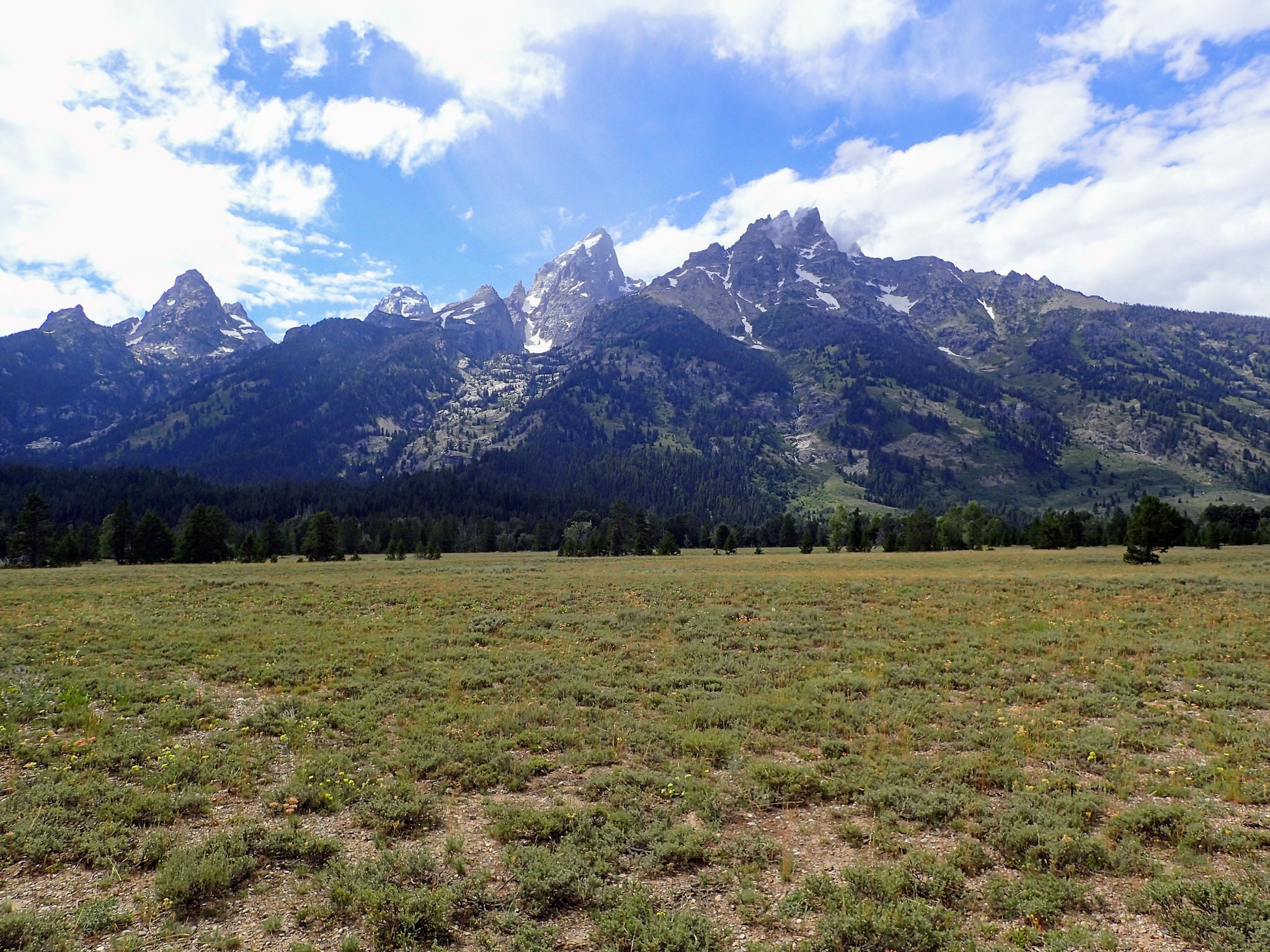
In practice, many people don't spend the extra time they might devote to a destination to truly getting to know that place, anyway. Instead, they might spend much of it cooking a more elaborate meal at the campground, drinking for hours by the campfire, or just reading a random novel in a hammock. Each of these can be a fun way to spend your weekend, but they're often totally devoid of place. After all, you could be doing them just about anywhere, and they add nothing to further experiencing a specific locality. In effect, those travelers have traded time they could have spent seeing something they've traveled great distances to experience for the opportunity to cook bacon and eggs and lounge around camp in the morning.
To me, fast-paced travel is about seeing and experiencing more of the places you do visit, or visiting more places than you otherwise might. It's about considering the opportunity costs at play and deciding in favor of seeing more of the unique places you can't easily otherwise see, rather than spending that time doing something that's routine or commonplace. It's about maximizing your opportunities to experience places, not shortchanging them (as it's often portrayed). What motivates me is that, by traveling fast and efficiently, I can sometimes even add bonus stops to my itinerary, or have extra time for spontaneous or unexpected activities.
"You can't see Yellowstone in a day and a half," she denounced. "Wouldn't you rather just go when you could visit for a whole week instead?"
"No, you certainly can't see it all. But you can sure see a lot of it, and that's vastly better than seeing nothing," I responded. That's always been my philosophy, at least.
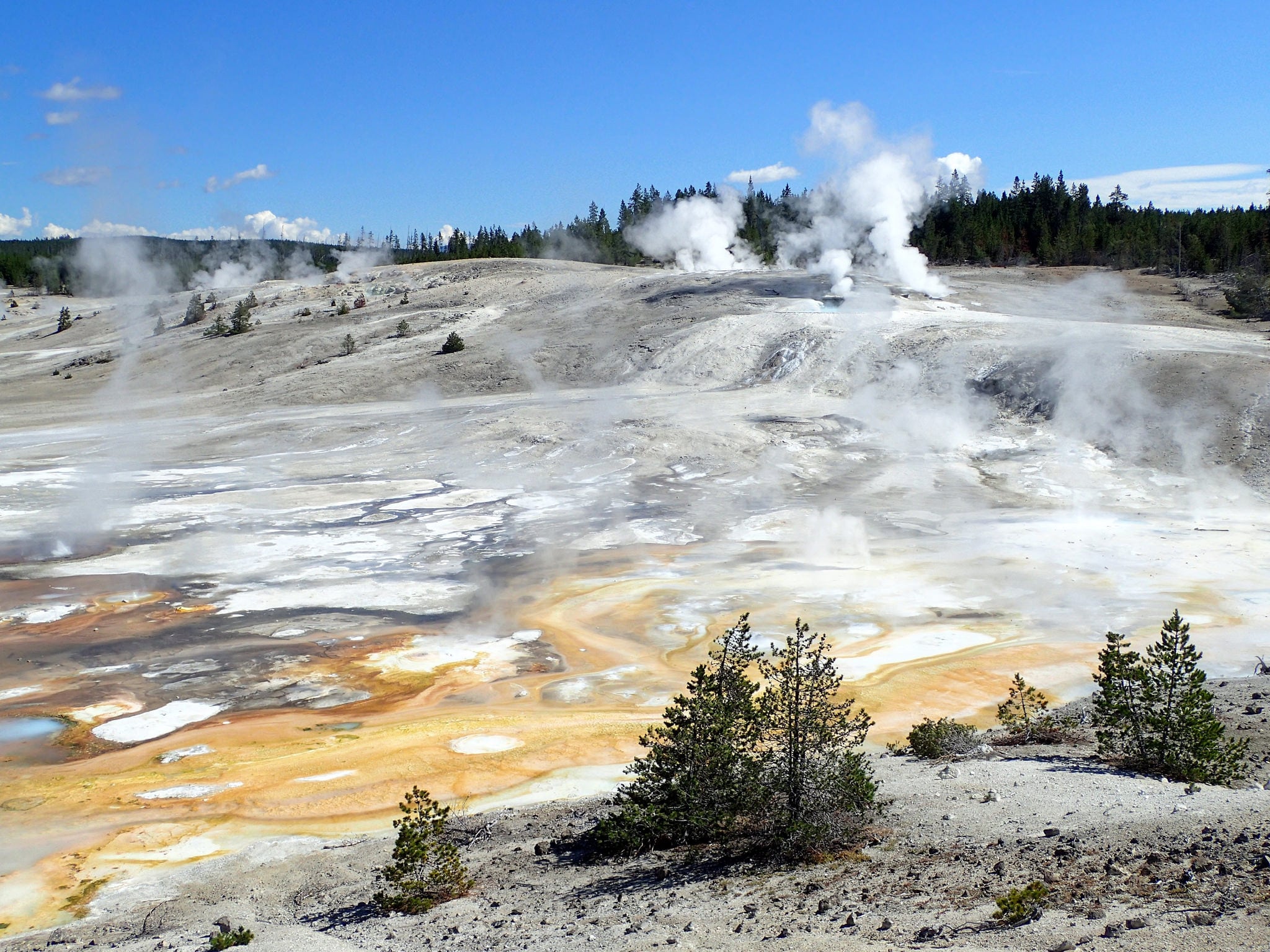
After all, waiting for the ideal trip is often a fool's errand. You may never have such an opportunity. They say there's no "right" time to have a baby. Similarly, there is unlikely to be a perfect time for a specific trip. Perpetually postponing travel for a mythical ideal opportunity in the future usually means that the trip in question simply never happens. Instead of focusing on what you can't accomplish during a short visit, consider what experiences you can have. You'll be surprised at the good time you can have just popping into a national park along your route for an hour or two. At the very least, it might be enjoyable enough to inspire you to prioritize a return visit.
So just go and see what you can, when you can, even if it's not exactly the absolute perfect visit.
What I'm not arguing
That doesn't mean you shouldn't be strategic when scheduling or planning trips. If you can legitimately postpone a visit until a substantially better time—one that's actually likely to happen—then it probably makes sense to do so. I'd much rather visit Death Valley National Park for four days in February than for a single day in July—but only if that February trip was actually something that was likely to happen. After all, an abbreviated trip to the scorching hot park—even in the dead of summer—is better than never getting there at all.
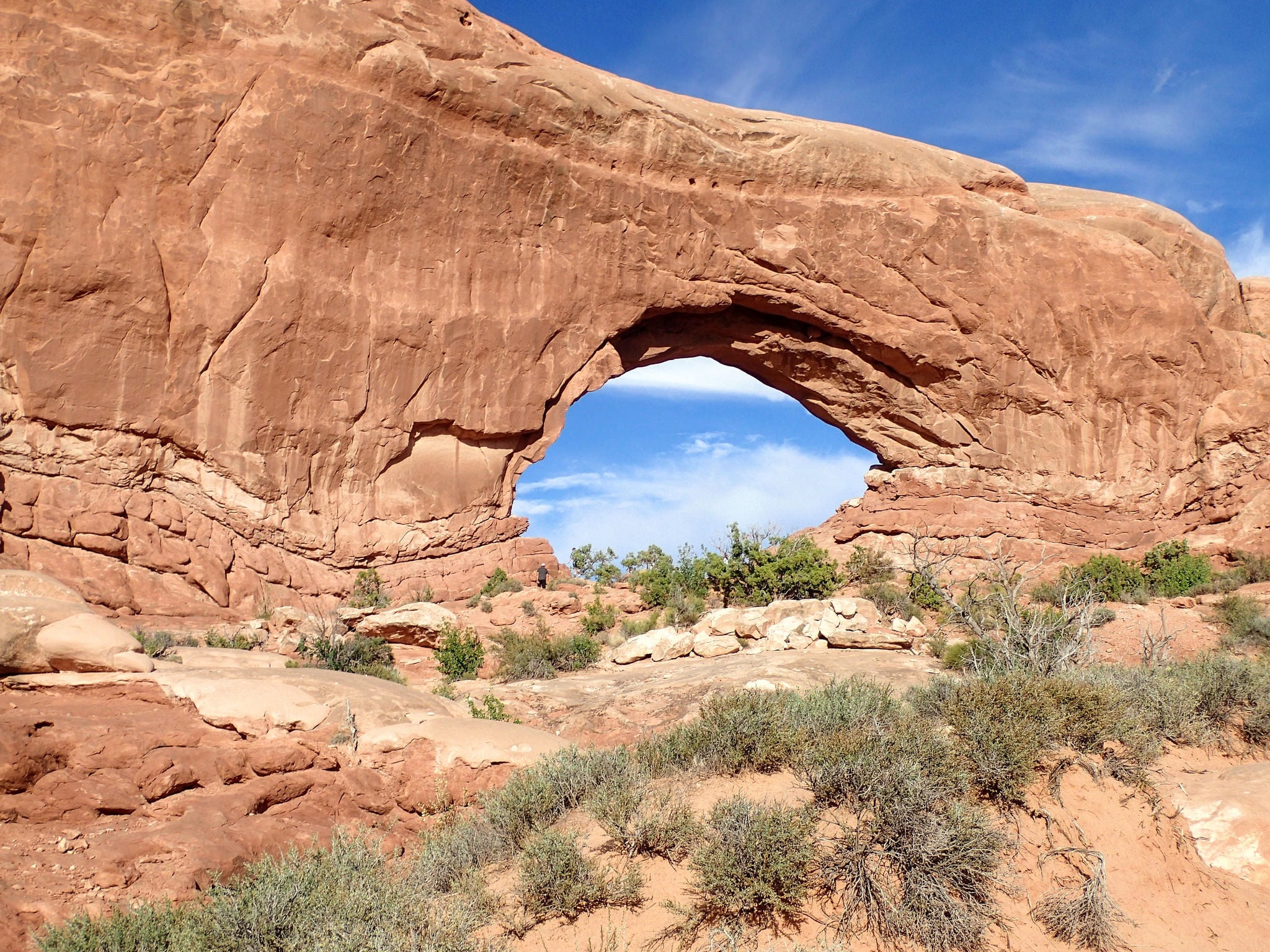
Similarly, if I have three things I absolutely want to see in the Philippines and I'm unlikely to get back there anytime soon, then making sure that I schedule enough time to visit those three things during my trip is entirely appropriate.
I'm also not arguing that you should ensure that your trips feel overly rushed. That's not the point, either. The goal here to increase your travel efficiency so that you can maximize the amount of time you spend seeing stuff you want to see—not simply so you can rush through every possible experience.
That said, I often do employ the 80/20 rule when it comes to my travel activities. That is, the things that bring me 80% of my joy during a trip tend to come from about 20% of the time I spend in various activities. As it becomes more obvious what activities that 20% includes, I strive to do those things more frequently. For instance, if I'm touring yet another historical house from the early 1900s, I might move more quickly through interpretative displays (of concepts I'm already familiar with) in order to spend more time learning about the specific historical figures that lived there. For me, the 80/20 rule helps ensure that I'm spending my time wisely.
Benefits of traveling fast
You get to see more places
This one is the most obvious benefit—and probably the most important one, too. It's pretty simple, really. By not wasting time on inconsequential things, you get to spend more of your time visiting other places. I'll gladly forgo a sit-down meal in favor of a quick sandwich if it means I can add a stop at that petroglyph panel that's not far off our planned route.
You get to see more of each place
Traveling fast isn't just about getting to stop at additional destinations. It's also about making more time for the destinations you're already at. By ensuring that you prioritize the time you spend actively experiencing places, you'll naturally get to spend more more time enjoying each destination.
You'll be better informed for future trips
Even if you don't get to spend as much time as you'd like at a destination, a short visit can often help better inform a return trip. You'll have a better sense of the place, usually have access to additional materials (like maps and brochures) and can often inquire for some recommendations. Quick drop-ins to help scout a destination can really help you plan a better, more complete return trip.
A few tips on how to travel faster
There are a variety of strategies for getting the most out of your trips. Here are some of the ones I most often employ; while many of these are roadtrip-centric, the underlying strategy can be applied to other types of trips, too. Pick and choose which ones might be the most effective for your own travel.
Prepare an itinerary
One of the best reasons to prepare a rough itinerary is so that you don't waste time researching what to do after you've already arrived. Knowing what you're interested in doing before you get there is a great way to save time. Now, that doesn't mean that you can't be spontaneous. Indeed, having prepared a rough itinerary can actually aid in being flexible, as you already know what you'll be giving up or how to reconfigure your trip to allow for this new activity. Best of all, you won't end up standing in a visitor center negotiating with your travel partner what you should do first.
My trip itineraries often include what I like to think of as "bonus" items—destinations or activities that aren't part of my planned itinerary but can be added (or substituted) when appropriate. That allows me to quickly add an additional stop if I'm running ahead of schedule, or to easily shift to a better activity if bad weather thwarts my original plans. Since I try to overestimate how much time I'll need at various destinations, I often find myself adding several additional stops during road trips. It's a great feeling to have extra time to add even more fun stuff than you had originally planned. Keeping track of these places using a custom google map makes the whole process even easier.
Keep things simple
Keeping it simple is often good advice no matter how you're traveling. But it's especially useful when you're trying to reduce wasted time during a trip. You can apply this strategy in a variety of ways. For me, I tend to focus in on food and gear. That means choosing meals that are relatively easy to prepare and require fewer ingredients and cookware. That way, I'm not spending excessive time preparing complex recipes and washing countless dirty dishes.
For me, it also means only bringing gear that I'm actually likely to use, so I don't have to spend extra time managing stuff I never end up using. That doesn't mean that you shouldn't be prepared for possible weather conditions, or that you can't bring a luxury item that you might not get a chance to use but really want anyway. But if you've brought your GoPro on your last five trips and never gotten around to powering it up, maybe it's time to leave it (and its countless accessories) at home.
Prep what you can before the trip
As much as possible, I try to prep food and other gear before I leave my house. For instance, I'll often get future meals prepped ahead of time by chopping any vegetables I'll need, measuring out ingredients, and putting everything together in a ziplock bag. That makes cooking both quick and easy while also limiting the number of dishes I have to clean, too. Similarly, packing your daypack ahead of time for that first hike will save you from pulling apart the car to assemble what you need when you get to the trailhead. Putting together activity-based kits, such as a grab-and-go bag of everything you need to shower at a campground, is also a simple way to prep for your trip. Best of all, once you get these things organized once, it's easy to keep them ready-to-go for future adventures, too.
Stay organized
This item probably goes without saying. The more organized you are, the easier it is to travel quickly. For me, being organized is all about having systems that work for how I travel. It's one of the reasons I love having a camping bin, why I try to pack my vehicle the same way each time, and why I create detailed trip docs with all of the relevant trip information listed on one master google doc. Each of these helps keep me organized, which means I waste less time managing my stuff or figuring out trip logistics while I'm on the trip.
Consider the trade-offs
The most important tip in this post is to consider the trade-offs you unconsciously make during a trip, then to choose the option that lets you maximize the unique experiences you can have while traveling.
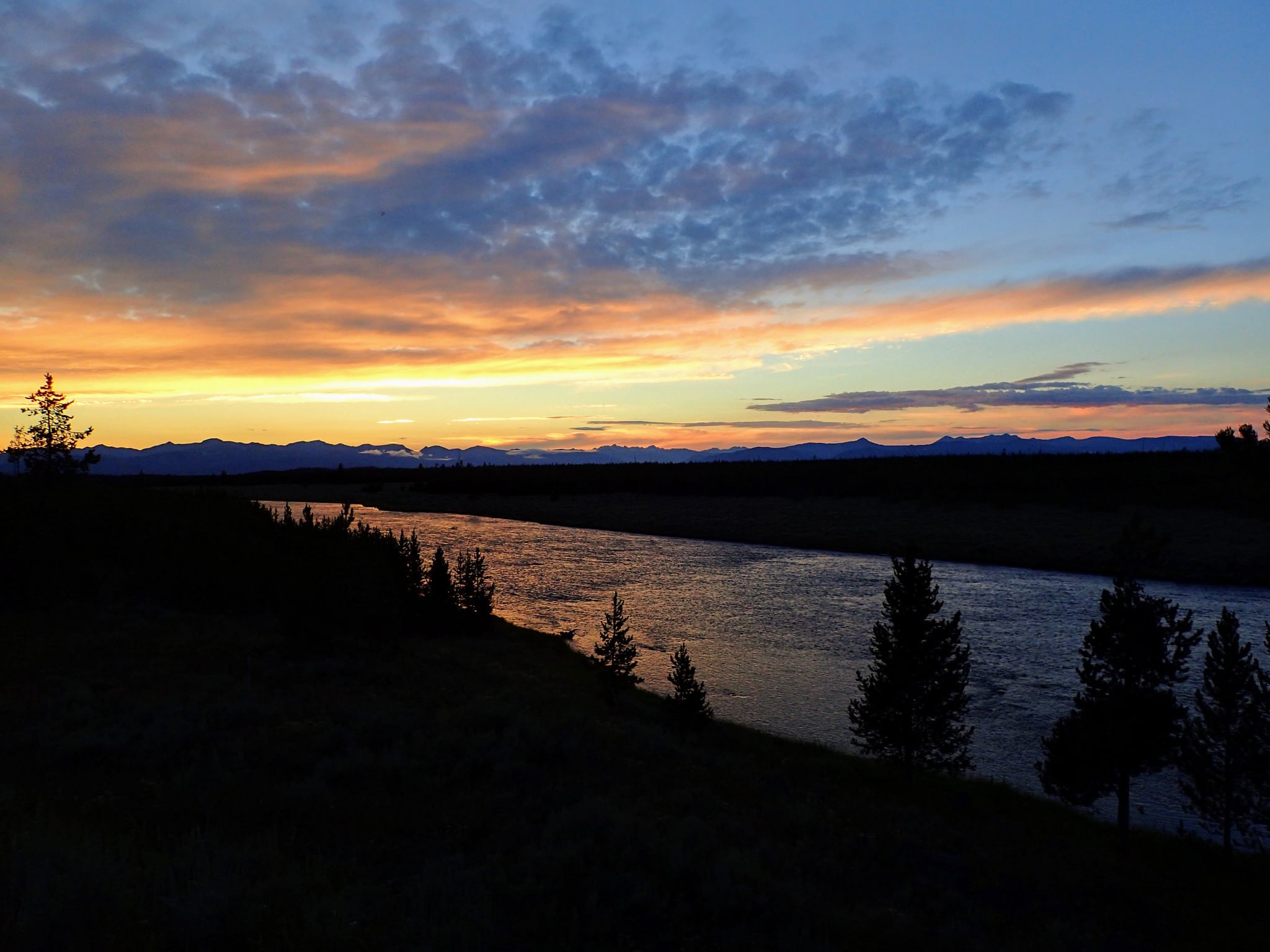
For instance, I recently had only 1.5 days available to spend in Yellowstone National Park during a road trip. Even though my buddy and I had brought plenty of food to cook and were trying to travel cheaply, we opted to eat dinner at the park. By doing so, we were able to spend three additional hours in the park instead of heading back to camp to cook when we got hungry. Having three more hours to visit the geyser basins was worth the extra $9 we spent on food that day. Similarly, instead of spending an hour cooking and eating breakfast and then cleaning up afterwards, we opted to grab a quick fast food breakfast sandwich on the drive instead. Sure, it was less enjoyable of a meal, but we were more than willing to trade that subpar breakfast for some extra time enjoying the geothermal wonders of a park we so rarely get to visit.
Now, the point here isn't to inspire you to order more crappy fast food, but it's to think about what trade-offs you're making and what's most important for you. In our estimation, eating a quick $5 burger and getting an extra hour in the national park easily outweighed enjoying the breakfast we would have cooked for ourselves. Your mileage may vary, of course, but consciously considering these trade-offs is the important thing.
Arrive late, leave early
I'm referring to your accommodations here, not your intended destination. Arriving too early at your campsite or to your hotel room means you've left some valuable time unused. Since I try to soak up every ounce of daylight seeing things that matter to me, campsites or hotels are mainly just places to sleep and shower before I'm off on the next day's adventures. For instance, I couldn't tell you the last time I turned on a hotel room television. Why would I? I arrive well after dark and head to bed quickly, then depart as soon as I'm ready in the morning. I can watch tv any time I want at home, but I can't spend that time enjoying a distant national park.
Set up camp in the dark
I regularly hear people say that, above all, it's important that they set up camp "before it gets dark." I wholeheartedly disagree. Unless you're searching for dispersed camping, setting up camp in the dark is no big deal. Indeed, in nearly every developed campground you'll find, it's a virtually identical endeavor as setting up in the daylight. The only difference is that you've traded precious daylight you could have used adventuring for time spent in what's likely just a run-of-the-mill campground. Today's tents are incredibly easy to set up; you'll do just fine using a headlamp. Spend 10 minutes trying it out at home first and you'll be all set.
Skip time-fillers that you can do anywhere
While I'm traveling, I try to reduce the number of activities I could otherwise do anywhere else, like watching tv or reading a book. If it's not something that is adding a new experience—especially one that I can only have at my destination—then I do my best to skip it. Now, that's not saying that you shouldn't brush your teeth in the morning, or take a shower unless you're doing it under a backcountry waterfall. But if the choice is between watching another Law & Order rerun in your hotel room versus staying out an extra hour to hear the Yellowstone wolves howl, well...I'd choose the latter.
Drive at night
Whenever possible, I schedule the long drives between major destinations for after the sun has set. That way, I'm not wasting daylight in the car just staring down the highway when I could otherwise use it to enjoy a canyon vista or watch some elk graze in the meadow. There are sometimes additional considerations here, especially for areas with high deer populations or for those who struggle with night driving, but the general strategy here is to minimize the amount of useful sightseeing time you spend stuck in a moving car. Obviously, if your intended destination is a scenic drive, well then, schedule accordingly.
Make good use of time in the car
Most trips require substantial time in either the car or in a plane, train or bus. While it's easy to see this solely as "lost" time, there are a variety of ways to help pass the time while improving your trip. You can do this by researching what activities to prioritize at the next stop, researching other nearby destinations you might want to add to your itinerary if time allows, creating shopping or other task lists for your next stop, deciding where you might want to eat dinner, or revising other trip logistics. It's also a great time to complete any tasks that might otherwise subtract from your available time or attention at future destinations, whether that's posting to social media, providing updates to family members, or catching up on critical work emails. It's also a great time to journal or think about what you've seen during the day.
"This all sounds exhausting"
I know, I hear you. And truth be told, sometimes traveling fast is.
Sometimes that's just the trade-off I'll happily make to see and experience as much as I can during a trip—a trip that's rarely as long as I'd like it to be. Traveling fast is all about maximizing the amount of time you have available for seeing new places (or returning to your old favorites) during the limited time most of us have available for travel.
I'm not here to convince you that this is the only way you should travel. It's not even the only way I myself travel. I'm simply arguing that it's a viable approach for many, and one that provides some great experiences that can't easily be duplicated. Even if you're still a bit skeptical about parts of this, I hope you can glean a few tidbits that will enhance your next trip.
Have some additional tips to share? Want to chat about this? Contact me.
We need an America the Beautiful pass for kids
For the ninth or tenth straight year, Kim and I bought an America the Beautiful Pass (or its predecessors, the National Parks Passport and Golden Eagle Passport). For $80 a year, it'll get you and your family into every National Park unit and the other federal land management agency lands for free. Given the fabulous list of places that includes, it's an incredible steal.
Most years, it pays for itself early in a roadtrip. This winter, it only saved us $8. Vicksburg National Military Park, of the 11 total national parks we visited, was the only one1 that charged an entrance fee. Unlike the majority of sites in the West, we've noticed that Southern units rarely charge an entrance fee. Even so, we'll probably break even later this year.
In addition to the regular America the Beautiful pass, there's also an America the Beautiful Senior Pass, an America the Beautiful Access Pass, and an America the Beautiful Volunteer Pass.
The Senior pass, formerly called the Golden Age Passport, is a one-time $10 (now) $803 fee and covers US citizens ages 62 and up. That's quite a deal. The Access pass, formerly called the Golden Access Passport, is an even better deal - it's free for anyone with a permanent disability. Mind you, these passes cover the entrance fee for you (and your family) into any national park for rest of your life. The Volunteer Pass, however, is awarded only after 500 2502 cumulative hours of volunteer work and is good for a single year from that date.
Now, I realize that many seniors and people with disabilities may have limited and/or fixed incomes which make it difficult to enjoy our national treasures. But at the same time, we're not asking for income tax returns at the entrance station—if your drivers license says you're 62, you get a lifetime pass...even if you're Warren Buffett. I understand that getting seniors to the parks is a laudable goal—and that as a voting block, they could be particularly helpful in ensuring adequate park funding.
But I think we're missing the real opportunity here: getting young kids to the parks. Instead (or rather, in addition to) the existing passes, there should be a youth pass. It should be valid until the age of eighteen and function similarly to the senior pass.
We should call it the Golden Eaglet Pass.
Yes, kids under the age of 16 are already admitted for free. But that's misleading. If you're driving to a place like, say, Grand Canyon National Park, you're going to pay $25 $30 a carload whether or not it contains a 12-year old. But if grandpa was asleep in the back seat, you'd get the entire car in for free.
There are already very compelling reasons for why we need to get kids outside more often - whether it's combating obesity, connecting them with the wonder of the natural world, or giving them a chance to learn first-hand about our natural and cultural heritage. We all know and agree that it's important.
We also need them to become lifelong advocates for public lands, helping to ensure that the special places they visited remain for their own children to experience. Providing an incentive for families to make sure that happens is a good idea.
As a final comment, I'd also love to see the volunteer pass dramatically lower its service hours requirement. 500 250 volunteer hours is roughly an entire quarter of full-time work and would be valued at more than $10,000 $5,000. That's a ridiculously high amount of volunteer time for an $80 pass and essentially ensures that only retirees will meet the requirement in a single year (and hell, they can already get a lifetime pass for $80). That total should be dropped to 50 hours or less. After all we should be doing a better job of rewarding those who donate their time, energy and skill to protecting and interpreting our special places that help make this country great.
Note: You can buy any of these passes (well, except for the youth pass I've proposed) at virtually any National Park Service unit that charges a fee, or basically any federal fee area that's staffed. By the way, the unit at which you buy it receives an additional cut of the fee, so keep that in mind. In the past, we've also seen them for sale at REI.
Also, most federal sites have "fee-free days" several weekends a year.
Footnotes:
[back to post] Poverty Point National Monument, while technically a unit of the National Park System, is owned and run by the State of Louisiana and charged its own $2/person entrance fee that's not covered by the pass.
[back to post] The Volunteer Pass requirements have been dropped to 250 hours, which is still far too high.
[back to post] The National Parks Centennial Act passed in early 2017 is raising the price for the Senior Pass from $10 to $80 for the lifetime pass. Still an amazing deal.
