
Best reasons to #OptOutside on public lands this Black Friday
This is a short draft written for #NatureWritingChallenge, a weekly exercise to spend an hour writing about a specific topic about the outdoors, then participating in a twitter chat with the other participants.
This week’s topic is the title of this post; though as it turned out, this post is less about #optoutside on Black Friday specifically and maybe more about choosing a life that opts outside regularly. Either way, I think you’ll get my point.
I’ve intentionally abandoned the frantic crowds of Black Friday since 1999, when I first ran across Adbusters.org’s Buy Nothing Day campaign back in college. I’ve since skipped all the crazy sales on all on the crap I really don’t need, choosing instead to either travel during Thanksgiving weekend, spend the day outside recreating, or attending the biennial Territorial Cup game when it’s played at Sun Devil Stadium.
For me, #optoutside wasn’t a new idea—it was just REI finally promoting what a bunch of us had already been doing. If you haven’t been opting outside on Black Fridays, here’s a short list of why you should change that this year.
1. They’re YOUR public lands
No need to buy a damn thing—you already own them!
And they’re among the most amazing places in the world. Spend as much time as you can enjoying them.
2. Memorable experiences > crap you bought on sale
You probably don’t need that thing, anyway. And your family would probably enjoy something a bit more personal as a gift, too, don’t you think? When you’re old and gray, the last thing you’ll remember or care about is that cheap TV you bought on Black Friday. Instead, you’ll remember the things you did and the experiences you had. That day you brought your niece to that cool waterfall and she played in the pool at its base. Or the great sunset you enjoyed during that scenic drive with your girlfriend.
Products become obsolete and worthless, but a funny thing happens with memories—as time passes, your brain remembers them as being even better than they seemed at the time. Memories gain value over time, so they’re a much better investment.
3. Hyper-consumerism blows
When you focus too intensely on what you own, you forget what’s actually important in life. When your self-worth is derived from what you’ve bought, you rob yourself of the uniqueness that makes you you.
Worse is that you’ll never gain any lasting satisfaction by buying stuff. You might get a temporary bump in satisfaction, but there will always be something “better” that comes out that you’ll need to buy to feel the same level of personal worthiness. That’s an awful treadmill to climb onto.
4. The outdoors is good for you
You probably already know this. Yes, you get some exercise. Yes, it’s far better than sitting on the couch or endlessly scrolling through facebook. And yes, it’ll also help you relax and reduce stress.
But beyond those things, it’s also great for deepening relationships. For being present in the moment. Or for new experiences. For contemplation. Or finding common ground. For sharing new places with people you love. Or making new friends.
Basically, for all the things your soul craves.
5. Minimalism & intentionality are sexy
The four most important things you own are your time, your attention, your attitude, and your health. Those four things are the currency of life.
All the stuff you own requires you to spend that currency—you spend your time to make money to buy the stuff, then do the same again to pay to store it somewhere, and then it requires more of your time and attention to manage and use it. We don’t think about it very often, but the cost for our stuff can be a lot higher than you’d expect.
I’m not saying you shouldn’t buy anything, ever—I’m just saying that you should carefully and deliberately consider what things you decide to own. Maybe you don’t need a need new 4k TV because you’d rather save that money to travel, or maybe you don’t need to spend as much of your limited time consuming content from it.
The point here isn’t to shame you into a life of owning nothing or to be overly preachy. It’s just to have the conversation with yourself about what you really want and what things should earn your attention. Being intentional and deliberate with your life helps ensure that you’re living the life you actually want, as opposed to the one that so many people seem to just default their way into.
Being present and intentional in life? Well, that’s sexy af.
Not convinced?
Well then, fuck it—just #optoutside for the ‘Gram instead.
How I camp in my car during road trips
The plan was simple. With my girlfriend vacationing overseas with family, I'd hit the road and visit some places scattered around the West that I needed to mark off of my various travel quests. And along the way, I'd also visit some online friends near Las Vegas, Boise, Northern California, and Carson City. The trip would require quite a bit of driving—I guesstimated roughly 3,500 miles—and I needed to squeeze it into a short 10-day window to make it work.

And as a trip we hadn't exactly budgeted for, I'd also need to keep expenses to a minimum. So that meant two things: I'd have to be very efficient in my travel days, and I'd basically need to use my vehicle like an RV.
I have done a number of fly-and-camp trips before, but for this trip, I wouldn't be camping as much as living in my vehicle. Being able to sleep in Sam the Subie instead of having to set up a tent would give me the most flexibility in where I stayed each night. That was an important cost-saver, as it allowed me to avoid hotels and campground fees and either disperse camp on public lands, stay in a friend's driveway, or even catch some sleep in a rest area or parking lot. And since I wasn't sure how the weather would turn out, it'd also ensure that I had a warm place to sleep for the night—one where I could avoid the unrelenting wind I encountered the entire trip.
The video below will show you the main items I brought and where I kept them in the vehicle. Since I was driving my own vehicle, I could bring a few optional items I normally wouldn't bring on a fly-and-camp trip—most notably, a large foam mattress topper and a full-sized cooler. I also brought a hefty amount of food and snacks, as evidenced by the huge black tote bin.
The setup I used here worked great on my trip. While the video explains quite a bit, I'll go into more detail below on some additional topics.
What to bring and where to put it
When I'm traveling on a road trip like this, I prefer to keep my setup as simple and organized as possible throughout the trip. That means thinking about where everything goes before I hit the road, making sure that the things I'll need to access—either while I'm traveling or when I'm in bed—are easily accessible. That's why I try to keep everything in a container. So food and snacks go into one bin, and the cooking stuff goes into another. That makes it much easier to stay organized. The main exception to this is my clothes. I prefer to have clothes stored in batches so that it's easier to pick out what I need without having to struggle to extract an entire duffel bag.
Keeping it simple and organized also means bringing a bit less and fewer "maybe I'll need this" sort of items.. The fewer items you bring, the fewer things you'll have to manage during your trip. In this case, I brought two things that I definitely didn't end up needing: my backpacking chair and my multi-use camping bucket. Both items were small and didn't clutter things up, so I tossed them in even though I wasn't sure if I'd use them. And, like just about every time, I was right. Because I didn't spend any time at an actual campsite, I never made a campfire—and therefore, I never needed the chair. When I ate, I simply sat in the backseat or at a picnic table. And I assumed that the bucket would come in handy for things like washing up and doing dishes. I really didn't need to do much of those tasks either, given the more frequent showers I snagged and how few dishes I dirtied.
Food and cooking
In order to save money, I planned on snacking for breakfast and lunch, and then cooking a simple dinner like soup, chili, or a grilled cheese sandwich. I also assumed that I'd occasionally get some cheap fast food, especially if I was tired and still had a long drive before bed. And I also hoped that I'd try a handful of breweries along the way when time permitted.
As it turned out, I spent quite a bit more time hanging out with friends during the trip than I had anticipated, including joining them for some home-cooked meals. And since I managed to add in a number of additional destinations, I would often arrive to my intended campsite pretty late, opting to snack instead of cook in what were often some rather fierce winds.
In the end, I managed to stay within budget, even though I cooked far less than I originally intended. And I also managed to sneak in stops at nine craft breweries, too.

The not-cooking strategy
But just because my plan this trip was to cook doesn't mean yours has to be. While one of the biggest benefits of camping is saving money on hotels and eating out, that doesn't mean that you have to cook every time you camp on a road trip. In fact, sometimes you camp just so that you can afford that fun night out on the town, as I did when I brewery-hopped around Boise halfway through my trip. And you can still save a lot of money by sleeping in your car while eating most of your meals out. Indeed, that reduces quite a bit of the gear you need to bring—though I still recommend bringing a cooler for cold beverages and plenty of snacks for the road.
Finding places to camp
Aside from one night at a friend's house, I didn't preplan where I'd sleep each night. But because most of my primary destinations were BLM Conservation Lands areas, I knew that I'd have quite a few dispersed camping opportunities. I also knew that there were a number of developed campgrounds around that would likely have space if I needed them. And because I was sleeping in my car, I could also get some shut-eye at a rest area, truck stop, or even a Wal-Mart parking lot if I absolutely needed to.

The first night I ended up stopping at a rest area right along the Pony Express Trail in northern Nevada to use the restroom. Since I kinda wanted to check out the trail the next morning and was already tired, I decided that I might as well sleep there. But boy, for being such a remote place, it sure was a busy rest area—and given the layout of the parking lot, it was hard to block out all of the rest area lights and approaching headlights.
After about an hour, I decided to find another spot. I hopped on Google Maps, turned on satellite view, and took a look around the area. It took just a handful of seconds to find a better spot about a quarter mile away, and probably about 90 seconds to drive there. It's a whole lot easier to move your campsite to a better location when you don't have to pack up a tent. Once I relocated, I slept great under the dark and quiet sky. When you're traveling in the West, there's often a good campsite not too far away—especially during the shoulder season.
There are a number of apps and websites you can use to locate possible places to camp. When looking for dispersed camping sites, I usually start by scouring a state atlas or gazetteer, then when I've narrowed down my target area, I switch to Google Maps satellite view and zoom in to identify specific sites that might work. In addition, I also regularly consult FreeCampsites.net, Campendium, Boondocking.org, and the iOverlander app for sites that others have already identified. When I'm looking for developed campgrounds, I check recreation.gov, Reserve America, or just google "campgrounds in my area," though those search results tend to include RV parks. Allstays is a highly rated app you might also want to check out.
Driving versus sleeping mode
While most of my stuff stays in the same spot throughout my trip, I do move a few items when I shift to sleep mode. When I'm driving, I like having the passenger seat free for things like maps, a snack I've pulled out of my food bin, or any other items I might need quick access to. But when I get to my destination for the night, I move any items that had occupied the rear seat (usually my food bin and my computer backpack) up to the passenger seat. This gives me a completely empty rear seat right next to my bed.
An empty rear seat
Having this rear seat available is great. Once I get the car set up for the night, this tends to be where I spend my time before I lay down to sleep. I can easily change clothes, watch a movie on my tablet, put on my shoes, snack or eat dinner, work on my laptop, scour maps while I revise the next day's itinerary, and so forth—all while escaping the elements and not drawing any attention to the vehicle. Importantly, it's also the easiest way to get in and out of bed, something you'll want to consider if your vehicle doesn't have an easy way to open the rear gate from the interior. I just climb up onto the bed and swing my legs around. When I'm sleeping, the seat conveniently converts into a handy bedside table where I place my glasses, headlamp, and phone for quick retrieval in the middle of the night.
Parking for the night
When I park for the night, the first thing I do is decide on how I want to position the vehicle. The primary considerations here are blocking any annoying lights, and pointing into the wind. If there's any annoying light, I try to point the car towards it so that the sunshade I put in my front window blocks it from shining into the rest of the car. If it's windy, I often position the car into the wind, which cuts down on the vehicle shaking or the windows whistling.

Once I have the vehicle pointed the right direction, I put on the emergency brake to limit any rocking when I'm moving around in the vehicle. I transfer the items from the rear seat to the front seat and get my bed ready.
I then put on the mesh window coverings, always covering both of the rear windows. These are the perfect solution to keeping annoying bugs out, but they also help shield bright lights and even light rain. If it's hot out or I'm worried about it raining, I'll add them to the front windows too. I then roll down the windows to the desired level. If it's cold out, that might just be an inch or two for both of the rear windows. If it's hot and I want a lot more airflow, then I'll roll all four windows all the way down. This is something you can play around with, but you'll want to keep at least one window cracked during the night.
I usually keep the car keys easily accessible on my center console and lock the doors when I'm ready for bed. I like to keep the drivers seat completely clear so I can quickly hop in and move the car quickly if I need to. When I'm camping in my own car, I always bring a full size pillow and also a cheap fleece blanket to cover my face in the night if the breeze is cold or to block out any unexpected light, like a bright moon moving across the night sky.
The entire process of shifting from driving to sleeping mode takes less than two minutes—much quicker than setting up a tent. When I wake up in the morning, I get dressed and shift it back before hitting the road again.
Toilets and showers
Probably the most popular question I get about these types of road trips is how and/or where I use the restroom and shower. For the most part, the answer is pretty easy. Except in some pretty remote areas, there's nearly always a restroom available somewhere—whether at a rest area, gas station, fast food restaurant, or even a campground or wilderness trailhead. In the event that's not the case, I have a trowel and toilet paper. If you want something a bit more convenient, there are a number of other options, including luggable loo and other portable toilets, female urination devices, and so forth—though none of these really works inside the vehicle.

As for showers, I knew that I'd be staying with a friend about halfway through the trip, so I was guaranteed at least one shower. Beyond that, I knew I could either pop into a truck stop or developed campground and pay for one, so I came prepared with my normal public shower kit (sandals, quick dry towels, shampoo/body soap, and a plastic bag to keep my stuff dry). But in a pinch, I could also rig up something shower-like on top of my car if it was warm enough out, or make sure to get to the hot springs on my itinerary, or just make due with a "backpackers shower," also known as a wet wipes bath. I could have brought my camp shower, but it just didn't seem like I'd need it. There are a lot of other showering solutions available out there, but I'll wait to tackle those in a future post.
In the end, I got a bit lucky on the trip and ended up having access to a shower at each place where I visited an online friend. And because we ended up having a meal together, I also ended up cooking far less than I had expected. It's great when things like this happen—but on trips like these, I always try to be self-contained as possible.
Sleeping in a rental car
Not taking your own vehicle on a road trip? Don't worry, you can pull off much of this in a rental car, too. Because not all vehicles have seats that fold flat, however, you'll have to manage to snag a vehicle that does. I've had the best luck with full size SUVs and minivans with stow-and-go seating. Either way, don't drive off the lot until you have one that will work for you.
Here's a video of what I brought when I camped in a rental car a few years back. The video quality isn't great, but it's still useful in understanding what items I brought with me.
You should also check out my extensive post on travel camping, which outlines which camping items I bring when I "fly-and-camp."
Some other tips
- You don't need a mattress set up as stupidly comfy as mine. Most of the time I sleep in my vehicle, I just use a simple backpacking sleeping pad.
- Not all Wal-Marts allow overnight parking. Here's a listing of recent reports.
- Passing by a national park unit on your trip? Remember that many of the visitor center restrooms stay open all night.
- I use a pool noodle slice to cover up the hook that the rear seat attaches to. Trust me, this is preferable to bashing your hip against it when you shift in your sleep.

- Headlamps fit great on the back of headrests.
- If you don't want to wake up at sunrise, consider where the sun will be rising. I use the Peak Finder app to determine this, but you can also just make an educated guess. Same with a full moon, which can seem incredibly bright when you're trying to sleep.
- Have a membership to a national gym chain? Well, that's a great place to grab a shower while traveling.
- Too hot? Too cold? You can always turn on the vehicle for awhile to cool off or warm up.
- I like bringing a small pack towel in with me when I stop at public restrooms so I can dry off after rinsing my face when there are just hand dryers available.
- Not a great sleeper? Bring some ear plugs to help drown out weird noises. You can also bring a sleep mask to help shield bright lights from other campsites, vehicles, or lampposts.
- If you want to add some additional privacy or black-out those weirdly shaped rear windows, try using some reflectix and trim it to fit. If you're planning on stealth camping, spray mount some black fabric to one or both of the sides. These also work great for insulting the vehicle and you can store them flat under your mattress when not in use.
- These headrest hooks are quite handy. I use these frequently throughout the day when I'm on the road, and later at night, I hang a water bottle from one attached to the drivers headrest so I can easily find it when I'm in bed.
- Don't forget these important tips on making ice last longer in your cooler.
The true story about how 'haboob' dust storms are created
It involves three of my favorite 'S' words—Sun, Supes, and...Sparky!
#GoDevils #ForksUp #StompTheBus
Credit the amazing True Story Films for putting this together.

What I wish I knew before starting my national parks quest
Travel quests are among the most powerful ways to get yourself out more. My personal national parks quest—visiting all 417 national park units in the country—has been the driving force for the vast majority of my own travel. And it's been one of the most impactful endeavors in my life. I firmly believe that if you not already questing, you're missing out.
But there are a few lessons I wish I had known before I started. Here are six of them.
Be clear on what the quest entails
When I first started my national parks quest, my goal wasn't to visit every national park unit, as it is now. When the idea first occurred to me, I limited it to just the so-called "named" National Parks. That is, the ones that end in the iconic words "National Park." Well, I quickly realized that this is an arbitrary delineation. There are some astounding places that happen to be named "national monuments" or something else, often simply due to the happenstance of history. Indeed, many of the named national parks were first protected as national monuments. So the designation—especially after its been watered down with recent additions such as Gateway Arch—carries much less importance than commonly understood.
As a result, I ended up extending the quest to include national monuments. And then a year later, I extended it to all of the national park units. Well, all of them except national recreation areas, actually. I'm not a big fan of dammed rivers, so it seemed like national recreation areas shouldn't be part of my quest. And, as a result, I swifted bypassed those areas, failing to stop even when I was driving right by them.
I finally came to my senses and decided I might as well hit all of the National Park units, no matter what their designation. After all, by law, the National Park Service must treat them all equally, and they're all considered "national parks" even if their official names don't end in the words "National Parks." Unfortunately, that meant that I needed to do things like travel back to Montana to hit the lone park unit (a national recreation area) that I had skipped because I wasn't clear on what the places were included in the quest.
Don't make this same mistake—decide early on what the quest actually entails.
Think ahead and don't "orphan" any units
The park unit in Montana that I had bypassed was named Bighorn Canyon National Recreation Area. And it's a 17 hour and 48 minute drive from my home in Phoenix. That's a long drive for a park unit I should have marked off thirteen years earlier when I drove right past it. And so, of course, I eventually had to drive that entire way just to mark off this one lonely park.
My advice is to avoid ending up with a Bighorn Canyon of your own—an orphaned unit far away that you can't easily complete with other units as part of a larger trip.
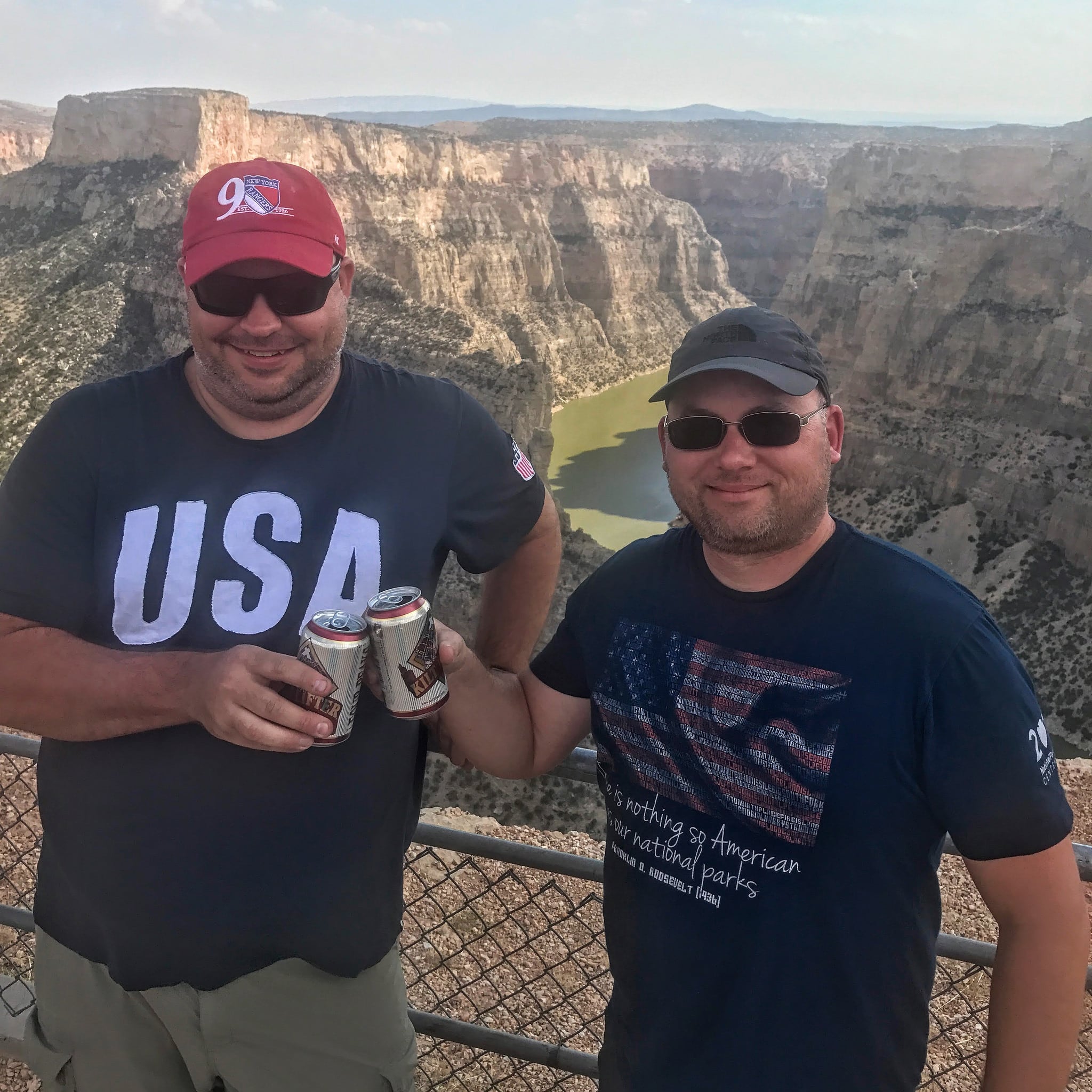
That means when you're planning your national park trips, you should strategize about how you'll mark off the other units in the area you're traveling to. Sometimes you'll realize that it makes sense to alter the trip to favor a further-flung park unit over a closer one, simply because it will be easier to get it done now than to orphan it later. Some of this is guesswork, and your plans may change in the future, but it's important to have a strategy nonetheless.
Leave enough time to be amazed
Sometimes, you won't expect much from a park unit, but after arriving, you just fall in love with it. Sometimes, it's the unit itself—an incredibly moving visitor center, for instance. Other times, it might be an unexpected wildlife encounter. Or maybe even some weather, like a low cloud that poured into the battlefield, totally changing the character of your experience.
If you're on a quest, you'll likely be traveling fast. But that doesn't mean you shouldn't plan some flexibility into the trip to allow you to enjoy these pleasant surprises. I tend to purposefully overestimate how long I'll need for smaller sites, which means that I'm routinely "ahead of schedule" during my trips. This helps offer a bit of a buffer for those times when I end up spending much more time at a place than I had anticipated.
Start a tradition—or several
One of the most fun aspects of a large quest is having a tradition. Or rather, several traditions. It's particularly gratifying when you're far into your quest and you have a consistent collection of photos or souvenirs from each of your destinations.
One of my favorite traditions is holding up a number indicating how many parks I've been to at each new park unit I visit. Unfortunately, I didn't consider doing this until I had already been to 267 of them. So while I'm nearly up to unit 400 by now, I'm still missing 2/3rds of the shots I would have had—had I simply considered what type of traditions I should create when I first started the quest. Now maybe the idea wouldn't have come to me at the time, but I really wish I had at least spent 10 minutes proactively thinking about it before I got started.
Here are some common national park traditions:
- Photo of the park entrance sign
- Getting a park passport stamp
- Watching the park movie
- Completing a Junior Ranger program
- Photo of a park's Mather plaque
- Attending a ranger program
- Photo of a traveling "tchotchke"
- Taking a selfie with a park ranger
- Mailing themselves a postcard from the park
Collect something from each park
Similar to creating special park traditions, many park questers begin collecting certain items from each park. Maybe it's a magnet, or a pin, or a patch. Or maybe it's a postcard with a park passport stamp on the back. Others might pick out a book, or a little trinket. And just about everyone takes home an iconic "unigrid" park brochure.

These can make for great displays memorializing your adventures in the parks. But again, my advice is to think carefully about what you want to collect before you start off on your national parks quest. When I first started out, I thought it'd be great to collect patches. And so I collected scores upon scores of them. Until, that is, I realized that it was going to be hard to ever display them in a useful way. Was I going to spend $5 on a parks patch, and do so hundreds of times over, just to have them sit in a shoebox? Because I have more than hundred that have been just sitting there ever since. Had I thought it through a bit more, I likely would have opted for something else to collect. In the end, I switched over to pins, which I have in two large display cases on my hallway wall.
I shouldn't have to say this, but your collection shouldn't include any park resources—leave those at the park. Yes, that includes things like pine cones, small rocks, or any other items you didn't buy at the park bookstore or receive from a park ranger.
Keep track of the personal stories, not the park facts
Lastly, I'd recommend that if you do end up documenting your national park adventures—whether that's in a journal entry, a blog post, or even a video—that you don't just focus on park facts. A decade into your quest, you won't care about that stuff, which is just a quick google search away if you need it. You probably don't need to transcribe what type of sandstone that arch is made of. You don't need to remember how old John F. Kennedy was when he moved away from his childhood home. The number of Japanese Americans interned at Manzanar NHS isn't what you'll wish you recorded in your journal, or had committed to memory.
Instead, focus on how you felt while you were in the park. What had you been most excited about before arriving, and what surprised you about the place once you got there? Did something you learn change the way you think about something else? What was it like to emerge from that dense forest onto the shore of that backcountry lake? How did it feel to stare at John Muir's personal desk? What did you imagine when you read the stories of immigrants at Ellis Island? Who did you wish was with you to experience that sunrise on Cadillac Mountain? What memory did the smell of the creosote in Saguaro National Park immediately conjure up? How did you feel when you arrived home after the trip?
Those are the types of items to journal or blog about when you reflect on your latest national park visit. Trust me—those are the details that you'll most appreciate looking back on decades from now.
Don't have a travel quest yet?
You should. You'll love it. And I promise you that it'll be worthwhile. Read my guide to questing to get started.
If you love quests, or are thinking of getting started, check out #GoQuesting.
How to keep track of your hikes using Google Forms
There are dozens of ways to keep track of your hikes, from relying on your gps track history to simply writing it down in a trusty notebook. Each method has its own benefits and downsides.
I used to keep track of my hikes by writing the date and the names of my hiking companions at the bottom of the page in whichever hiking guidebook I was using. It worked well enough back in the 1990s, when guidebooks and magazines were the primary sources of trail information. But now that trail databases have migrated to the internet, that old system is only occasionally applicable. I've also run out of room on the pages of my favorite local trails that I hike frequently, or upgraded to newer editions and abandoned my old notes.
I now keep track of my hikes by creating a simple Google Form that I've bookmarked on my phone. It's free, easy to set up, and you can customize it to track whatever information you want. Best of all, it's always right there in your pocket when you need it, and the data is easy to use and store well into the future.
Why keep track of your hikes
If you're just a casual just-once-in-a-blue-moon hiker, then it probably doesn't matter if you track your hikes or not. But if you hike more regularly than that, I'd recommend you start doing it. This is especially true if you have a personal hiking goal like the #52HikeChallenge. It's a quick little habit to start that you might really appreciate having access to later.
In addition to keeping track of your personal goals, a hiking log can make it easier to figure out which trails you've already hiked and with whom, including any special or noteworthy details that you won't find in guidebooks or online trail descriptions. I particularly like keeping notes on memorable things that happened during the hike, such as stumbling across some pottery sherds, or an interesting animal encounter, or what day the wildflowers started to bloom that year. Since you customize exactly what you keep track of it, you can also include whatever tidbits you don't want to forget.
Hiking logs also serve as a helpful historical record of your hiking accomplishments. They can be used to calculate and analyze statistics such as how many miles you've hiked this year, how many times your pooch joined you on the trail, or how much faster you hike that local quad-burning trail now that you've gotten into better shape.
Tracking hikes for the #52HikeChallenge
The 52 Hike Challenge is a great idea, but their tracking spreadsheet isn't the easiest to use on a phone. As a fellow challenge hiker, I find that a simple Google Form makes entering my hike each week much, much easier. Even better, I get to capture more than what the 52 Hike Challenge tracking spreadsheet does, which makes the log that much more useful to me.
Benefits of using Google Forms
There are a variety of mobile apps out there that you could use to track your hikes—many of which include useful features like GPS tracks and trail maps. But as new apps are released, feature sets shift, or subscription fees change, many hikers find themselves switching between apps or using them for only a subset of the trails they hike. For instance, I'll rarely fire up Gaia GPS for a local hike in the nearby Phoenix Mountains Preserve, as I know exactly where I am at all times. On the flipside, I probably won't use a GPS app on my phone to track a long day hike in the Superstition Wilderness due to concerns about my phone's battery life. Another problem lies in trying to export your data from many of these apps; it's not always an easy task.
The end result is a mishmash of hiking data siloed in multiple apps, or missing entirely. But with your own custom Google Form, you can solve many of these issues by simply logging your data in the form after each hike, no matter which GPS app you might use to track your route. Or, if you didn't use one but know the basic details of the hike you completed (such as the distance and elevation gain), it's easy to enter that data later—something that's impossible to do with many of the leading hiking apps. Sometimes, simple is just plain better.
Best of all, it's free and all you need to get started is a browser and a google account. And since it dumps the data into a basic spreadsheet, it's rather easy to analyze the data. That allows you to do things like quickly total up your cumulative hiking miles for the year, figure out how many feet of elevation you climbed, or total up how many different trails you hiked during the year. And depending on which fields you include, you could also analyze all sorts of other interesting tidbits, as well. Since it's all contained in a simple spreadsheet, that data is easily transportable too, so you don't have to worry about future software incompatibility.
Which fields to include
You have a lot of options here, so spend a few minutes to decide what items you'd like to keep track of. If you're on the fence about something, my recommendation is to include it on the form and make sure it's not a required answer. If you later decide to stop logging data for that item, you can simply ignore or delete that field when you review the spreadsheet later.
Here are some possible options of data to collect—you'll need to decide for yourself which ones to include.
- Date of your hike
- Name of the trail(s) you used
- Mileage hiked
- Elevation gain
- Duration (how long did it take you to hike?)
- With whom did you hike?
- Was this an organized group hike? (you can even use a drop-down menu for your common hiking groups)
- Did you lead this hike?
- Did your dog(s) join you?
- Did you record a GPS track?
- Link to the GPS track
- Your personal rating of the hike (use the linear scale field type; keep in mind that you can create multiple rating questions, each on a different aspect of the hike, if you'd like to get detailed)
- How tired you were hiking the trail (or maybe how many times you had to stop to take a breather)
- Links to photos
- Links to blog post
- Wildlife encountered
- Type of trail (e.g., out-and-back, loop, lollipop, etc)
- Location type (such as national park, wilderness area, state park, or city preserve)
- Where to find hike details (guidebook, link to website, etc)
- Rating on the "Fun Scale"
- Notes (capture any other details in this section)
How to use it on your phone
As I mentioned in the screencast, I strongly recommend that you add the form as a shortcut to your phone's home screen. A hiking log is only as good as the data you enter, so you want it easily accessible so you can get to it whenever you remember to log your hike.
The first step is to get the link to your phone's browser. There are a number of ways to do this, such emailing it to yourself, typing into your mobile browser manually, or using a universal clipboard. Once you have the link on your phone, it's a breeze to add the shortcut.
Keep track of other types of adventures
You don't have to use this solely for tracking your hikes—you can create forms to track any of your other adventures or outings, too. It wouldn't be hard to create separate forms to track things like how many nights you camped, what trails you mountain biked, or what lakes or rivers you paddled. I've even used google forms to get track of hikes I want to do, or at least to add to my adventure map.
Get started!
Be sure to check out the screencast above to learn how to design your hiking log. Then hop on over to forms.google.com to get started, and let us know in the comments if you have any other suggested uses or fields that others might want to copy.
Backcountry badassery, or an immersive experience?
I squinted at my finger, trying to make out what it was made of. I saw clear, tan, red, gray...maybe some orange in there, too. I pushed my glasses up onto my forehead, training my finger ever closer to my eyeball.
Whoa.
It wasn't the most extraordinary experience one could have in the outdoors. It was simply an interesting little pebble I had found during a leisurely, 90 minute lunch break during my hike. But it was still cool, worthy of a few moments of my attention for the smile it put on my face.
There's something to be said for maximizing your travel time, hyper-efficiently filling every available moment with new places to experience. Seeing as much as you can during the limited time you're free to explore. I love doing that—it's how I've managed to explore so much of the country, after all.
But it's also hard to compete with the slow, methodically-immersive experience you get while backpacking. Not ultralight backpacking, or fastpacking, or ultra trail running, or whatever the current craze to cover as much trail as humanly possible is being called.
No, I mean the simple and timeless endeavor of walking—slowly—through the wilderness. Of roaming, exploring, investigating. Of making progress towards camp, but not always in a straight path or as the guidebook presumes. Of being attuned to the subtle shift of the wind, the first cricket chirp of coming night, or how that long shadow lays gently across the cliff face.
No tracking one's time. No calculating one's average mileage per hour. No worrying about whether you'll make your next split. Just being present, capturing the moments we have in the wild, far from the daily routines our mostly urban lives entail. Just enjoying the journey, no matter how far or how short it takes you.
Many of my outdoor friends spend their days training to either lower their summit time or to extend their daily mileage. I get it, there's a certain human competitiveness that pushes us to challenge our physical capabilities...to affirm that we're still alive, that we're strong, that we're an impressive specimen of the species. Or simply that we can achieve something astounding.
Instead, I'm more interested these days in training myself to slow down when I'm outdoors. To strive to experience more—not because I cover more ground, but because I notice more and miss less. The way that bee drunkenly surveys the flower bush. The warmth of the rock as it radiates back the afternoon sun. The way the creek ripples around those rocks.
Call it a walking meditation. Call it an interrogation of the landscape. Or call it an esoteric interest in the wonder of our protected lands. Either way, it can be an incredible way of enjoying the outdoors.
Seeing the Grand Canyon—as fast as possible
The big hike many Arizonans strive to complete is the veritable rim-to-rim trek across the Grand Canyon, often abbreviated as R2R. Most people take a couple of days to do the trip, camping overnight at the bottom before heading back up the following morning. Once you graduate from that, the goal often becomes doing those 21 miles in a single day, something the National Park Service recommends against. Remarkably, the current R2R record holder did it in less than 160 minutes, which is a few minutes longer than Star Wars Episode I, but likely less grueling.
But R2R in a day isn't enough anymore; many now seek to complete rim-to-rim-to-rim (R2R2R, or R^3). It's an impressive feat, one that involves more trail running than hiking. The current record stands at an astonishing 5 hours, 55 minutes, 20 seconds, which is absolutely mind blowing when you consider that it involves covering 42 miles and 22,600 ft of elevation change.
While these are fastest known time records by committed athletes and not indicative of the times most people achieve, keep in mind that many, many people are both attempting and completing these types of trips. So many, in fact, that it's become a problem for the park managers. It's also a vastly different experience than the more traditional two-day trip.
How I saw the Grand Canyon on my own R2R trip
Several years ago, I decided to finally do R2R—the quintessential Arizona backpacking trip I had never quite gotten around to doing. But my itinerary looked remarkably different than what others were doing, especially the trail runners that I shared the R2R shuttle bus with. Here's the kind of trip I planned instead:
- Day 1: drive to the South Rim, drop off car, take shuttle to North Rim, camp.
- Day 2: hike North Kaibab Trail to Cottonwood Campground
- Day 3: hike from Cottonwood Campground to Bright Angel Campground
- Day 4: free day for exploring
- Day 5: hike from Bright Angel to Indian Garden Campground
- Day 6: hike from Indian Garden to South Rim, shower, drive home
Yep, I took 6 days to drive 4 hours to the Grand Canyon, hike 21 miles across it, and drive home.
And let me tell you, it was AWESOME. I got to spend almost a week enjoying one of the most iconic landscapes on Earth.
I got to lounge in my tent and watch the morning light pierce the horizon. I took time to just gaze into the distance, pondering those existential questions that often spring forth when you're surrounded by something so much bigger and timeless than humanity. I scanned ancient rock layer after rock layer while listening to the babbling of the creek that's slowly eating through them. I spun slowly in awe of the 360° view at Plateau Point and rinsed my face in gorgeous Ribbon Falls. I stared skyward long after dinner, not worried about a scheduled bedtime, to catch shooting stars amid an impossibly crowded night sky. I got to watch the sunset from a different place in the Canyon for five straight days. As I hiked, I stopped regularly to marvel at the majesty surrounding me—not just a quick glance up from the dusty trail like most of the hikers with a deadline to meet. I stopped regularly to take any photo I fancied, without regard for how it affected my pace. I dipped my feet into the chilly Colorado River, waved to arriving rafts from Black Bridge, and enjoyed a beer while people-watching at the Phantom Ranch cantina. I spent far too long giving encouraging high-fives to those wearily approaching 3-Mile Resthouse. I did many other fun and enjoyable things, of course—too many to detail here.
Mind you, I could have completed the trek in a day or two. But why would I want to miss out on the opportunity to savor more time in the backcountry of the world's greatest canyon? Even six days didn't seem like enough.
There's a joke about golf being the only sport in which the goal is to play as little of it as possible. This post is not a condemnation of the trail runners or others who see a backcountry experience as, at least sometimes, an athletic contest against a clock. But I also can't help but point out that they are celebrated for spending as little time as humanly possible enjoying that same amazing landscape.
What's my point here?
I want to be clear on a few points. I'm not arguing that you can't have a legitimate wilderness experience without hiking slowly and taking it all in. Nor am I advocating that you should take more time for your hike. Hike your own hike.
But since so much of the outdoor media I see seems to focus on being faster, setting new records, tackling increasingly insane distances, and generally pushing the human body further than ever before, I wanted to remind you that you can, indeed, hike your own hike.
In short, don't compare your outdoor adventures to what you see reflected in the outdoor industry or on social media. We all enjoy the outdoors for different reasons, and we all value different things in those experiences. Sometimes we want to go fast and feel like we've conquered an intimidating physical challenge. Other times we want to disconnect from modern life or spend some time reflecting in the wilderness. Or we want to experience something new, something intriguing, maybe something that changes us a little bit—or maybe a lot. Or hell, maybe we just want a gym with a view. What experience do you want to have? What drives you to spend time in our public lands? What will be personally rewarding for you? Plan your trip around the answers to those sorts of questions.
It's cool that someone can run the John Muir Trail in less than three days. And it's also cool to spend waaaaay more time enjoying the John Muir Trail.
As long as you're not ruining the experience for others, there's space on the trail for both of those approaches. Above all, enjoy your public lands.
Exploring the Sears Point petroglyph site
“Hmm. Are you sure it’s out here?” she asked.
To be honest, it didn’t look very promising, at least not yet.
“Yep, it’s up ahead a few more miles,” I responded, in a tone that likely overstated my own confidence.
We had already driven an hour from Phoenix to Gila Bend, then another hour west along Interstate 8, then turned off at an exit to seemingly nowhere, jogged back east a mile along the access road, then turned north on an unremarkable dirt road impossibly named Avenue 76½ E. Along this rough-at-times road, we had passed two desert squatter communities, an out-of-place boat shipwrecked on the top of a small hill, and miles of seemingly barren desert.
Some skepticism was probably to be expected. After all, I hadn't exactly explained where we were going; I had just said that we'd find some rock art when we got there.
As it turns out, we were indeed on the correct road. A few miles further ahead was the Sears Point petroglyph site, an array of prehistoric and historic petroglyphs carved into a basalt ridge overlooking the floodplain of the once mighty Gila River. This is BLM land, a site well known by those who hunt rock art, but not a destination where you’ll find many tourists.
Finally, the road crested a small ridge, dipped towards the dry riverbed in the distance, and we could see our destination ahead. Ribbons of sandy driving routes spiderwebbed around tamarisk and mesquite clumps that dotted the lowland. I was glad to have my Subaru as we sloshed through deep pockets of sand and gravel, maintaining enough speed around the corners to avoid getting stuck. And just like that, we arrived at a patch of dirt sporting two informational kiosks and some carsonite signs indicating the road's end. We parked, stepped out of the subie, and immediately scanned the butte for the first sign of rock art.
"There's some over there," I said, nearly in code, and pointed towards a prominent panel gazing down upon us.
We grabbed some cold water from the cooler, donned our daypacks, and scrambled up towards the first panel with cameras in hand. And so began our rather impromptu visit to Sears Point.
The Sears Point petroglyph site
Archaeologists consider Sears Point to be one of the most significant rock art sites in the Southwest. In addition to more than 2,000 rock art panels incorporating nearly 10,000 petroglyph elements, the area contains a number of geoglyphs and other archaeological and historical features.
Simply put, there's a lot to see out here. And you'll need to do some exploring to see it.
Sears Point is just one of several other similar sites along the Gila River, including Quail Point, Hummingbird Point, and Oatman Point just a bit upstream. The only site signed from the interstate is Painted Rock, a now-defunct state park that's since reverted to BLM management. I won't get into what you'll find at each of these sites, how to get to them, or what makes them special, but a quick google search will answer most questions one would have.
It's important to note that while Sears Point is a named archaeological district, and is listed on the National Register of Historic Places, and is managed as an Area of Critical Environmental Concern by BLM, sadly none of these adds sufficient protection for this site or its neighboring ones.
The campaign to protect the Great Bend of the Gila
As a result, several organizations—led by Archaeology Southwest and the National Trust for Historic Preservation—have been campaigning to protect Sears Point and other important archaeological and historical sites upstream as the Great Bend of the Gila National Monument. It's a good idea and the cultural resources here are definitely worthy of such a designation.
The short video below explains a bit more about the cultural heritage this campaign seeks to protect.
Some tips if you plan on visiting
- You'll want an AWD or 4WD vehicle to drive to the parking area, though don't attempt it if it's rained recently. You could probably make the drive with a 2WD high clearance vehicle if you stopped short of the deepest sand, which starts around here, roughly a mile from the main petroglyph panels. Either way, be prepared to extricate yourself if you get stuck no matter what you're driving.
- Don't go in the summer heat, and be prepared with water and shade. You'll spend your entire visit scrambling over rocks while the sun beats relentlessly down on you, so please act accordingly. If it's warm out, you might want to consider gloves to protect your hands from hot rocks.
- If you don't have much time, check out the rock art panels near the top of the butte to the right. The largest panels and most easily accessible glyphs are found in that area, which will require some scrambling to get up to the faint trail that connects them. If you can, spend some time exploring the entire area, including the tops of the basalt mesas—there are thousands of petroglyphs, geoglyphs, rock alignments, and other artifacts in walking distance of your car. Stay alert to your surroundings and bring a gps to help you find your way back.
- Photographing sometimes faint petroglyphs on shiny basalt in the glaring sun can be a challenge, so keep this in mind as you plan your arrival and departure times. A circular polarizing filter can also be helpful in reducing shine and helping the rock art stand out better. An umbrella can both help keep you cool and shade smaller glyphs for better photographs. I wish I had considered these things before my visit.
- Practice Leave No Trace principles, and don't touch the petroglyphs or do anything else that might impact the site. Once damaged, we can never get these resources back.
- Want to learn more about lesser-known archaeological sites the public hasn't ever heard of? Here's the very best way to do that.
- Do some research before you go, especially on other nearby sites, if you'd like to make a longer day out of it. There are many accessible places to explore in the surrounding area and within the Great Bend of the Gila proposal area.

How to get there
From Gila Bend, Arizona, drive west on I-8 towards Yuma for roughly 30 mins to exit 78, Spot Road. At the end of the off ramp, turn north and then right on the frontage road. Head back east for about 1 mile to Avenue 76½E, then go north along the dirt road for about 7 miles. When you hit the sandy wash, stay on the most used route and aim for the low buttes to the west. You'll find a small dirt parking area and two kiosks; park here and explore the area on foot.
I gave up the NFL to make more time for adventuring
Football season is once again upon us, but I won't be donning my favorite jersey on Sunday mornings this season, yet again.
Don't get me wrong. I grew up a San Francisco 49ers fan. Well, make that a rather passionate Niners fan.
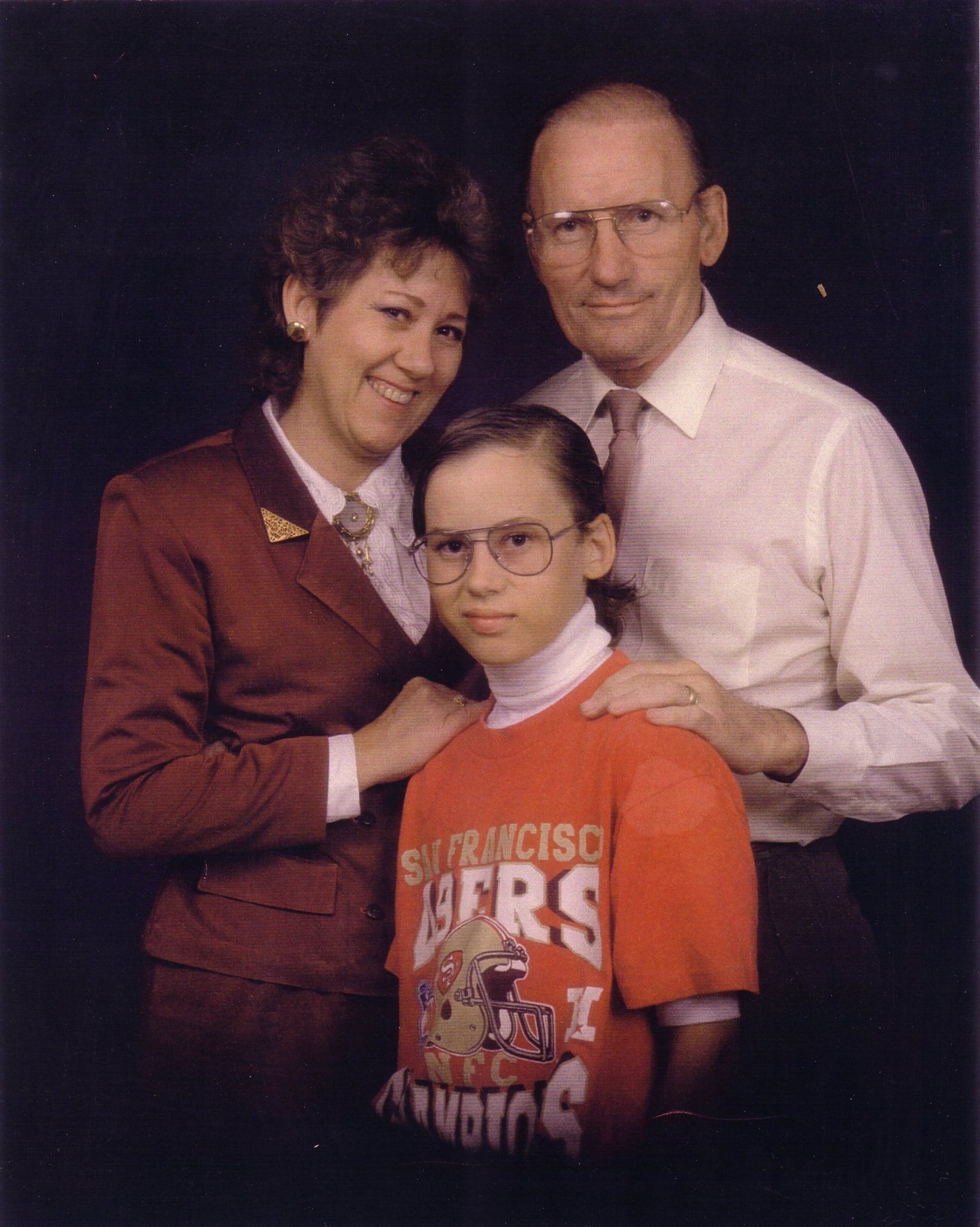
How passionate you ask? Well, passionate enough to persuade force my parents to let me wear a Niners shirt during one of our few formal family portraits. Yes, that's an actual family photo from my childhood.
I remained a dedicated fan through my youth and into adulthood. I'd rejoice in the playoff runs and endure losing seasons. But my loyalty to the game—and especially my team—never waned. One of the true constants in my life has been spending my fall Sundays watching NFL football. I'd record and later rewatch Niner games so I could better understand how plays and the game unfolded. I attended game watching parties with the local 49ers fan club. I made a pilgrimage to Canton to worship the busts of 49er greats, and I could batter rival teams with an unusually comprehensive bevy of cutting insults. I owned far too many products sporting the team logo.
And then three years ago, I gave it all up—cold turkey.
In short, I gave up the NFL to make more time for travel and adventuring.
I boxed up all the shirts, hats, jerseys, cups, plates, and other memorabilia I owned and unfollowed countless NFL and 49ers social media accounts. That might seem a bit dramatic to some, but sometimes the best breakup is a clean break.
Don't get me wrong, I still love football. And my fall travel opportunities remain substantially limited by the football schedule—I'm an even bigger Sun Devil football fan, after all. But it all came down to choices. And while I loved watching pro football on Sundays (and Mondays, and even Thursdays), it wasn't worth devoting so much of my fall to the sport. Because it's not just watching a game or two or three every week, but also keeping up with the latest news, the latest conjecture, the nonstop discussion and analysis. You know, casually turning on the NFL Network and suddenly wondering what happened to the last two hours. There are surprisingly large phantom time costs involved. Until I opted out, I didn't realize that being a diehard pro football fan takes up a lot of one's free time.
Choosing priorities
Obviously, I'm not arguing that you should join me in ditching the NFL. It's simply a gentle reminder to be intentional with your time and attention.
Life is full of tradeoffs and opportunity costs. You can't have everything, so you have to prioritize based on what's most important to you. Maybe the NFL makes the cut in your own life. For me, making space for more adventures—even if that's just squeezing in a hike or day trip each Sunday—was more important than participating in America's most popular fandom. And yes, even if it was something that I truly did love.

Don't get me wrong—I do occasionally miss it, at least a bit. But overall I'm pretty happy with my decision...surprisingly so, in fact. I had expected it to be more difficult than it really was. I had forgotten that it can be a bit of a relief to step away from something; doing so often provides an odd yet empowering sense of newfound freedom. And when I can direct that new freedom towards something I love doing even more? Well, that's worth making the change.
As I dropped the NFL, I also made a conscious effort to curtail my investment in college football. I don't read up on other teams much anymore, nor watch random games on television, even when it's a much-hyped matchup of top 5 teams. In fact, it's rare that I watch a game that doesn't involve my Sun Devils. Ok...I admit that I still occasionally gleefully watch that awful team down south lose again, just for funsies.
Making some choices
If you want to travel more, or go on more adventures, then you may need to make some adjustments to your life to make that possible—whether that's freeing up time, saving money, or both. Often, that will involve some choices—potentially hard choices—about where you place your focus.
I'm often asked how I manage to travel as much as I do. Some of it stems from some pretty big decisions I've made in my life, such as choosing not to have kids, or not pursuing more financial stability by working 70 hours a week in order to climb the corporate career ladder. And it's also because of how I travel—traveling fast and camping in order to avoid the expense of hotels—even when I have to fly to my destination. But it's not just those things alone. It's also the priority I generally give travel in my life.
It means skipping happy hour after work on Tuesday so that I can do laundry and prep for a weekend trip, so I can leave immediately after work on Friday. Or choosing a cheap sub over a nicer restaurant so I can save some gas money for next weekend's road trip. Or typing this on a 6 year-old MacBook Pro, even though my battery is toast and I've been dying to upgrade. It means driving my car into the ground before replacing it with something better.
But it's not just about saving money. After all, my divorce with the NFL centered on saving time, not cash.

Being time poor but great at bar trivia
I'm not well versed on pop culture. That's rather clear to anyone who knows me today. I haven't seen the latest movies, I only watch a handful of tv shows, and I don't spend any time following celebrities. Most modern pop culture references zip over my head. I'm simply not someone you want on your bar trivia team. I bet most of the people who've met me in the last decade or so would assume that's just "who I am."
The truth is, that wasn't always me. I used to go to the movies at least once a week, and I had enough shows I watched regularly that it was a constant struggle to keep a sliver of space available on the DVR. And I sought out all the football I could find, at least when I wasn't playing it on xbox instead.
It was actually a period of minimalism—an attempt to reduce the number of material possessions I owned—that helped spark the change. I was already thinking critically about what items I owned, and why I owned them, so it was natural to turn the same analysis towards how I spent my time. And it's astounding how much of a time sink all of this pop culture consumption can become.
The opportunity cost of time wasters
When I sat down and looked at how I was spending my time, something jumped out at me. It was all the things I didn't seem to have time for anymore. I wasn't reading any of the books I had bought. I hadn't written a blog post in ages. I wasn't hiking as often as I'd like—and when I was, I was simply returning to the same familiar trails instead of seeking out new ones. I had countless projects I wanted to work on, but I never seemed to have time to get started on any of them.
I was spending, at minimum, a dozen hours a week watching tv or movies that I didn't care too much about—shows I probably wouldn't miss if I just stopped investing in them. It's remarkably easy to keep watching a show after you're a season or two in, even if it's no longer especially entertaining. The sunk cost fallacy and simple inertia are more powerful than we realize. And as a result, I was stuck just passively consuming entertainment instead of creating my own.
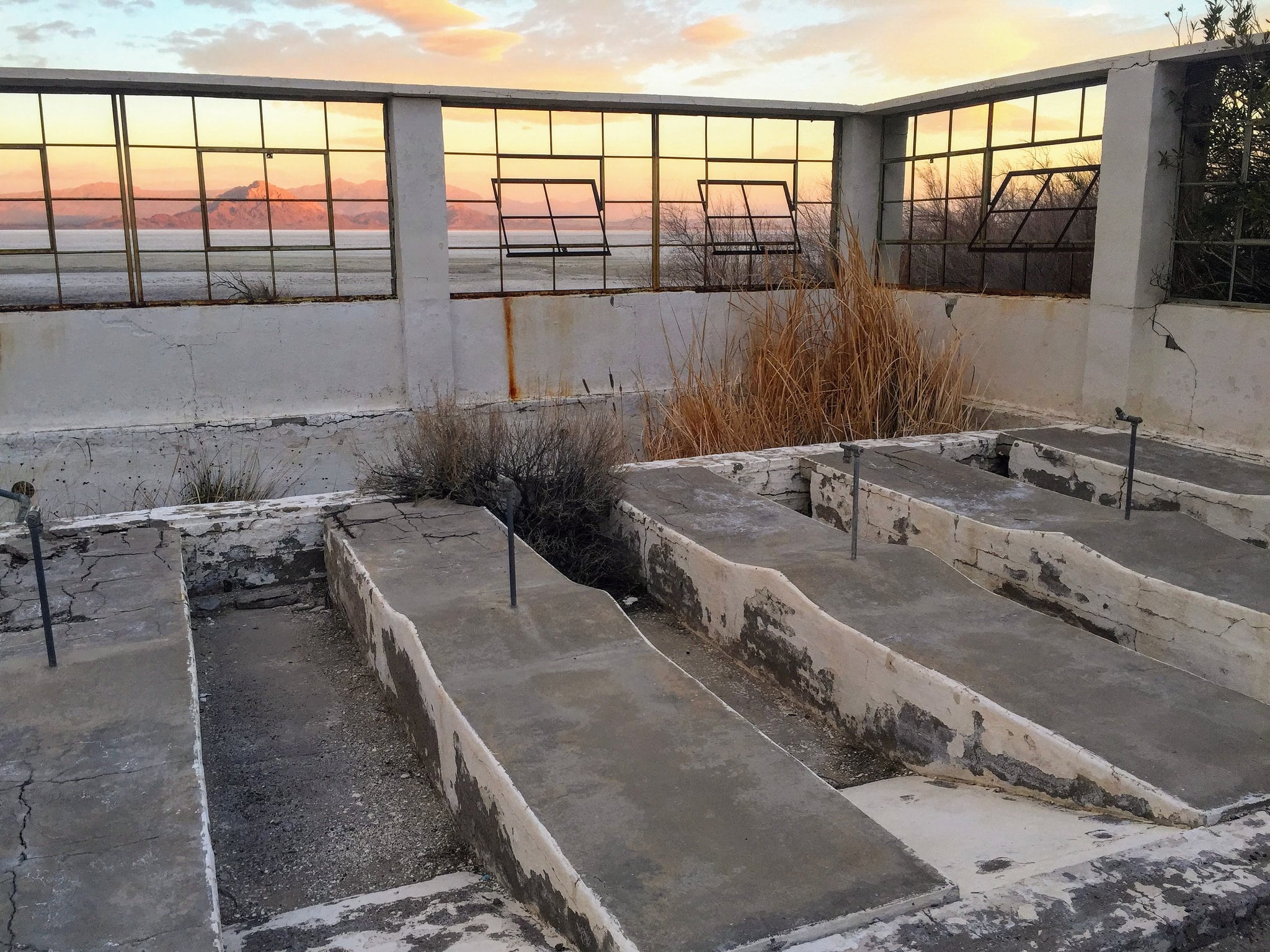
So, let me pose a question. What could you accomplish with an extra 12 hours a week?
Could you spend some of that on a side hustle that could fund that big trip to Alaska you've been fantasizing about? Could you plan out some weekend adventures that you might not otherwise had gotten around to taking? Could you spend it learning how to be a better photographer, or maybe a better photo editor? Could you spend it prepping your gear so your next trip was easier to prepare for? Could you spend a day finally completing that day hike that's been on your list for a decade?
Would any of these things inspire you to cut out a few hours of senseless sitcom watching each week? Because it sure did for me.
A constant reassessment
There are simply endless ways to waste time—and that was true long before social media cratered our collective productivity. But the key is to be proactive in deciding what's most important to you and what's worth the time you give it. And let's be clear: I'm not perfect at this, by any means. I'm surely due for a reassessment of how much time I spend on twitter, for instance.
An important thing to keep in mind is that your own priorities will likely change over time. This endeavor is something that requires periodic re-evaluations. And to be truly valuable (and I'm convinced it is), this requires candidly honest assessments, not simple rationalizations.
The point is to be open-eyed and intentional about how your time gets spent. If you want to just get out more, then you may have to make some trade-offs to accomplish that. You may need to reduce some of your existing time commitments, even if that means renegotiating your relationship with something you otherwise enjoy—maybe even something like the NFL.
Have you cut out something from your life to make more time for travel and adventure? Tell me about it!
Travel Camping: how to fly and camp in a rental car
The cheapest way to travel
One of the best ways to save money while traveling is to camp instead of staying in a hotel. Some people might think that this strategy is limited to destinations you can drive to. But it's not. With a little bit of planning, you can save big on your trip by flying your trusty camping gear and picking up a few items along the way. I call this fly-and-camp strategy travel camping.
Here's what you need to know to give it a try.
But, wait...
"I don't want to waste money on things I'm barely going to use."
That's often the first response I get when someone first hears about travel camping. Yes, you will likely buy some things on the trip that you won't use all of, or that you'll only use a few times before discarding. For budget travelers, it can feel especially weird to pick out a cooler that you only intend on using for a week or so. But that doesn't mean that it doesn't make financial sense.
After all, substituting just a single night of camping in place of a hotel stay will undoubtedly save far more cash than you'll spend on any items you'll have to discard later. When you add together several nights—and especially if you include cooking some meals at camp—then you're suddenly saving hundreds and hundreds of dollars. Don't take my word for it; after reading this post, do some sample math for your next trip and see how much you'd save by travel camping. We could all use some more travel money, right?
To be fair, travel camping isn't always the best choice for your trip. For instance, if you're heading to the Sonoran Desert in the summer, I'd recommend staying in a hotel with air conditioning instead of sweltering in a tent (a free tip from this Arizona native). Similarly, I'd much rather pay for a hotel room than camp in a Minnesota winter.
And if your primary destination is a major metropolis, your camping options might be pretty limited or less convenient—though sometimes you can be surprised. For instance, there are camping options just across the Golden Gate Bridge from San Francisco, campgrounds within a 10-minute drive of the major Scottsdale resorts, and plenty of "this-will-do-for-the-night" private campgrounds and rv parks at the edge of most large cities.
Your gear bag
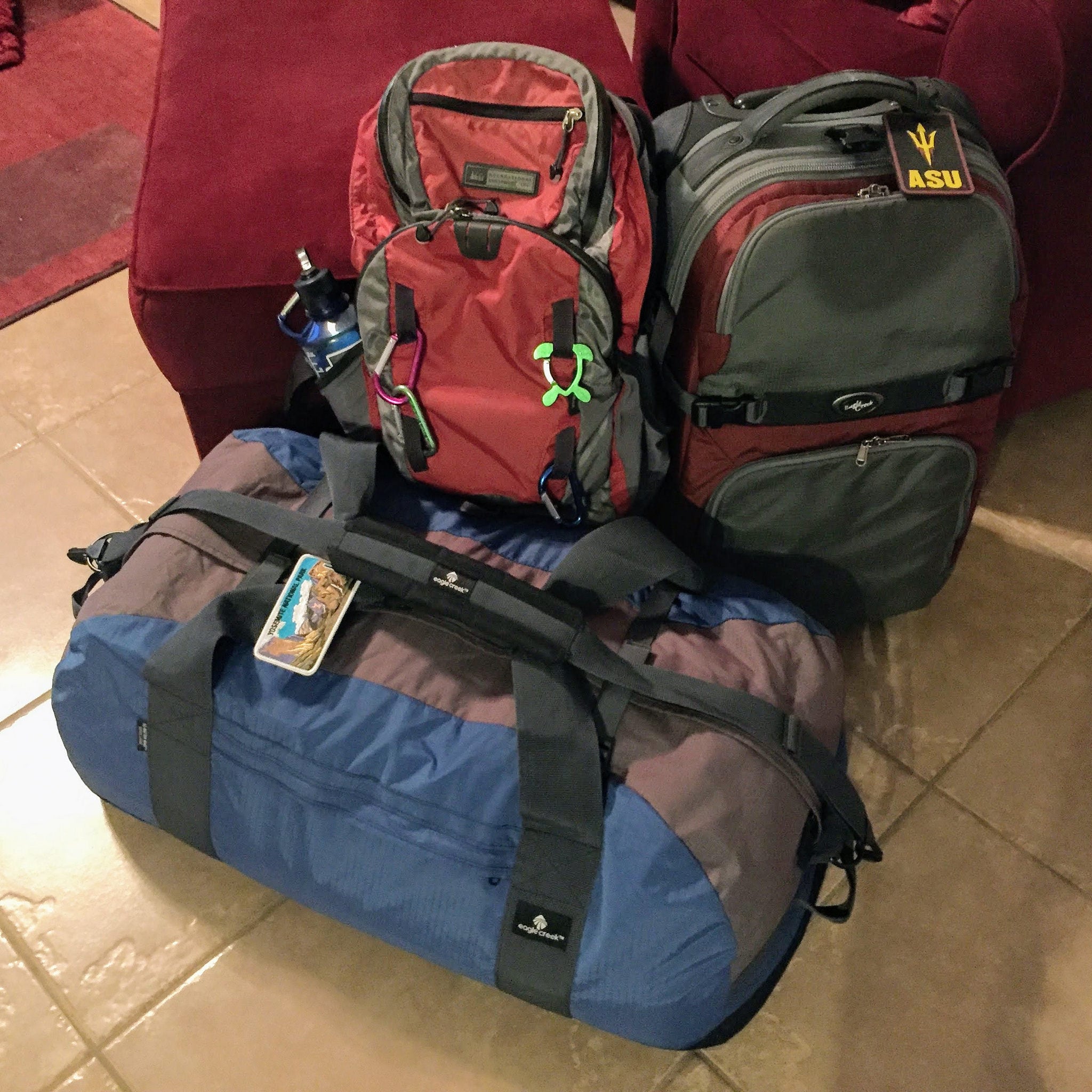
The first thing you'll need to get started with travel camping is some sort of gear bag to carry everything you're bringing with you. I happen to use a large rolling duffel bag for this, but you have quite a few options here. The key is to use something that meets your airline's baggage limits so you don't have to pay any oversized baggage fees (typically triggered by anything that exceeds 62 inches when you add together the bag's length, width, and height).
Similarly, you'll want to make sure that this bag doesn't get too heavy to avoid overweight charges, usually bags weighing more than 50 lbs. Depending on what you're bringing, that might mean strategically carrying some heavier items in your carry-on to help better distribute the weight. Likewise, some items might simply fit better in a standard carry-on suitcase than a large duffel bag, so keep that in mind when you're packing too.
I usually try to check a single gear bag of camping gear and stashing my usual carry-on suitcase in the overhead bin. I also carry a daypack as my so-called personal item (be sure that this meets your airline's size limits, which seem to be getting smaller and smaller). If you plan on travel camping often, you might want to consider buying a large rolling duffel for your gear bag; it's the easiest to carry around the airport and to your rental car. I've gone years without one but recently upgraded and it was worth the expense.
What's allowed in checked vs. carry-on luggage
Not sure what items you're allowed to fly with? Below is a list of camping-related items and whether or not they're allowed in checked or carry-on luggage. Please note that these rules can change regularly, so please double-check the TSA list before your trip. Also keep in mind the liquids rule for carry-on baggage when you're packing.
What camping gear can you bring on the plane?
Some items are allowed only in your checked luggage while others can only be in carry-on baggage; a few items aren't allowed in either checked or carry-on luggage. For more details on each type of item, check out the links I've provided.
- fuel canisters - neither
- camp stoves - both, as long as they are cleaned and no residue fuel or odor remains
- sharp blades (knives, leatherman/multi-tools, etc) - checked only
- scissors - depends on blade length
- disposable & zippo lighters - carry-on only (unless empty)
- torch-style lighters - neither
- strike anywhere matches - neither
- safety matches - carry-on only
- tent stakes - checked only
- lighter fluid - neither
- firestarter - neither
- hand warmers - both
- hiking poles/walking sticks - checked only
- corkscrews with a blade - checked only
- corkscrews without a blade - both
- bear spray - neither
- snowshoes - both
- crampons/snow cleats - checked only
- coolers (empty) - both
- hatchets and axes/ice axes - checked only
- hammers/mallets - checked only
- sunscreen sprays or bug repellent - both (following liquids rule)
- flashlights - depends on size
- utensils - both (but no sharp/pointed knives in carry-on)
- tripods/monopods - both
- wet wipes - both
- emergency beacons - check with airline
- solid candles - both
Sleeping arrangements
The first thing to decide when planning your trip is your sleeping situation. Will you bring a tent? Will you rent an SUV or a minivan that you can sleep in the back of? Are you a hammock sleeper? You'll also want to consider where you'll be sleeping. For instance, will you be staying in developed campgrounds, dispersed camping on public lands, or stealth camping in a city?
The answers to these questions will help determine what gear you'll need. For instance, if you'll be sleeping in a vehicle, then you don't need to bring your tent. And if you're staying in a developed campground, then you'll likely have a picnic table that you can use for both cooking and sitting at. Consider what items are important for you to have given the circumstances you'll likely find yourself in.
Will you be cooking?
The next big question you'll want to answer is whether or not you will be cooking any meals. Cooking your own meals usually saves you a ton of money while traveling, but it also requires additional gear and takes time away from other activities.
Not cooking
Even if you decide to eat out for all of your meals, you'll still save hundreds of dollars by camping. Just be sure that you'll be near appropriate restaurants during your expected mealtimes—especially if you have any dietary restrictions. You don't want to find yourself hungry and in a remote area after hours with no place to eat.
You might want to consider how you could supplement your meals with snacks or beverages to save additional cash. For instance, even if I'm not planning on bringing a stove and cooking during a trip, I might still grab some food and drinks to have with me. I sometimes pick up some sort of small cooler (even if it's a cheap "keep-groceries-cold-on-the-drive-home" style) and toss in some sodas, water, beer, and few snacks—just so I have some options if I get hungry or for when stopping for food isn't convenient.
Cooking
Being prepared to cook at least some meals provides you with the most flexibility on your trip. After all, you can always grab a bite at a restaurant if you're feeling lazy or if you run across a place that's too good to pass up. You'll want to do some pre-planning before you hop on the plane, though. First, you'll likely need a few basic items: a stove, a cooler, pots/pans, plates/bowls, and utensils. Depending on your trip and what you already own, you could bring all of these, buy them all at your destination, or a combination of the two. I tend to pack gear I already own that's easy to bring on the plane, and then buy the remainder when I arrive.
What to bring and what to buy there
While I own plenty of compact and lightweight backpacking gear, I usually bring slightly bulkier car camping gear when I do these sorts of trips. For instance, I prefer to bring my Coleman single burner stove that uses one of those ubiquitous green 1 lb propane canisters over my much smaller backpacking stove that uses a harder-to-find isobutane canister. While the larger stove is a bit bigger to pack, its fuel canisters can be found at just about any grocery store, gas station, or Walmart. It also cooks a bit more evenly and is more stable while holding a heavy pot. The same goes for my cookware; it's usually my weekend car camping set, not my lightweight titanium backpacking pot. Keep in mind that this is just personal preference, so choose the gear that works best for you and your trip. [Update: we've recently bought this stove, which we paired with a converter so it can use the 1lb propane canisters—this is now our preferred travel camping system].
Plates, bowls, and utensils are items that you can either decide to buy there—you can usually pick up disposable items for relatively cheap—or to bring with you, depending on space considerations. Remember that if you're cooking, you'll also need to consider how you'll be doing dishes, too (this is where disposable items are especially useful). You can often find free condiment packets, salt & pepper packets, napkins, and plastic cutlery at most big gas stations, grocery store deli counters, or fast food restaurants. I often snag some of these instead of buying large quantities I'll never use up during a trip. However, I do bring some smaller and less common items (like a particular seasoning I like on my sandwiches) along with me so I don't have to buy a large container of something I'll use just a bit of.
You can't bring stove fuel on the plane, so plan on buying a canister when you arrive. You'll also need ice and a cooler, too. You can usually pick up a cheap plastic cooler for about $15-20 or so; I usually grab either a 28 qt or 48 qt size, depending on how much food and beverages I plan on having at any one time. I also pick up a cheap plastic bin to keep my food dry inside the cooler. My general preference is to buy just a few days' worth of food at a time instead of plotting out every meal for the trip in advance; I always seem to end up with quite a bit extra food/drinks when I try to buy it all at the start. Also don't forget to grab a gallon or two of water. You can usually refill these at campgrounds when you run low.
The cheaper (and less enviro-friendly) styrofoam coolers are also an option may people consider, though they come with quite a few downsides. First, you'll need a lot more ice to keep your food cold, as the lid doesn't close very well. They can also be a bit top-heavy, so you'll want to brace them in the vehicle so they don't tip over. Unfortunately, they also squeak quite a bit (especially when braced in), which quickly drives everyone in the vehicle nuts. No matter which route you choose, check out my post on how to make ice last longer in your cooler for some useful tips.
I do my best to buy only simple, easy-to-prepare meals that don't require many a long list of ingredients to make. Items that can do double-duty in more than one meal are great too. For instance, sliced cheddar cheese works great in both grilled cheese sandwiches and as a snack when paired with pepperoni and crackers. Items that don't need to be kept especially cold—like the aforementioned cheddar cheese and pepperoni—make it a bit easier to manage while you're on the road. I generally recommend sticking to foods and meals that you're already used to making and that you enjoy eating. It's never fun when dinner isn't as appetizing as you imagined it'd be, or worse when doesn't quite agree with you and you're stuck running repeatedly to the campground toilet.
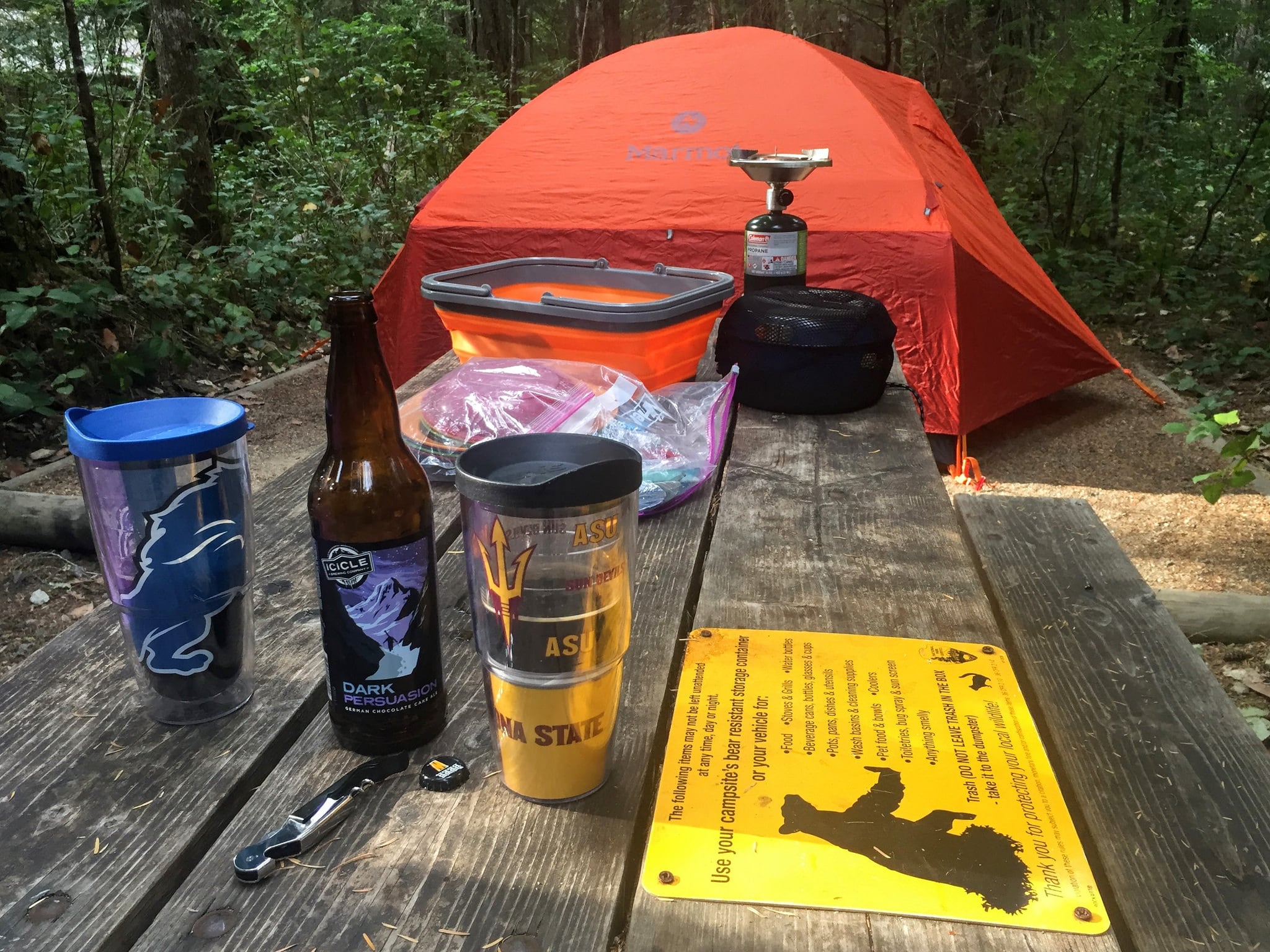
Here's exactly what gear I've brought on trips
Every trip is a bit different with its own unique gear needs. In the collapsible sections below, I've listed the gear I packed for three very different travel camping trips. The first was a road trip through the Pacific Northwest where we brought quite a few luxury items. That's much different than our trip to Hawaii, which featured just the basics for sleeping at a campsite. The last trip—a solo, fast-paced but frugal road trip through the South—sat somewhat in the middle of the other two. I've listed these to provide a bit of context into the various pieces of gear you might bring for each kind of trip. Keep in mind that your own travel or camping style may require a much different packing list than what I brought.
Roadtripping the Pacific Northwest
This trip featured a combination of hotel stays (3 nights in Seattle early in the trip, and then a night in Bend in the middle) along with 7 camping nights scattered across Washington. We had opted for a cheap economy rental car, so we would be sleeping in our tent. Our schedule was rather variable—some places we'd just be quickly crashing for the night, while others we'd stay for three nights and spend a lot more time at the campsite. We were also a bit worried about possible rain, wanted to ensure that we could shower at camp, and expected to spend several nights enjoying an evening campfire. As a result, we brought quite a few "luxury" items that I normally don't bring on travel camping trips. Because of the crowds expected for the impending solar eclipse, we also reserved sites in developed campgrounds for each night we weren't in a hotel. Each of them had flush toilets, but only one listed shower facilities.
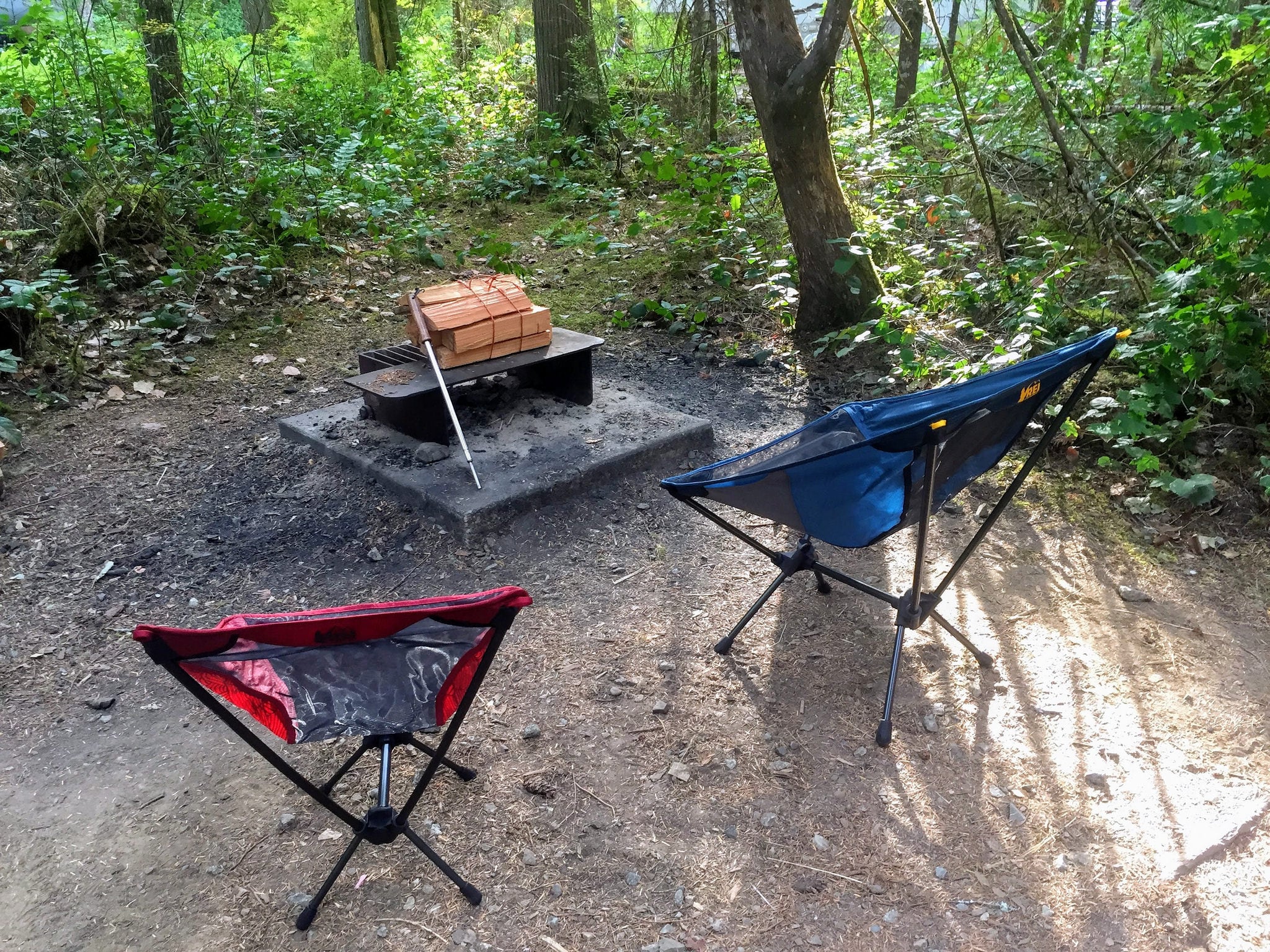
The main video above provides some additional context and reasoning for the items we brought. Here's the list:
- 3 person tent
- sleeping pads [mine, Jen's]
- sleeping bags [mine, Jen's]
- fleece throw blankets
- camp/travel pillows
- camp lanterns
- headlamps
- camp towels
- backpacking chairs [mine, Jen's]
- cheap ikea doormats
- camp fire poker
- tarps
- paracord
- bungee cords
- extra tent stakes
- ziploc baggies
- all purpose camp knife
- single burner propane stove
- nesting pot/pan set
- sponge/soap/scraper dishwashing kit
- plastic plates & bowls
- plastic cutlery
- spatula
- kitchen knife
- thin plastic cutting board
- bottle opener/corkscrew
- spices/seasoning
- tervis-style insulated cups
- folding sink
- camp shower
Island-hopping around Hawaii
This trip was evenly split between hotel nights and camping, which saved us well over a thousand dollars due to Hawaii's expensive hotel rates. We decided to skip cooking and eat out every meal on this trip for two main reasons. First, we were bringing all of our snorkeling gear, so we weren't sure it'd all fit in our normal gear bag and didn't want to pay for an additional checked bag. We had several inter-island flights, so not only would we have to pay for that extra bag on each flight segment, but we'd also have to continually buy additional supplies (like a cooler and stove fuel) between flights. This just seemed like too much of hassle.
Because the climate in Hawaii is so mild, we skipped warm sleeping bags and instead brought a $23 lightweight full/queen comforter from Ikea to share. It was tightly rolled in plastic, so it was easy to pack for the flight there. But we weren't sure if we'd be able to get it packed again once we used it, so we were willing to donate it instead of bringing it home. With some compression straps, however, we managed to make it fit and we've used it on several other road trips since then. Sometimes, picking up some additional gear is worth ensuring you have a great experience.
As you can see from our gear list, you really don't need much to pull off a few nights of camping—especially if you aren't going to be cooking.
- 3 person tent
- sleeping pads [mine, Jen's]
- comforter
- camp/travel pillows
- camp lantern
- headlamps
- camp towels
- sandals
- corkscrew/bottle opener
- silicon bottle topper (in case we didn't finish a bottle of wine in one sitting)
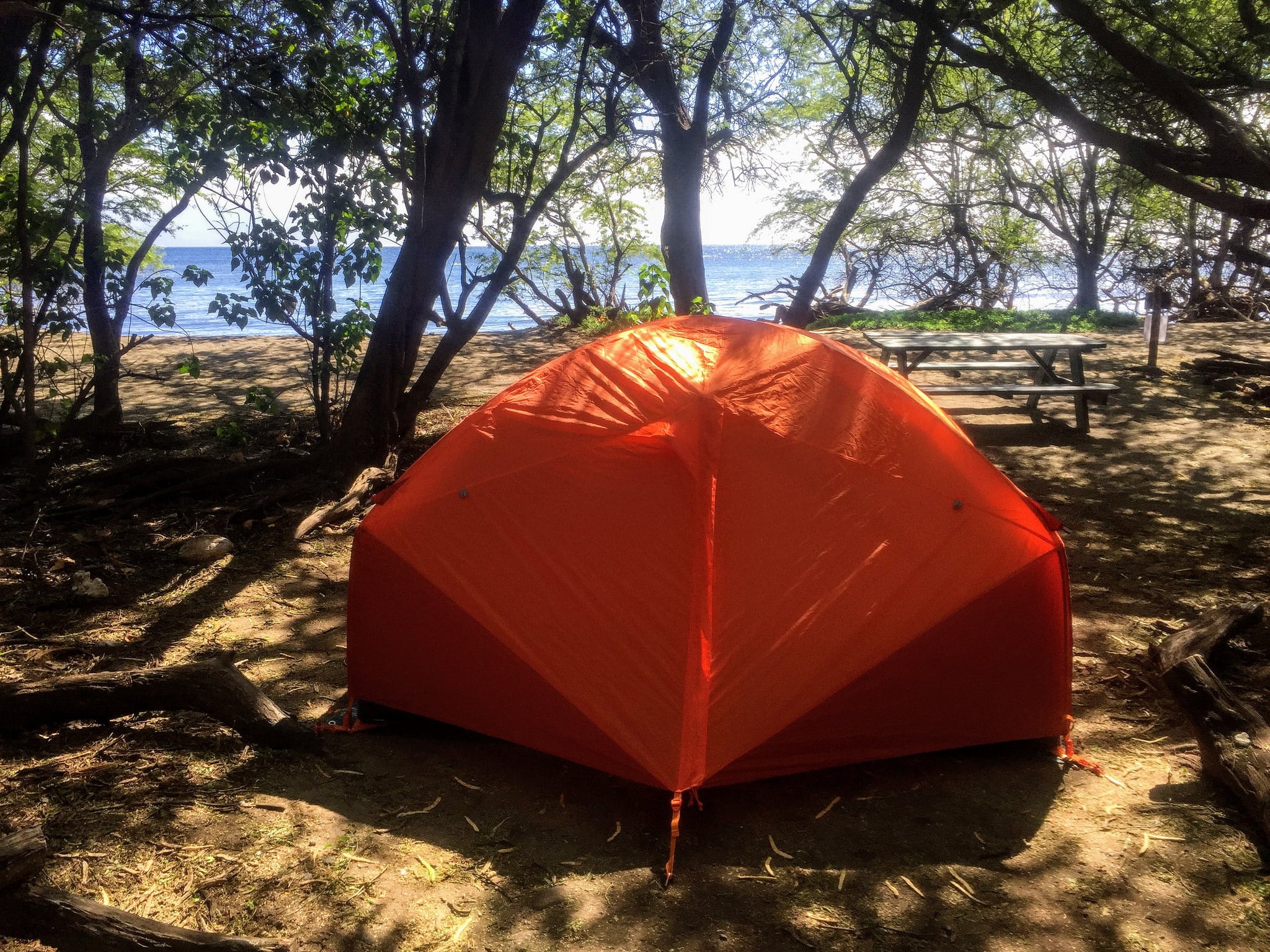
Quick note about where we camped
During this trip, we primarily camped at Camp Olowalu on Maui. They have recently renovated their campground and installed some very nice outdoor showers and toilets. We loved the place—we even had our own private beach that we could snorkel off! Best of all, it cost $20 a night instead of the $280 we would have paid in the city. To be honest, we actually enjoyed the campsite more than any of the hotels we stayed in and should have booked several additional nights there. Did I mention that we hung out with some sea turtles right off the campsite?
A frugal road trip around the Deep South
Last spring I did a 9-day multi-state road trip around the Deep South to mark off a handful of national park units and other attractions I hadn't yet visited. With an expensive trip to the US Virgin Islands & Puerto Rico coming up just two weeks later, I really needed to pull this trip off as cheaply as possible. I was able to pick up my flights using airline miles and had one free hotels.com night stay to use, so I'd need to camp the rest of the time to make my budget.
Because this would be a solo trip and I had an aggressive itinerary of destinations to visit, I knew that it'd be go-go-go the entire trip. I also didn't have a set itinerary planned out in advance, so I'd need to look for a campsite on the fly. I usually prefer to save my longer drives for after sunset in order to maximize what I can see during the day, so it seemed likely that I'd be arriving in camp late each night after driving several hours from my last destination.
So while I brought several items intended to comfortably pass the evening hours at camp—the hammock, tent, and backpacking chair, for instance—I fully expected that I'd be arriving late and leaving early. On this trip, camping was primarily just a way to save money on hotels. Because I got a great deal on a large SUV for the trip, I mostly planned on sleeping in the back of the vehicle. This would allow me to avoid setting up and tearing down camp every day, saving me both time and hassle—especially since the forecast called for rain for much of my trip.
I kept my meals simple and ate out about half the time. That usually meant bagels with cream cheese and a yogurt for breakfast, random snacks during the day (sometimes making a sandwich or heating up some soup or chili), and often grabbing a quick sub or some fast food for dinner before hitting a local brewery to sample their offerings. I ate cheaply in part so I could enjoy these brewery stops, which also gave me a great opportunity to research possible spots to camp each night. It also provided a bit of social time with locals (solo travel can get a bit lonely at times). If I was hungry later, I'd just heat up some soup or snack on something when I finally arrived at camp.
Here's a quick (and poorly-shot) video on what I brought with me for this trip. I've also included the list below.
- single person tent
- sleeping bag
- sleeping pad
- hammock and straps
- headlamp
- one-burner propane stove
- medium cook pot with frying pan lid & handle
- some snacks & drink mix
- mayo packets
- seasoning for sandwiches
- disposable bowls & plates
- tervis-style insulated cups
- plastic bin for cooler
- utensils
- bottle opener
- kitchen scissors
- kitchen knife
- koozie
- plastic camp cup
- ziploc baggies (variety of quart & gallon sizes)
- small daypack
- sandals
- hiking boots
- swimsuit
- backpacking chair
- nalgene bottle
- carabiners
- camp towels
- 2 reusable shopping bags
- power inverter (to charge my laptop)
- binder clips (I use these as "chip clips")
Other items you don't want to forget
- Headlamp
- Towel(s) for showering
- Camp/shower shoes
- Ziploc bags (especially useful for repacking snack foods)
- Can opener (though I try to only buy cans with pop-tops)
- Bottle opener/corkscrew
- Paracord
What to do with items that you can't bring home
If you purchase items like a cooler or other food you don't use, consider how you can best donate it at the end of your trip. If I'm staying at a developed campground, I'll often donate my half-full propane canister and other camping supplies to the camp host to use or redistribute to underprepared campers. Another option is to look up a charity like Goodwill where you can donate items like a cooler; I usually look for one that's on the way to the airport. With leftover food or beverages (and sometimes coolers), I usually donate them to panhandlers before I fly home.
Some recommendations for first-timers
If you're not a seasoned camper, you can still have an excellent travel camping experience. I recommend easing yourself in on the first trip or two so you can get the hang of it. That means:
- splitting your time between camping and staying in hotels
- reserving every campground you'll need in advance
- choosing campgrounds that provide both flush toilets and showers
- being ok with eating most meals out (in case you need or want to)
- scheduling a more leisurely itinerary
- bringing or buying some snacks so you always have something to eat
The goal here is to give yourself the best shot at enjoying the experience, even if you end up making some mistakes along the way. Once you get a trip or two under your belt, you'll have a better idea of what works best for you and your own preferences and can modify from there.
More on what I bring for my "personal item"
Have a good travel camping story?
Tell me in the comments!
This post contains affiliate links.
Why you should adopt a personal travel quest
I believe that travel quests are one of the best ways to inspire more travel. In fact, the original name of this blog was originally going to be VisitEveryPark.com—an ode to the quest that inspired so much of my own travel. That's how powerful I think quests can be to getting out and adventuring more.
Virtually everyone I know that travels frequently for pleasure is pursuing at least one personal travel quest. But that doesn't mean that their travel is always focused on those quests. Quests just tend to inspire you get out and adventure more.
So if you want to travel more, try adopting a travel quest of your own. Here's everything you need to know to get started.
The two types of quests
Personal quests are divided into two main types: ones that "count down" and ones that "count up." Some quests work better for counting down while others are better for counting up.
Quests that count down
Quests that count down usually take the form of "Visit all of the ________." As in, visit all 50 states, visit every National Park unit, or visit every craft brewery in the state. There are a finite number of stops baked into the goal, and you're usually trying to visit all of them. So you're counting down how many you have left. Now, that doesn't mean that the quest number stays static—it may not. For instance, when I started my National Parks quest, there were 379 units, whereas today, there are 417. But while the number may change, my personal goal really does stay the same: to visit all of the National Park units (however many that may be right now).
These types of quests are my favorite, but they're a bit harder, as you don't have any flexibility of which places are included. That's a big part of the challenge, and often requires a little strategy and foreplanning to pull off so that you don't "orphan" something off by itself that would require an additional trip.
Quests that count up
Quests that count up (e.g., "visit 100 countries before I turn 50") are still focused on a goal, but usually involve just a subset of the available destinations. For instance, visiting 100 countries is a big task, but it's quite a bit easier than visiting every country. These quests usually have a more specific deadline than "visit them all" style quests, often related to one's age. In addition, this type of quest is regularly expanded once the initial goal is reached. To continue the example, if you successfully visit 100 countries, you might extend the goal to 150 countries—or possibly even shift to a "counting down" quest and try for all the countries.
What about bucket lists?
I don't consider bucket lists, at least as they're traditionally defined, to be travel quests. Bucket lists are usually a rather random collection of destinations to visit, activities to complete, experiences to have, and accomplishments to achieve. They're a personal list of things to do before you die, where the items have no direct relationship to one another. Bungee-jumping, visiting the Taj Mahal, and earning a master's degree are too different of things to be considered a quest. Don't get me wrong, I think a bucket list is a worthwhile goal to pursue. It's just something different than a travel quest, so I won't cover them in this post.
Do challenges count?
Similarly, I usually don't consider personal challenges—like the popular 52 Hike Challenge—as quests, mostly because they tend not to be tied to specific destinations. Depending on the details of the challenge, however, they might be closely related and therefore share some of the traits I mention below. I'll address these personal challenges in a future post.
Travel quests help you travel more
Several qualities of travel quests help inspire travel. Here are some of the ways that quests have helped to inspire me to travel or adventure more often.
Quests ensure that you experience new places
It's easy to go back to the same ol' places when you travel. You know what to expect. You know how to get there. You know, generally, how the trip will go. It's comfortable and easy. It doesn't need as much planning, or require new gear purchases, or create any anxiety or angst. It's safe and familiar.
But it also doesn't expand your horizons, or teach you anything new, or provide you with an exciting new experience. In some ways, you lose out on quite a few of the inherent benefits of travel. Quests, on the other hand, help inspire you to visit different places, attempt new activities, adopt new perspectives, and expand both your skills and your comfort zone. That, in turn, helps expand your confidence to travel to even more places. The more you travel, the easier it gets.

Quests force you to go to places you might not otherwise go
A related benefit of quests is that they force you to go to places you might not otherwise visit. Not everyone would see that as a benefit, but you might be pleasantly surprised with places you had no intention of visiting. For instance, I had zero interest in visiting Topeka, Kansas—zero—but had to visit Brown vs Board of Education National Historic Site for my national parks quest. As a white male, I had never really understood what racism felt like, nor had I really sought out any experiences to learn. However, that visitor center had an amazing video display in a hallway that made you feel like you were one of the Little Rock Nine. It was one of the most enlightening experiences of my life. That's just one of several examples I could point to.
Quests impose some structure to your travels
Another benefit of quests is that you always have something on your "To Visit" list. It's easier to plan trips because you always have something on the agenda. Some people end up not traveling as often as they'd like simply because it's hard to narrow down the glut of available options—a sort of paradox of choice. Quests, however, can help impose some sidebars to your travels. You know that you want to make progress on your quest, so you've already limited available destination options to a more manageable number.
Quests serve as a goal
Quests provide an inherent incentive to travel more—a motivation to complete the quest by the deadline. As a result, you're more likely to pursue travel when opportunities arise. Let's face it, there are always plenty of barriers to travel; staying home is far easier than planning and completing a trip. Having a running goal helps ensure that there's a bit more impetus for making that trip idea come to fruition.
In a similar fashion, quests tend to inspire you to add more to your trip itinerary. "Hmm, what else could I mark off while I'm in the area?" is a common thought to someone with a quest. When you develop that attitude, you tend to bypass the barriers to travel that keep others at home.

Quests often contain some social pressure
Once you start to make some progress on your quest, especially if you do so publicly on a blog or on social media, you begin to generate a bit of public pressure to continue. This social reinforcement helps keep you on track and making progress. The more "public" your quest, the more reinforcement you get. Once friends and acquaintances learn of your quest, you'll likely get future inquiries on your recent progress—which helps to motivate you to keep marking off destinations.
Quests make unfun travel "worth it"
If you've done any amount of travel, you know that it's not all fun. Sometimes, it can be an absolute slog. The weather doesn't cooperate, you get stuck in traffic during your drive, you have to endure extended flight delays, and so forth. These delays and annoyances are a bit more tolerable if your trip involves making progress on a quest; after all, you're still completing something important to you.
Conversely, having a subpar experience while marking off a quest objective also makes you better appreciate the places that were great experiences.
Quests inspire more quests
Just as travel tends to inspire more travel, adopting travel quests tends to lead to even more quests. It's an interesting phenomenon—the more success you have completing your own personal quest, the more interested you get in adopting new quests or expanding your current quests. Travel inspires travel. The more places you check off your list, the more you add back onto it.
Quests make you feel accomplished
Completing one's goals usually leads to feelings of personal satisfaction. And finishing a big travel quest? Well, "feeling accomplished" might be an understatement. Now, it's a great feeling to finally complete a quest, even if it's not the most challenging one on your list. But it's absolutely true that the harder the quest, the greater the satisfaction. Either way, you'll routinely smile with pride whenever you recount the accomplishment in the future.
In addition, I tend to get regular praise from both friends and acquaintances, who often introduce me to others as "the guy I told you about that's trying to visit all the national parks." Sure, some people will occasionally be jealous, but most come away impressed and supportive. As an excellent side bonus, those that hear your goals will be encouraged to travel more. Truth be told, it's one of the main things that drives me to publish this site—I love the feeling of inspiring others to just get out more!
How to choose a travel quest
What's your hobby?
Do you love old cathedrals? Maybe you should go see a bunch of them. Maybe you feel most alive when you've conquered a tall mountain peak? Sounds like you need to do some peak bagging. Do you enjoy eating at windowless Chinese restaurants located in sketchy Phoenix neighborhoods? Ehh, on second thought, maybe you should skip that one—that would be a ridiculous quest, right? Anyway, the point here is to choose whatever sounds like it could be fun for you.
Or you can simply be open to the idea when you accidentally stumbled onto something interesting, as I often have. Sure, my early national park road trips quickly evolved into a broader quest to visit them all, and I've purposefully selected other quests for a specific reason. But my High Points of Otherwise Flat States quest arose from a friend's simple tongue-in-cheek comment that I should climb Mount Sunflower while I was driving through Kansas. I thought to myself, "Sure, why not?" and proceeded to have a good chuckle when I made it to the so-called summit. And a quest was born.
Similarly, I thought it'd be funny to visit the World's Largest Ball of Twine in Cawker City, Kansas on that same trip. I had a blast, and even ended up going to door-to-door in the town to find some twine so I could add to the ball. When I learned that two other twine balls also considered themselves to be the "World's Largest?" Well, I obviously had to go and judge for myself. Bam! Another quest.


Sharing a quest with someone
Sharing a travel quest with a close friend or significant other is an excellent bonding experience. It's fun to travel with people you enjoy spending time with, especially when you're chasing the same goal. Sharing expenses, driving duties, and trip planning often makes it all a bit easier, too. But, just like sharing a popular tv show like Game of Thrones with someone, it's also fraught with some potential downsides. Two people means that there can be twice as many barriers to travel, for instance—be it schedule conflicts, money woes, or a lack of motivation. It can be frustrating when you're excited to mark off the next items on your quest only to have your friend bail due to last minute work demands. Are you even allowed to mark off a destination without the other person? And if your quest was a "special thing" in your relationship that just ended in heartbreaking fashion, well...do you keep pursuing it? Spending a few minutes thinking these things over before you commit to a joint quest is probably a good idea.
Can you have more than one quest?
Of course! I have quite a few quests I'm currently working on. Some of them are long-term and difficult to complete, such as visiting 50 countries before I'm 50, or visiting all 419 National Parks units. Others, like visiting all of Arizona's State Parks, are far easier and can be accomplished on the weekends over the course of a year. I even have some "back burner" quests that I've adopted but aren't actively pursuing at the moment (primarily because of other, higher priority quests).
Micro-adventuring using mini quests
Not all quests need to be difficult or require substantial travel to complete. Some can be local and easy to accomplish, like picnicking in every public park in your town. These type of mini quests can help lead to small, everyday adventures that can be surprisingly fun.
For instance, my friend Wayne and I actually did complete that local quest to visit every sketchy Chinese restaurant in downtown Phoenix, complete with our own hybrid rating system. It wasn't hard to schedule several lunch visits over the course of a few months, but we had an absolute blast doing it. We even ran across a couple of legitimate gems...though the majority were definitely places to avoid. Our friends found the whole thing hilarious, so they'd often send us tips on possible restaurants to add to our quest list or check in to see when our next lunch was. The point here is that, no matter where you live, there are quests to be pursued.


Setting some rules
Exactly what is included in the list?
The first thing you'll need to decide is what exactly is on the list you're trying to complete. On the surface, this sounds rather elementary, but it can be more complicated than you might think. Let's use the example of a quest to visit every brewery in your state. First, which breweries count? Is it only locally-owned craft breweries, or are chain breweries included too? What about places that white label their brews, or ones that brew off-site? And keep in mind that these numbers might change as new breweries open and others close. Do you lose your "completed" status if another one opens the week after you finish them all? Or is your quest only focusing on the breweries that were in existence when you started the quest? A bit of thought will help sort this all out before you get started.
Exactly what counts as a visit?
Another important rule you'll need to decide on is "what counts as a visit." For instance, does a country visit count if you simply pass through its borders on a train and never deboard? Does it count if you drive across town to visit a craft brewery but they've inexplicably run out of their own beer? Are you allowed to count visits that occurred before you started the quest? These questions are best decided before you begin your quest—and trust me, they're bound to come up along the way.
Here's an important thing to remember: it's entirely up to you to decide what rules you follow. If you want to count airport layovers as visiting a particular state, then by all means go right ahead. Your quest = your rules. Quests are for you, after all, not for anyone else.
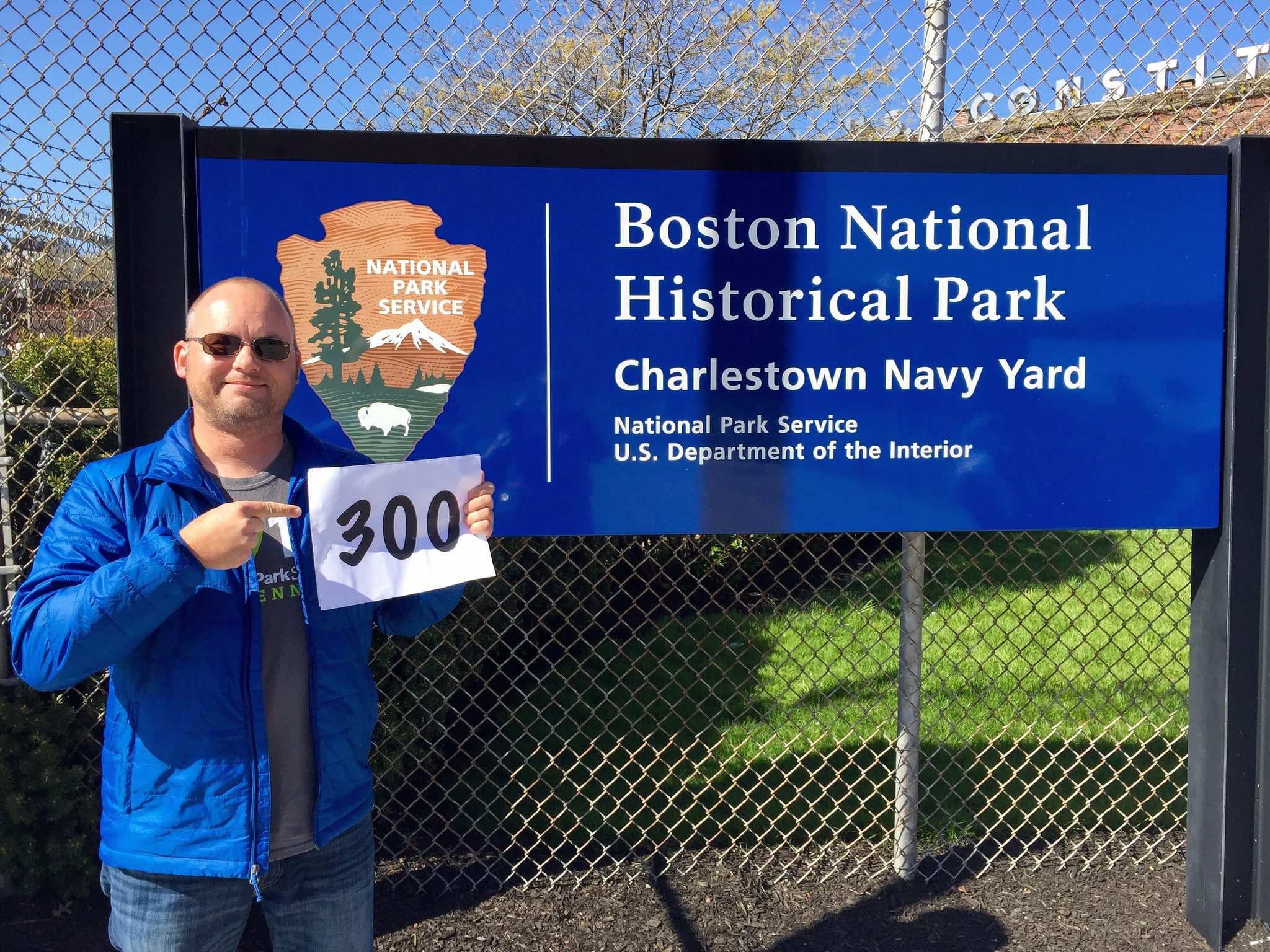
Starting a tradition
I think traditions are particularly important components of quests. Some people dance, while others collect passport stamps, or repeat the same selfie in front of an entrance sign. Some bring a trinket or figurine that they photograph at each destination. It doesn't matter exactly what you decide to do, but I'd recommend adopting at least one tradition for your quest. I tend to have several traditions for each quest I undertake. Some demonstrate my quest progress, such as holding up a sign of what park number I'm on. Others, like a selfie of me in front of the park sign, will be part of a fun slideshow when I'm finally done. Whatever you decide to do, the earlier you start these traditions the better.
Generating some evidence
Most travelers end up with some form of evidence of their various quest visits. For some, it's a photograph of themselves at a famous landmark, or it might be a passport cancellation, or a national park passport stamp. Whatever tradition(s) you adopt, make sure that at least one of them produces some tangible evidence of your visit. While quests are for your own benefit—not for others—you'll still appreciate this evidence by the time you approach your quest goal. Just trust me on this.
Keeping track of your progress
Bust out the spreadsheet
You'll definitely want to keep track of your quest progress, and spreadsheets tend to be the easiest way to do that. If you don't own a copy of Excel or Numbers, there are free online versions such as Google Sheets or Excel Online. Spreadsheets are great for keeping track of more than just which destinations you've visited and which ones you have remaining. You can also keep track of a wide variety of other useful information, such as the date of your visit, links to any photos or videos you posted from the visit, or other details that'll inform a future visit. Believe me, it's a whole lot easier to create and use a system to keep track of your progress than having to go back and researching it each time.
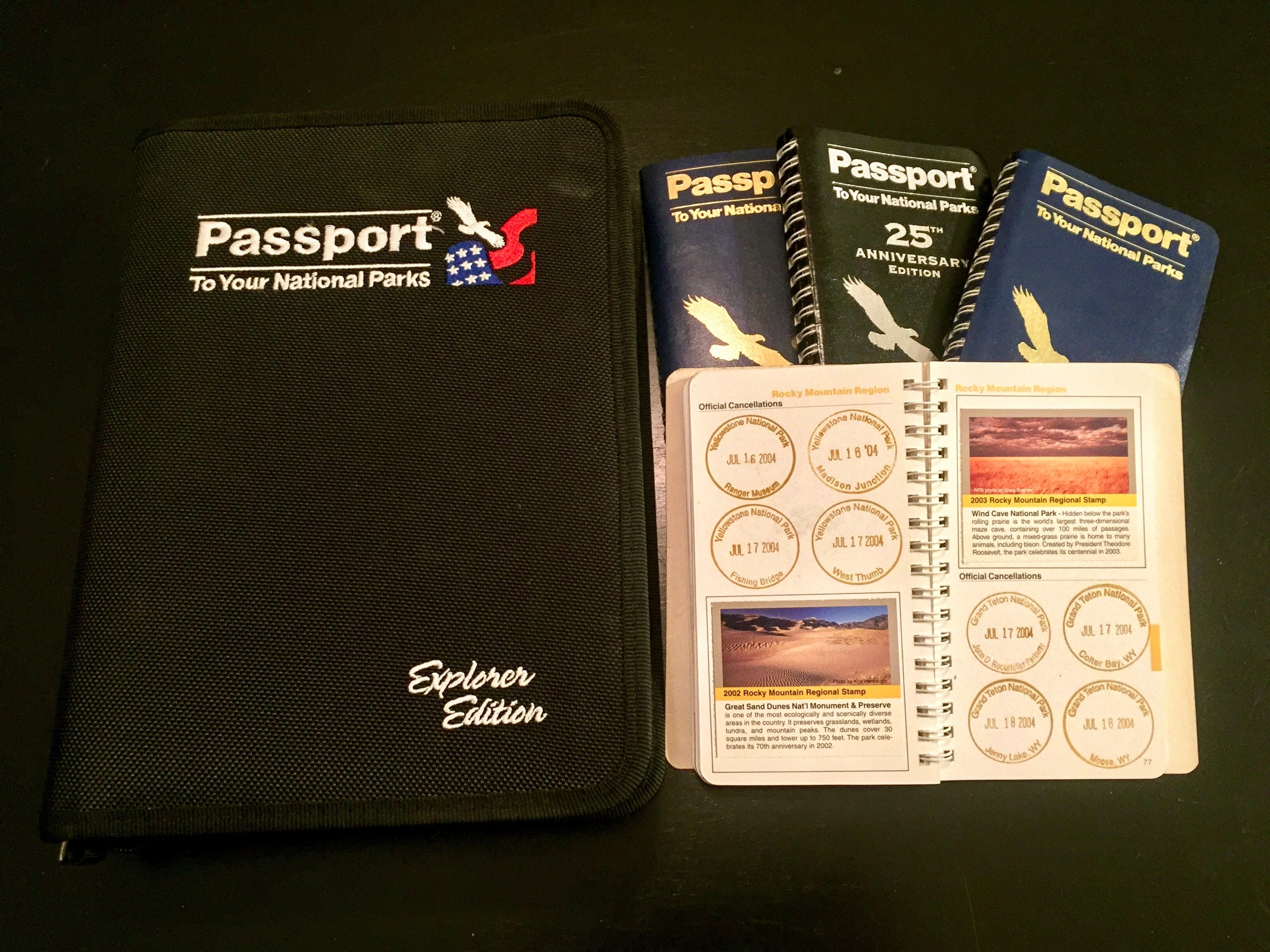
Note: if you're adopted a quest to visit all of the national parks, I've made a spreadsheet counting tool available at rscottjones.com/countparks. Download a copy or add it your Google Drive to edit it.
Know your number
You'll always want to know what your current "number" is, meaning how far along your quest you are. When someone asks you for an update, you should be able to easily answer ("I've been to 88 countries, just 12 more to complete my quest!"). And when you mention your quest to someone, expect their first question to be how close you are to finishing. Also, by keeping track of where you stand on your quest, you'll help stay motivated to continue increasing that number.
Establish and celebrate milestones
If you've adopted a long quest that'll take a number of years (or even decades) to complete, then it's worthwhile to add some intervening milestones to shoot for. I like attaching some deadline goals for some of these to help ensure that you remain on track for completing the larger quest. Be sure to celebrate completing each of these milestones, too—you deserve it.
Visualizing your progress
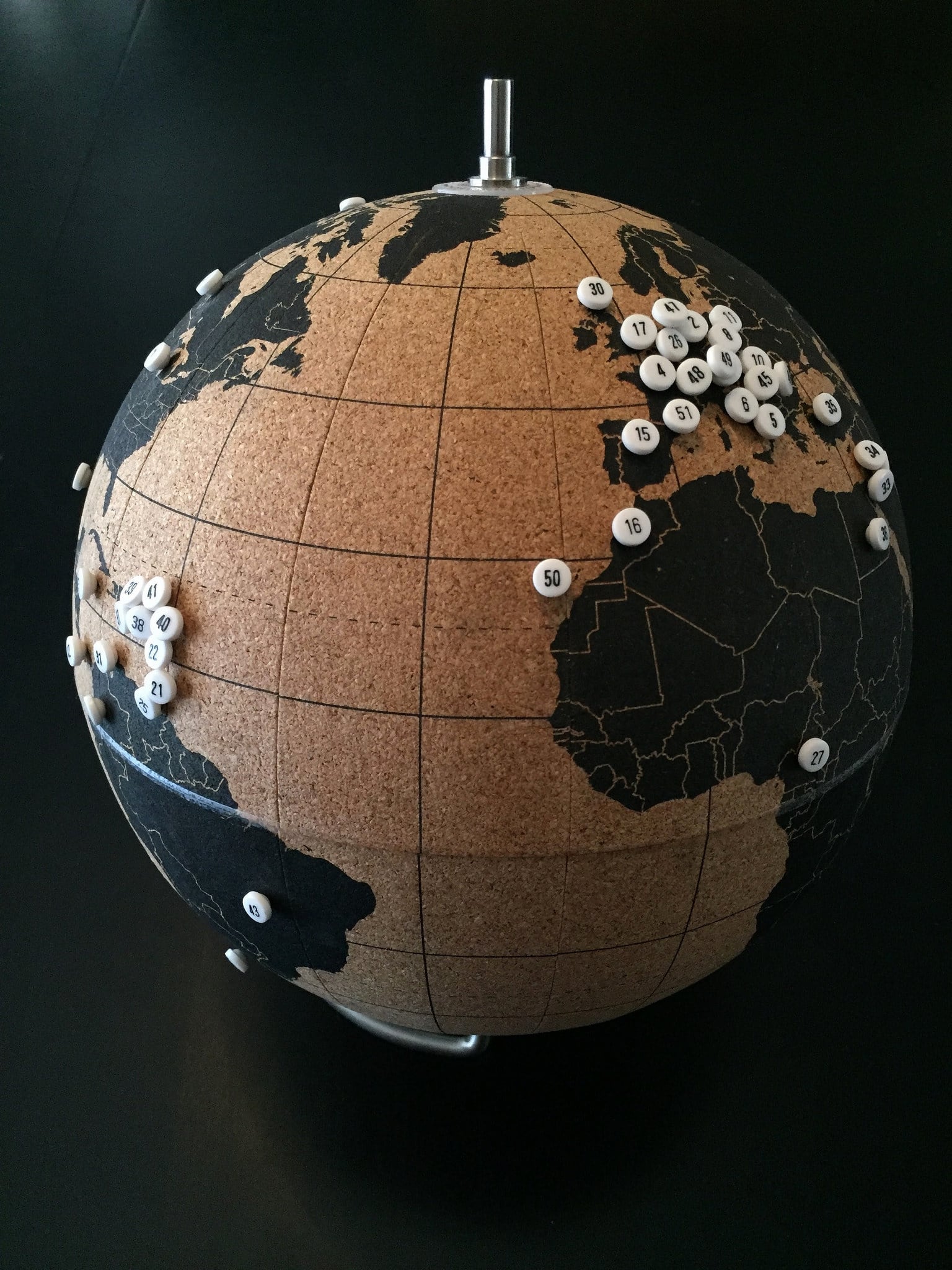
Visualizing your progress is an especially fun part of quests. If you've adopted a common quest, like visiting all of the national parks, visiting all 50 states, or marking off countries, you'll have quite a few options at your disposal. There are a variety of products, from cork-backed wall maps to scratch off wall maps, and cork globes to image-generating apps—and quite a few other options, too. You can personalize your own paper map by taking a highlighter to the places you've been, or photoshopping a digital map, or by simply hanging postcards on the wall.
No matter which approach you choose, I recommend doing something to show the progress you've made. Not only is it a great reminder and motivator to keep at it, but it's also a celebration of your efforts to date.
Documenting your journey
Depending on how you go about doing it, documenting your quest travels can seem nearly as time consuming as actually doing it. But that's a big part of the experience, too. Most everyone takes photos and/or videos of their travels, and you should too. However, don't rely solely on capturing everything via social media—and especially not in nondurable formats that disappear after 24 hours. These are memories you want to keep, after all.
I also strongly recommend blogging or journaling about your quest, too. Don't worry if you're not especially disciplined in doing it, or if you end up with big gaps. Something is better than nothing. Just the act of reflecting on your trip can make it more meaningful and tease out some unexpected insights. You may also come to appreciate the time you took to record a bit about your trips in subsequent years. Failing to do a better job of that and relying on memory recall alone is a common regret among longtime travelers.
Examples of popular quests
Probably the most popular quest of Americans is to visit all 50 states. Quite a few are also counting countries or national parks. Others are trying to catch a game in every MLB ballpark or NFL stadium. There really are a countless number of quests that you could adopt. I've included some sample ideas in the sections below to get your imagination primed.
[powerkit_tabs type=“tabs” nav=“horizontal”] [powerkit_tab title=“Local”]
Local quests are excellent ways to explore beyond your own neighborhood. Many of these amount to “mini quests” that are easily accomplished over the course of a few weeks or months. Obviously, these quests vary substantially depending on where you live. If you live on Maui, then a quest might be to snorkel off every beach on the island; whereas if you live in Kansas City, it might be to eat at every BBQ restaurant.
Here are some ideas to get you thinking:
- Picnic in every city park
- Hike every official trail
- See a movie in every theater
- Play every golf course
- Swim in every public pool
- Enjoy a staycation at every resort
- Eat at every sketchy Chinese or Mexican restaurant *
- Sip coffee at every coffeeshop
[/powerkit_tab] [powerkit_tab title=“State/Regional”]
Quests that cover your own state or province are probably the best ones to start with. They offer a bit more of a challenge than local quests, and there tend to be a sufficient number of destinations—such as counties or state parks—to make the quest both challenging yet accomplishable.
- visit every county
- enjoy a pint at every brewery or a glass at every winery
- tour each history or historical society museum
- hike in every designated Wilderness Area
- play a round at every golf course
- visit every state or provincial park
- cruise every scenic drive or backcountry byway
- explore every accessible National Natural Landmark
- summit every county high point
- stay in each historical hotel
- enjoy every zoo
- conquer all the Colorado 14ers
- climb each of the New England 4000 footers
- summit the closest 50 peaks to your house
Quests start to get quite a bit more challenging when they span the entire country. For many, this is the sweet spot for lifetime quests. You’ll end up doing a lot of domestic travel, but much of it can be done by car and you don’t have to worry about visas, currencies, or foreign languages.
- visit every state or province
- hell, visit every territory, too
- tour every National Park
- catch a game in each stadium or arena of your favorite sports league
- mark off every county
- drive every interstate highway segment
- tour every State Capitol building
- recreate in each National Forest
- visit all the sites associated with the Manhattan Project
- swim in all 5 Great Lakes
- take a selfie on every State High Point
- section hike a long distance trail
- marvel at all three World's Largest Balls of Twine
- summit 500 total peaks
- Presidential birthplaces, gravesites, or libraries
Obviously, these quests tend to be the most difficult, as they require the most travel to complete. But, wow, what adventures you’d have!
- stay overnight in 100 countries (or all of them)
- snap a selfie in each of the Seven Wonders of the World
- pay your respects at the holy site of every major religion
- step foot on all 7 continents
- stand in line at every Disney theme park
- visit 100 UNESCO world heritage sites
- complete the Seven Summits
- call your mom from every country in Europe
- sail on every ocean
- visit a town in every timezone
Have you adopted a quest?
If so, let me know what you quest is in the comments below—and be sure to tell me how far along you are.
In defense of traveling fast
"Wow, that sounds exhausting. I think I'd rather just spend more time at one place," she replied after hearing my itinerary.
I responded with a knowing nod. I understood why she felt that way. For many people, a vacation is all about slowing down, about relaxing. It means sleeping in, having nowhere to be, and taking one's time.
The concept of slow travel is generally revered among travelers. Countless books and blog posts extol the virtues of slowing down so as to "authentically" and intimately experience a specific place. And there's a lot to be said for that. There is absolutely nothing wrong with this approach; immersive travel is an amazing way to experience new places.
But it's not always the best approach for everyone. In fact, the push for slow travel as the single "best" or "right" way to travel seems a bit disingenuous. Like most people, I don't have gobs of time available to devote to a single destination. I simply have too many restraints on my travel opportunities—and faaaaar too many places I want to visit—for slow travel to be a viable strategy for each of my destinations.
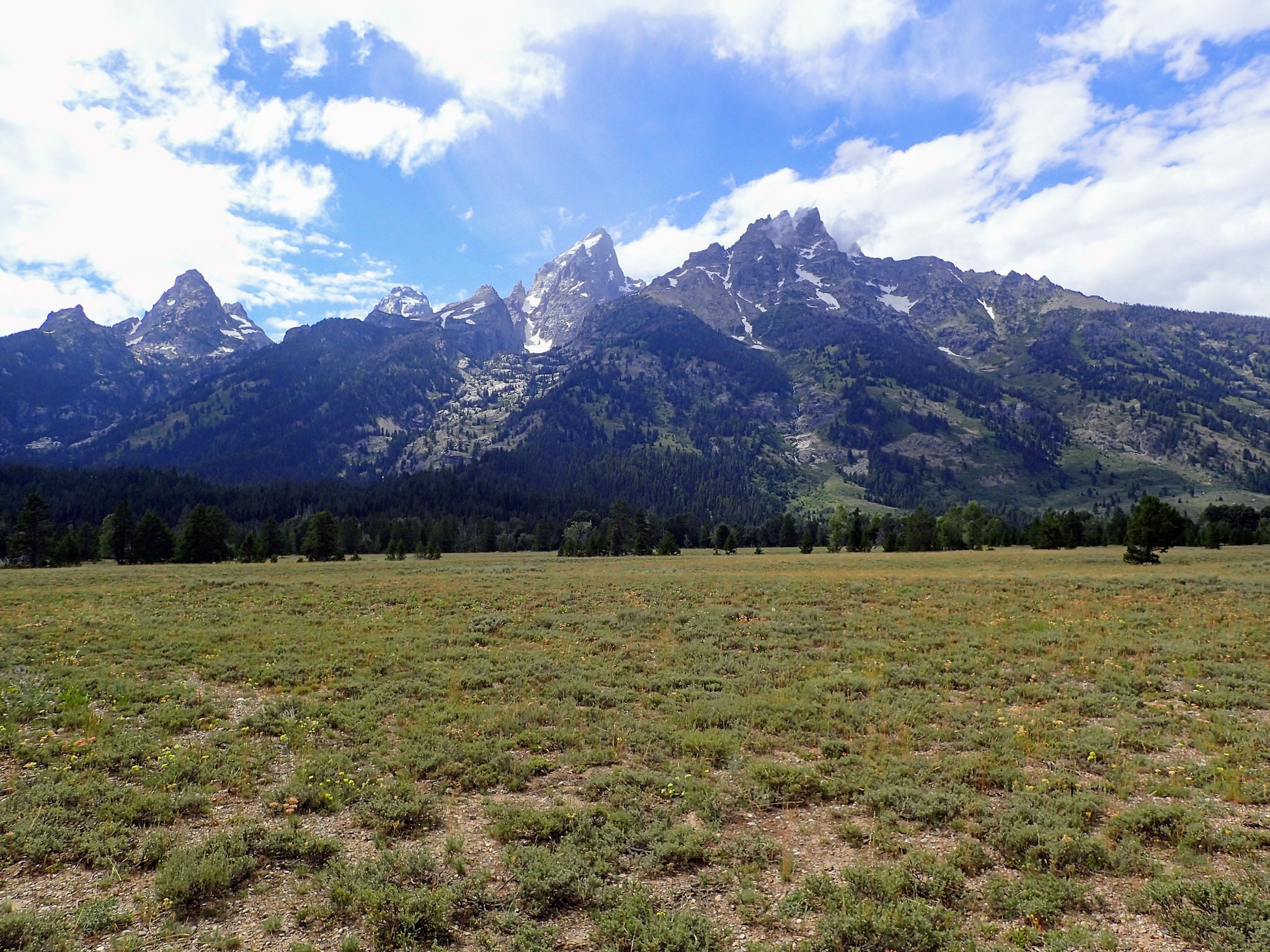
In practice, many people don't spend the extra time they might devote to a destination to truly getting to know that place, anyway. Instead, they might spend much of it cooking a more elaborate meal at the campground, drinking for hours by the campfire, or just reading a random novel in a hammock. Each of these can be a fun way to spend your weekend, but they're often totally devoid of place. After all, you could be doing them just about anywhere, and they add nothing to further experiencing a specific locality. In effect, those travelers have traded time they could have spent seeing something they've traveled great distances to experience for the opportunity to cook bacon and eggs and lounge around camp in the morning.
To me, fast-paced travel is about seeing and experiencing more of the places you do visit, or visiting more places than you otherwise might. It's about considering the opportunity costs at play and deciding in favor of seeing more of the unique places you can't easily otherwise see, rather than spending that time doing something that's routine or commonplace. It's about maximizing your opportunities to experience places, not shortchanging them (as it's often portrayed). What motivates me is that, by traveling fast and efficiently, I can sometimes even add bonus stops to my itinerary, or have extra time for spontaneous or unexpected activities.
"You can't see Yellowstone in a day and a half," she denounced. "Wouldn't you rather just go when you could visit for a whole week instead?"
"No, you certainly can't see it all. But you can sure see a lot of it, and that's vastly better than seeing nothing," I responded. That's always been my philosophy, at least.
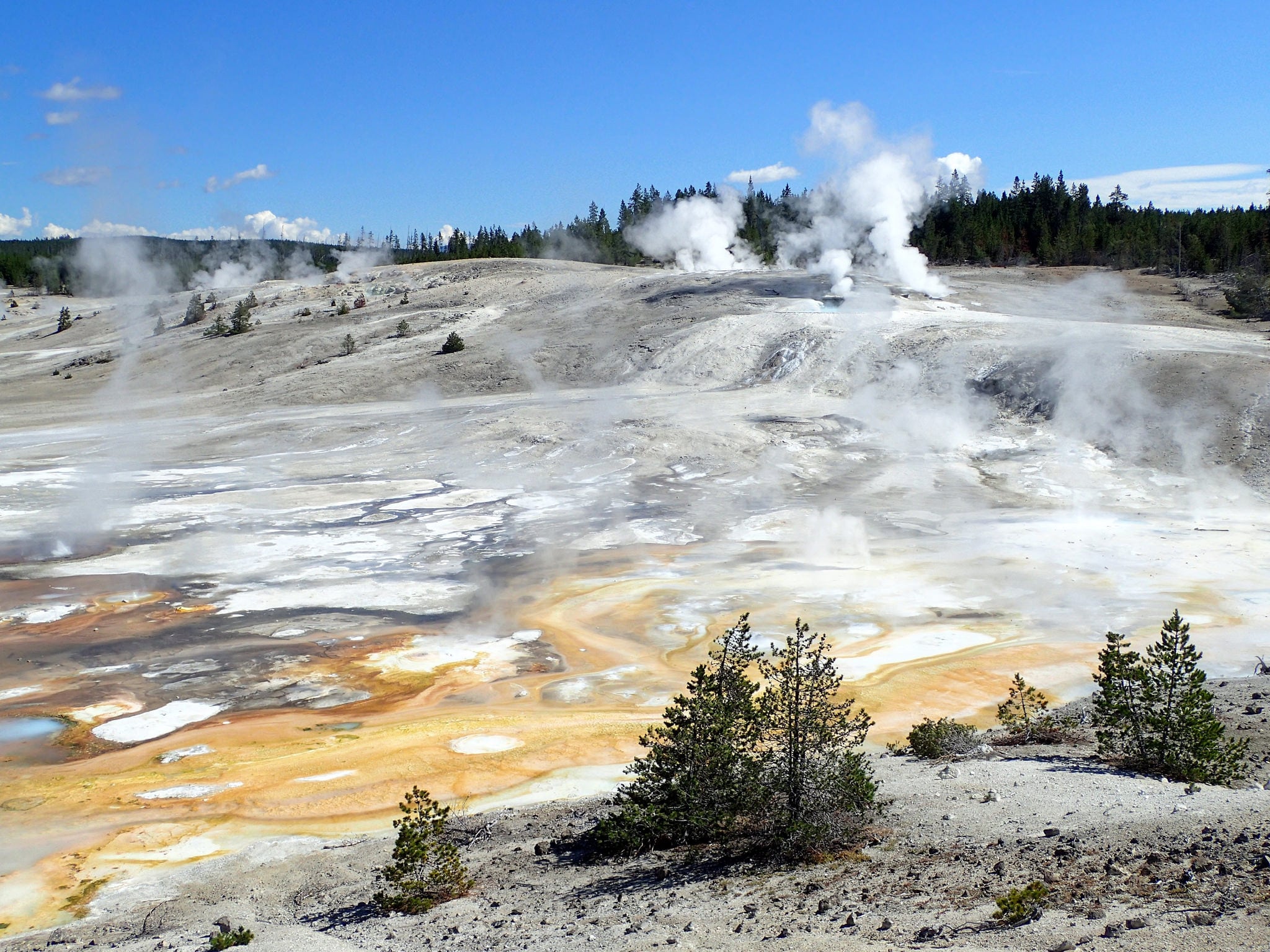
After all, waiting for the ideal trip is often a fool's errand. You may never have such an opportunity. They say there's no "right" time to have a baby. Similarly, there is unlikely to be a perfect time for a specific trip. Perpetually postponing travel for a mythical ideal opportunity in the future usually means that the trip in question simply never happens. Instead of focusing on what you can't accomplish during a short visit, consider what experiences you can have. You'll be surprised at the good time you can have just popping into a national park along your route for an hour or two. At the very least, it might be enjoyable enough to inspire you to prioritize a return visit.
So just go and see what you can, when you can, even if it's not exactly the absolute perfect visit.
What I'm not arguing
That doesn't mean you shouldn't be strategic when scheduling or planning trips. If you can legitimately postpone a visit until a substantially better time—one that's actually likely to happen—then it probably makes sense to do so. I'd much rather visit Death Valley National Park for four days in February than for a single day in July—but only if that February trip was actually something that was likely to happen. After all, an abbreviated trip to the scorching hot park—even in the dead of summer—is better than never getting there at all.
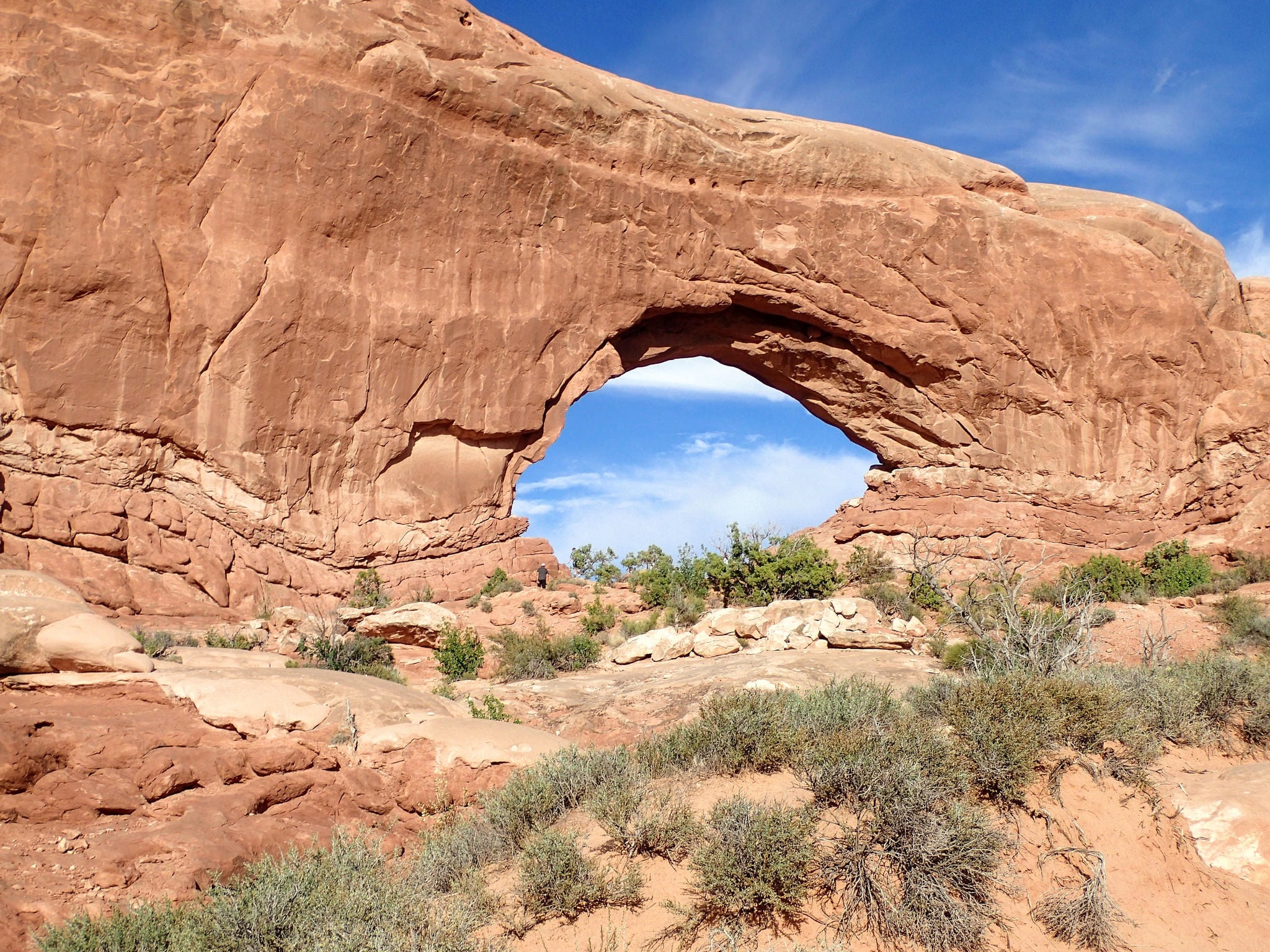
Similarly, if I have three things I absolutely want to see in the Philippines and I'm unlikely to get back there anytime soon, then making sure that I schedule enough time to visit those three things during my trip is entirely appropriate.
I'm also not arguing that you should ensure that your trips feel overly rushed. That's not the point, either. The goal here to increase your travel efficiency so that you can maximize the amount of time you spend seeing stuff you want to see—not simply so you can rush through every possible experience.
That said, I often do employ the 80/20 rule when it comes to my travel activities. That is, the things that bring me 80% of my joy during a trip tend to come from about 20% of the time I spend in various activities. As it becomes more obvious what activities that 20% includes, I strive to do those things more frequently. For instance, if I'm touring yet another historical house from the early 1900s, I might move more quickly through interpretative displays (of concepts I'm already familiar with) in order to spend more time learning about the specific historical figures that lived there. For me, the 80/20 rule helps ensure that I'm spending my time wisely.
Benefits of traveling fast
You get to see more places
This one is the most obvious benefit—and probably the most important one, too. It's pretty simple, really. By not wasting time on inconsequential things, you get to spend more of your time visiting other places. I'll gladly forgo a sit-down meal in favor of a quick sandwich if it means I can add a stop at that petroglyph panel that's not far off our planned route.
You get to see more of each place
Traveling fast isn't just about getting to stop at additional destinations. It's also about making more time for the destinations you're already at. By ensuring that you prioritize the time you spend actively experiencing places, you'll naturally get to spend more more time enjoying each destination.
You'll be better informed for future trips
Even if you don't get to spend as much time as you'd like at a destination, a short visit can often help better inform a return trip. You'll have a better sense of the place, usually have access to additional materials (like maps and brochures) and can often inquire for some recommendations. Quick drop-ins to help scout a destination can really help you plan a better, more complete return trip.
A few tips on how to travel faster
There are a variety of strategies for getting the most out of your trips. Here are some of the ones I most often employ; while many of these are roadtrip-centric, the underlying strategy can be applied to other types of trips, too. Pick and choose which ones might be the most effective for your own travel.
Prepare an itinerary
One of the best reasons to prepare a rough itinerary is so that you don't waste time researching what to do after you've already arrived. Knowing what you're interested in doing before you get there is a great way to save time. Now, that doesn't mean that you can't be spontaneous. Indeed, having prepared a rough itinerary can actually aid in being flexible, as you already know what you'll be giving up or how to reconfigure your trip to allow for this new activity. Best of all, you won't end up standing in a visitor center negotiating with your travel partner what you should do first.
My trip itineraries often include what I like to think of as "bonus" items—destinations or activities that aren't part of my planned itinerary but can be added (or substituted) when appropriate. That allows me to quickly add an additional stop if I'm running ahead of schedule, or to easily shift to a better activity if bad weather thwarts my original plans. Since I try to overestimate how much time I'll need at various destinations, I often find myself adding several additional stops during road trips. It's a great feeling to have extra time to add even more fun stuff than you had originally planned. Keeping track of these places using a custom google map makes the whole process even easier.
Keep things simple
Keeping it simple is often good advice no matter how you're traveling. But it's especially useful when you're trying to reduce wasted time during a trip. You can apply this strategy in a variety of ways. For me, I tend to focus in on food and gear. That means choosing meals that are relatively easy to prepare and require fewer ingredients and cookware. That way, I'm not spending excessive time preparing complex recipes and washing countless dirty dishes.
For me, it also means only bringing gear that I'm actually likely to use, so I don't have to spend extra time managing stuff I never end up using. That doesn't mean that you shouldn't be prepared for possible weather conditions, or that you can't bring a luxury item that you might not get a chance to use but really want anyway. But if you've brought your GoPro on your last five trips and never gotten around to powering it up, maybe it's time to leave it (and its countless accessories) at home.
Prep what you can before the trip
As much as possible, I try to prep food and other gear before I leave my house. For instance, I'll often get future meals prepped ahead of time by chopping any vegetables I'll need, measuring out ingredients, and putting everything together in a ziplock bag. That makes cooking both quick and easy while also limiting the number of dishes I have to clean, too. Similarly, packing your daypack ahead of time for that first hike will save you from pulling apart the car to assemble what you need when you get to the trailhead. Putting together activity-based kits, such as a grab-and-go bag of everything you need to shower at a campground, is also a simple way to prep for your trip. Best of all, once you get these things organized once, it's easy to keep them ready-to-go for future adventures, too.
Stay organized
This item probably goes without saying. The more organized you are, the easier it is to travel quickly. For me, being organized is all about having systems that work for how I travel. It's one of the reasons I love having a camping bin, why I try to pack my vehicle the same way each time, and why I create detailed trip docs with all of the relevant trip information listed on one master google doc. Each of these helps keep me organized, which means I waste less time managing my stuff or figuring out trip logistics while I'm on the trip.
Consider the trade-offs
The most important tip in this post is to consider the trade-offs you unconsciously make during a trip, then to choose the option that lets you maximize the unique experiences you can have while traveling.
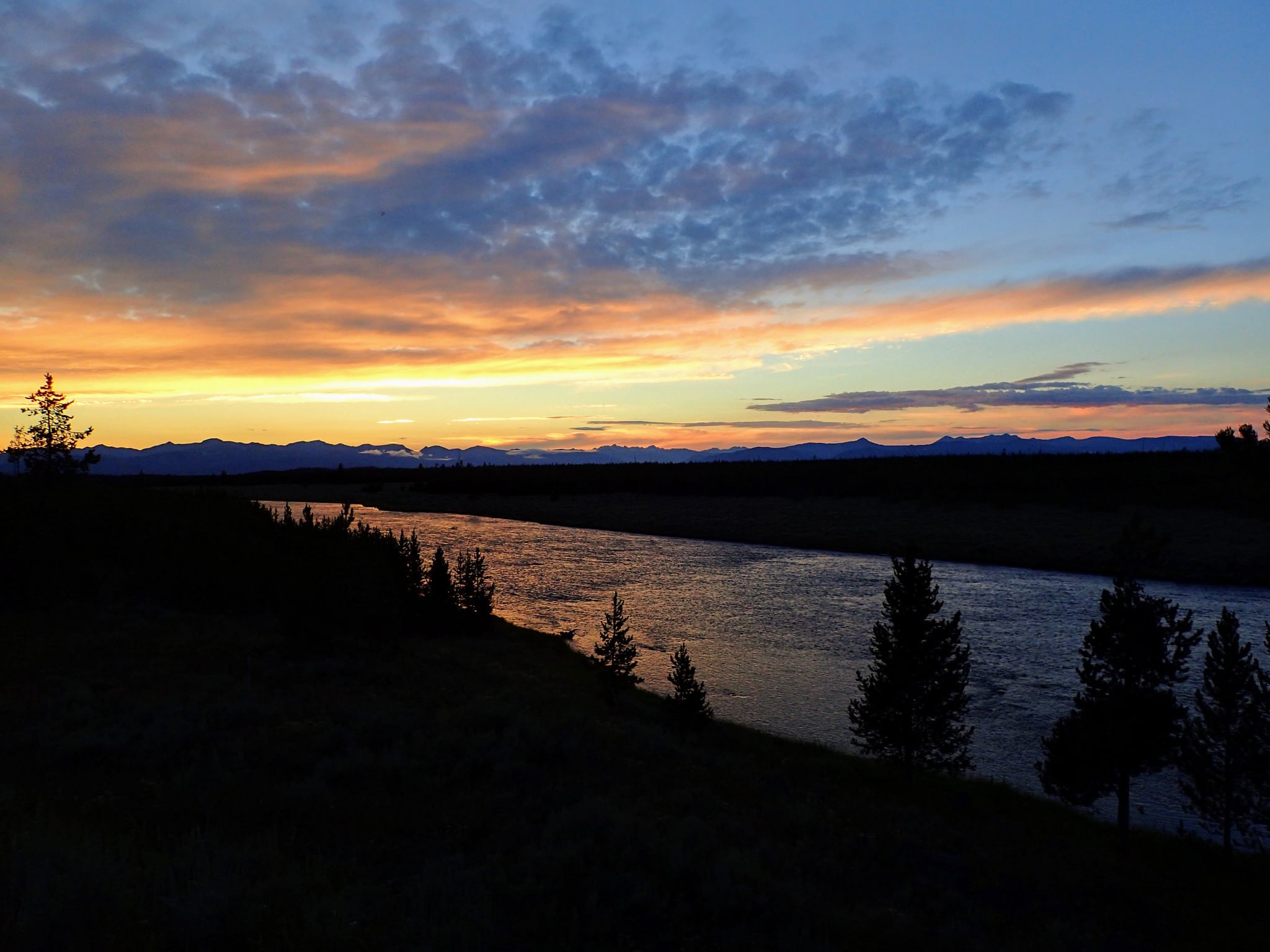
For instance, I recently had only 1.5 days available to spend in Yellowstone National Park during a road trip. Even though my buddy and I had brought plenty of food to cook and were trying to travel cheaply, we opted to eat dinner at the park. By doing so, we were able to spend three additional hours in the park instead of heading back to camp to cook when we got hungry. Having three more hours to visit the geyser basins was worth the extra $9 we spent on food that day. Similarly, instead of spending an hour cooking and eating breakfast and then cleaning up afterwards, we opted to grab a quick fast food breakfast sandwich on the drive instead. Sure, it was less enjoyable of a meal, but we were more than willing to trade that subpar breakfast for some extra time enjoying the geothermal wonders of a park we so rarely get to visit.
Now, the point here isn't to inspire you to order more crappy fast food, but it's to think about what trade-offs you're making and what's most important for you. In our estimation, eating a quick $5 burger and getting an extra hour in the national park easily outweighed enjoying the breakfast we would have cooked for ourselves. Your mileage may vary, of course, but consciously considering these trade-offs is the important thing.
Arrive late, leave early
I'm referring to your accommodations here, not your intended destination. Arriving too early at your campsite or to your hotel room means you've left some valuable time unused. Since I try to soak up every ounce of daylight seeing things that matter to me, campsites or hotels are mainly just places to sleep and shower before I'm off on the next day's adventures. For instance, I couldn't tell you the last time I turned on a hotel room television. Why would I? I arrive well after dark and head to bed quickly, then depart as soon as I'm ready in the morning. I can watch tv any time I want at home, but I can't spend that time enjoying a distant national park.
Set up camp in the dark
I regularly hear people say that, above all, it's important that they set up camp "before it gets dark." I wholeheartedly disagree. Unless you're searching for dispersed camping, setting up camp in the dark is no big deal. Indeed, in nearly every developed campground you'll find, it's a virtually identical endeavor as setting up in the daylight. The only difference is that you've traded precious daylight you could have used adventuring for time spent in what's likely just a run-of-the-mill campground. Today's tents are incredibly easy to set up; you'll do just fine using a headlamp. Spend 10 minutes trying it out at home first and you'll be all set.
Skip time-fillers that you can do anywhere
While I'm traveling, I try to reduce the number of activities I could otherwise do anywhere else, like watching tv or reading a book. If it's not something that is adding a new experience—especially one that I can only have at my destination—then I do my best to skip it. Now, that's not saying that you shouldn't brush your teeth in the morning, or take a shower unless you're doing it under a backcountry waterfall. But if the choice is between watching another Law & Order rerun in your hotel room versus staying out an extra hour to hear the Yellowstone wolves howl, well...I'd choose the latter.
Drive at night
Whenever possible, I schedule the long drives between major destinations for after the sun has set. That way, I'm not wasting daylight in the car just staring down the highway when I could otherwise use it to enjoy a canyon vista or watch some elk graze in the meadow. There are sometimes additional considerations here, especially for areas with high deer populations or for those who struggle with night driving, but the general strategy here is to minimize the amount of useful sightseeing time you spend stuck in a moving car. Obviously, if your intended destination is a scenic drive, well then, schedule accordingly.
Make good use of time in the car
Most trips require substantial time in either the car or in a plane, train or bus. While it's easy to see this solely as "lost" time, there are a variety of ways to help pass the time while improving your trip. You can do this by researching what activities to prioritize at the next stop, researching other nearby destinations you might want to add to your itinerary if time allows, creating shopping or other task lists for your next stop, deciding where you might want to eat dinner, or revising other trip logistics. It's also a great time to complete any tasks that might otherwise subtract from your available time or attention at future destinations, whether that's posting to social media, providing updates to family members, or catching up on critical work emails. It's also a great time to journal or think about what you've seen during the day.
"This all sounds exhausting"
I know, I hear you. And truth be told, sometimes traveling fast is.
Sometimes that's just the trade-off I'll happily make to see and experience as much as I can during a trip—a trip that's rarely as long as I'd like it to be. Traveling fast is all about maximizing the amount of time you have available for seeing new places (or returning to your old favorites) during the limited time most of us have available for travel.
I'm not here to convince you that this is the only way you should travel. It's not even the only way I myself travel. I'm simply arguing that it's a viable approach for many, and one that provides some great experiences that can't easily be duplicated. Even if you're still a bit skeptical about parts of this, I hope you can glean a few tidbits that will enhance your next trip.
Have some additional tips to share? Want to chat about this? Contact me.
How to 'Leave No Trace'
If you've spent any time recreating outdoors, you've undoubtedly heard the phrase "leave no trace" or seen the popular acronym, LNT. But do you know what it really means?
Below are the seven major Leave No Trace principles, along with some bullet-point examples of what each one looks like in practice. Click on any principle title for an even more detailed explanation and additional resources. Want to learn even more? Complete the online awareness course or attend one in-person.
It is our responsibility as users of our public lands to ensure that our recreational activities don't impair these places. Please, do your part.
The Leave No Trace Seven Principles
Plan Ahead and Prepare
- Know the regulations and special concerns for the area you'll visit.
- Prepare for extreme weather, hazards, and emergencies.
- Schedule your trip to avoid times of high use.
- Visit in small groups when possible. Consider splitting larger groups into smaller groups.
- Repackage food to minimize waste.
- Use a map and compass to eliminate the use of marking paint, rock cairns or flagging.
Travel and Camp on Durable Surfaces
- Durable surfaces include established trails and campsites, rock, gravel, dry grasses or snow.
- Protect riparian areas by camping at least 200 feet from lakes and streams.
- Good campsites are found, not made. Altering a site is not necessary.
- In popular areas:
- Concentrate use on existing trails and campsites.
- Walk single file in the middle of the trail, even when wet or muddy.
- Keep campsites small. Focus activity in areas where vegetation is absent.
- In pristine areas:
- Disperse use to prevent the creation of campsites and trails.
- Avoid places where impacts are just beginning.
- In popular areas:
Dispose of Waste Properly
- Pack it in, pack it out. Inspect your campsite and rest areas for trash or spilled foods. Pack out all trash, leftover food and litter.
- Deposit solid human waste in catholes dug 6 to 8 inches deep, at least 200 feet from water, camp and trails. Cover and disguise the cathole when finished.
- Pack out toilet paper and hygiene products.
- To wash yourself or your dishes, carry water 200 feet away from streams or lakes and use small amounts of biodegradable soap. Scatter strained dishwater.
Leave What You Find
- Preserve the past: examine, but do not touch cultural or historic structures and artifacts.
- Leave rocks, plants and other natural objects as you find them.
- Avoid introducing or transporting non-native species.
- Do not build structures, furniture, or dig trenches.
Minimize Campfire Impacts
- Campfires can cause lasting impacts to the backcountry. Use a lightweight stove for cooking and enjoy a candle lantern for light.
- Where fires are permitted, use established fire rings, fire pans, or mound fires.
- Keep fires small. Only use sticks from the ground that can be broken by hand.
- Burn all wood and coals to ash, put out campfires completely, then scatter cool ashes.
Respect Wildlife
- Observe wildlife from a distance. Do not follow or approach them.
- Never feed animals. Feeding wildlife damages their health, alters natural behaviors, and exposes them to predators and other dangers.
- Protect wildlife and your food by storing rations and trash securely.
- Control pets at all times, or leave them at home.
- Avoid wildlife during sensitive times: mating, nesting, raising young, or winter.
Be Considerate of Other Visitors
- Respect other visitors and protect the quality of their experience.
- Be courteous. Yield to other users on the trail.
- Step to the downhill side of the trail when encountering pack stock.
- Take breaks and camp away from trails and other visitors.
- Let nature's sounds prevail. Avoid loud voices and noises.
These Seven Principles are © 1999 by the Leave No Trace Center for Outdoor Ethics: www.LNT.org.
Why you should join my email list
At just about every outdoor blog, you'll be confronted with a plea to sign up for the email list. That's because email lists are one of the best ways for sites to stay connected with readers. It's the reason I have one.
Following on social media
Relying on social media to catch everyone's latest posts is a hit-or-miss proposition. Social media companies are increasingly using complex and ever-changing algorithms to determine which posts users see and don't see. That means that just following me on facebook, twitter, and instagram doesn't mean you'll actually see the latest posts.
Turn on notifications
But you can increase your chances by turning on notifications. On facebook, go to "Posts from rscottjones.com - formerly Just Get Out More" and the hover over the "Following" button, then select "See First." On instagram, go to @rscottjones, click the three dots for the menu, then select "Turn On Post Notifications." And on twitter, go to @rscottjones_com, click the alarm bell icon, then select "All Tweets." You'll now get a little ping whenever there's a new post.
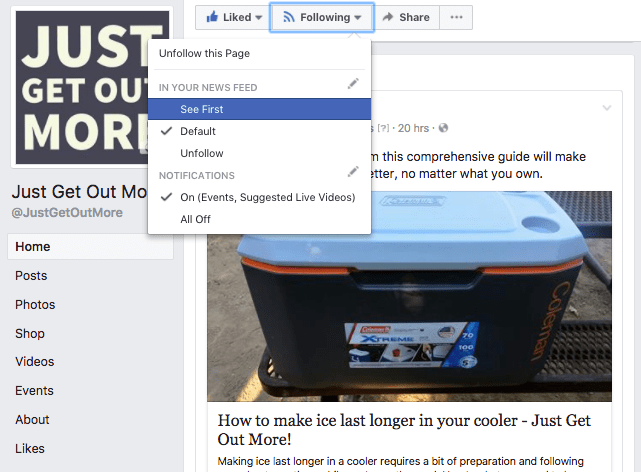
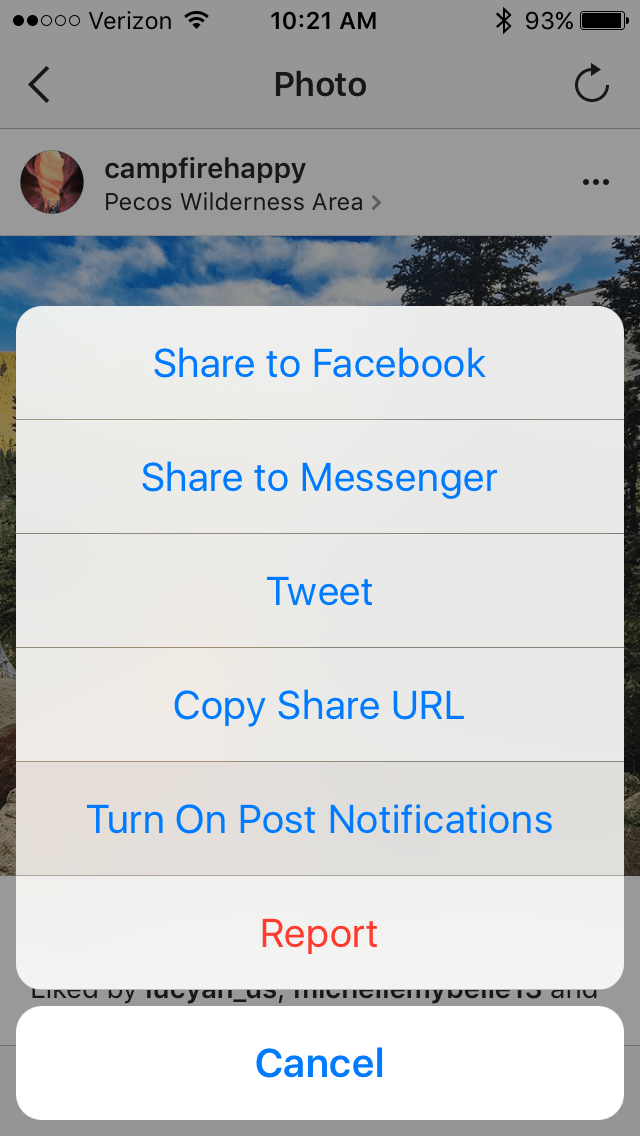
Subscribers get exclusive content
Notifications on social media are great, but joining my email list is even better. That's because I'll be sharing some things exclusively via email—photos from my trips, links to useful articles I come across, and some "insider" tips that won't make it onto the blog.
I'll send these occasionally—maybe more often if there's good reason, or less frequently if I don't have much to share. You won't get a new email for each new post; instead I'll send a digest of sorts.
What you won't get
Spam. Ain't nobody got time for that.
How to create a google map of places you want to visit
This post is primarily a screencast tutorial on how to create a custom google map of places you want to visit—or what I like to call an Adventure Map.
An Adventure Map is a handy repository for all of those places on your OMG-I-Want-to-Visit list. It's a place to store those random campsite tips you get from friends, that instagram post about a backcountry waterfall, or that killer hike your friend just posted on facebook. There are plenty of ways to save this information for later, but I find that a custom map is one of the most useful.
The screencast tutorial
In this tutorial, I show you my personal Adventure Map and explain how I use it. I then teach you how to create your own adventure map. The entire screencast lasts about 27 minutes. If you're in a rush, the tutorial itself starts at the 8:30 mark. I've also added some additional notes below that I didn't mention in the screencast, as well as another short tutorial on how to load your new Adventure Map onto your mobile phone.
Even if you've used Google's My Maps before, I hope there some nuggets that can you can put to good use. If you have additional tips, please leave them in the comments.
Thanks for watching. It's quite a bit longer than I would have liked, and I'm not particularly happy with my performance, but I hope you found it useful. Below are some items I didn't mention in the screencast that you might want to know about.
Additional notes not mentioned in the tutorial
Other ways to add pins
You can also add pins by clicking on the pin icon in the toolbar and clicking directly on the map. This is especially useful if you're setting pins to investigate on the ground later, like possible indian ruins or dispersed camping sites. In addition, you can also search for a location by gps coordinates, which makes it easy to add destinations that you might have found from blogs, guide books, or someone else's custom map.
More on driving, biking, and walking directions
Another method to add driving directions is to click the draw a line tool and select the add a driving (or biking or walking) route from the drop-down menu. Then click where you want the route to start and trace the path you want to the directions to follow. Double click to end the route. This will create a new layer containing the directions. Using this tool, Google will calculate a route based on the roads in its database. So if you start your route 1/4 mile from a road, the directions instead start at the nearest point on the nearest road, and only follow roadways. Awkwardly, this is also the case with walking and biking directions, too. Nonetheless, this is still a useful method when you're trying to force Google Maps directions to follow a particular route.
Drawing lines and shapes
You can also add lines and free-form shapes (using straight lines only) to your map. I find this to be useful when there's an entire area I want to save for future investigation, such as a long wall of petroglyphs, or what appears from satellite view to be a complex of pueblo ruins. Select the draw a line tool, click to add the starting anchor point for the line, then move to where you want the second anchor point to be and click again. You can continue to add anchor points, creating a multiple angled line. When you're done, double-click to lock it in.
Or, if you're adding a shape, follow this same procedure around the edge of the area you want, being sure to end back at the first anchor point. Once you've saved your shape, you can go back and adjust the location of the corners or create a new corner by dragging the dimmed circle that's midpoint on each line. Once you've saved your area, Google will calculate the perimeter distance and area for you.
If you're trying to undo a line or shape, you can easily abort by clicking ESC on your keyboard. If you click ESC again, you'll be returning to the default select mode where you can click to select items or drag to pan the map.
Measuring distances and areas
This tool functions similar to the one used to add line and shapes, except that it doesn't add any permanent items to your map. Instead, it simply shows you the distance of the line, or the perimeter and area of a shape. One useful feature of this tool is that when you're measuring distances, it keeps a running total using "mile markers" along the line path.
How to load your Adventure Map onto your phone
As mentioned in the screencast, one of the benefits of using a custom google map is that you can load it as the base map on Google Maps on your phone. Below is a brief tutorial on how that in iOS.
Here's how to do the same thing on Android. Even better, the My Maps app for Android allows you to create and modify your custom maps directly from your device [edit: the app is no longer available in the play store, perhaps the functionality has been included in the Google Maps app?].
Share some love and pin it

Why you should use a camping bin
You know what sucks? Getting stressed out by packing for what's supposed to be a relaxing camping trip. Yeah, that definitely sucks.
Eliminate packing stress
You can alleviate much of that stress simply by having a camping bin—a plastic storage container already set up with the stuff you need to pack for your average camping trip. Because it's already ready already, you can just grab it and go. Ok, well, you'll probably want some other stuff like a sleeping bag, tent, cooler, and food, too. But having all of the main camp items in one or two ready-to-go bins makes packing a snap.
Makes finding things a breeze
With everything all in one spot, a camping bin also makes it easy to carry your stuff to the picnic table, too. It all stays clean and organized, tucked inside a plastic bin until you need it. You'll be able to quickly find what you need instead of scrounging around the car for various items. That means you'll spend less time managing your stuff and more time enjoying your trip. And best of all, when you're ready to pack up the campsite, it's just as easy to return the whole kit to the vehicle.
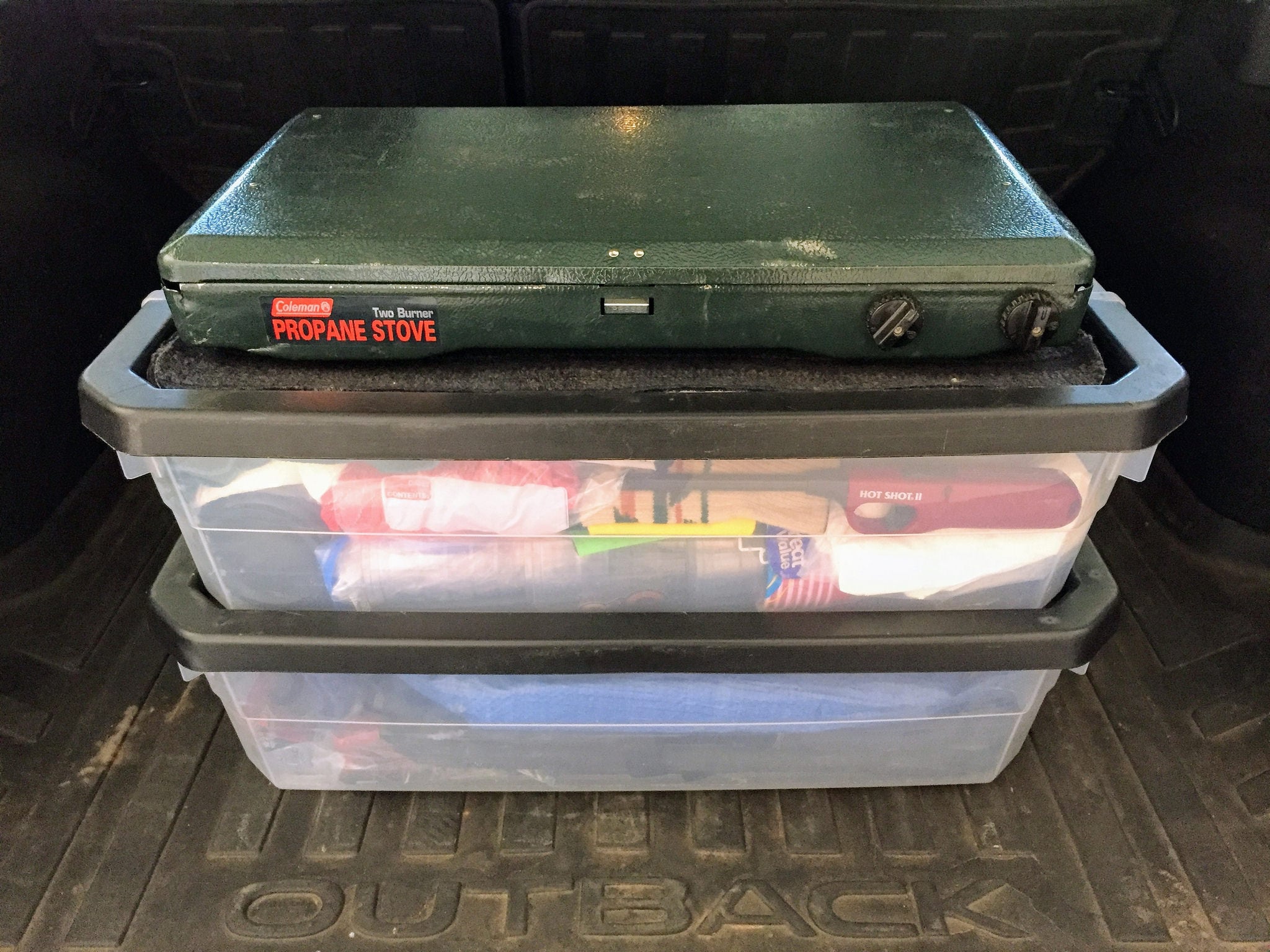
Here's exactly what I use
I've broken down the contents of my various adventure bins below so you can get a better sense of what these look like.
A few caveats
Before you start stalking—or critiquing—what items we bring, I should explain why this kit works well for our needs. First, we have no kids, so everything here is just for us. We're also not huge camp foodies. For some people, camp cooking is the main reason for going camping. That's not us. We nearly always prefer simple to extravagant, and we're usually just cooking for the two of us. We also prep much of the food before we go so we don't have to spend as much time making dinner at the campsite. That makes sense, as we're often just camping to save money on hotels. So your bin may look exceedingly different than ours, and that's totally fine. This is all about putting together a system that works for you.
I should also note that I'm not holding this up as the World's Best Camping Bin™ set-up. It just happens to be what I use—as of today, at least. It'll change over time as I refine further or upgrade. Some of this gear is 20 years old while other components were acquired in the last year. I usually only upgrade gear when there's a substantially better product that improves my experience and seems worth the money. Most of these items are cheap and unspecial in any substantial way. If you're just starting out, I recommend starting with cheaper stuff first and only upgrading later, if it's necessary. Most of the time, it isn't. Keep in mind how incredibly easy it is to overspend on camping gear and save some of that cash for trips instead.
Click to expand or retract each section
Click on the bin name to "open" the lid and peak inside. To head off some anticipated questions, I've linked to a few items that people might want to know more about.
[powerkit_collapsibles]
[powerkit_collapsible title="Main camping bin"]
Main camping bin
What I use this for
This is my primary camping kit—it goes on every single camping trip I take.
I prefer using a shallow bin so that there aren't too many layers of things, which makes it easier to both find and repack items. The 10 gallon "stacker" style bin I use measures roughly 25" x 18" x 7" and has locking handles to keep the lid tightly secured. Two 4 gallon bins stack perfectly on top of this one, as does the 19 gallon version, so there are a lot of options that work well together if I decide to expand in the future. The current bin is fully packed, so there's not a lot of extra room for additional items.
I also keep some cheap Ikea doormats on top of this bin. We use them outside our tent (or vehicle doors, if we're sleeping in the car) to make it easier to put on our shoes after we crawl outside. The doormats fit perfectly on top of the bins and our trusty two burner Coleman stove sits on top of them. This works especially well, as the doormats keep the stove from rattling against the plastic bin on washboarded roads.
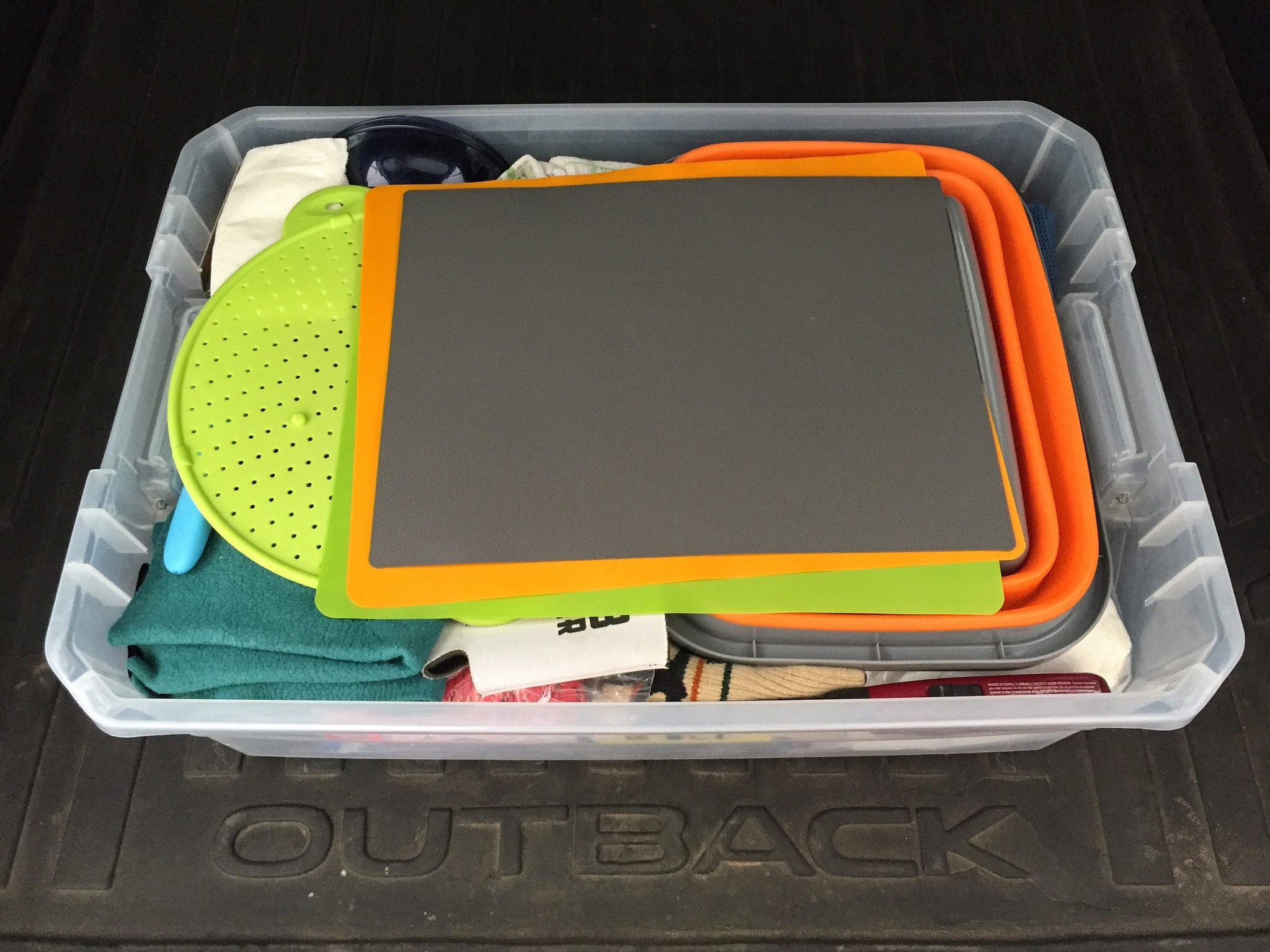
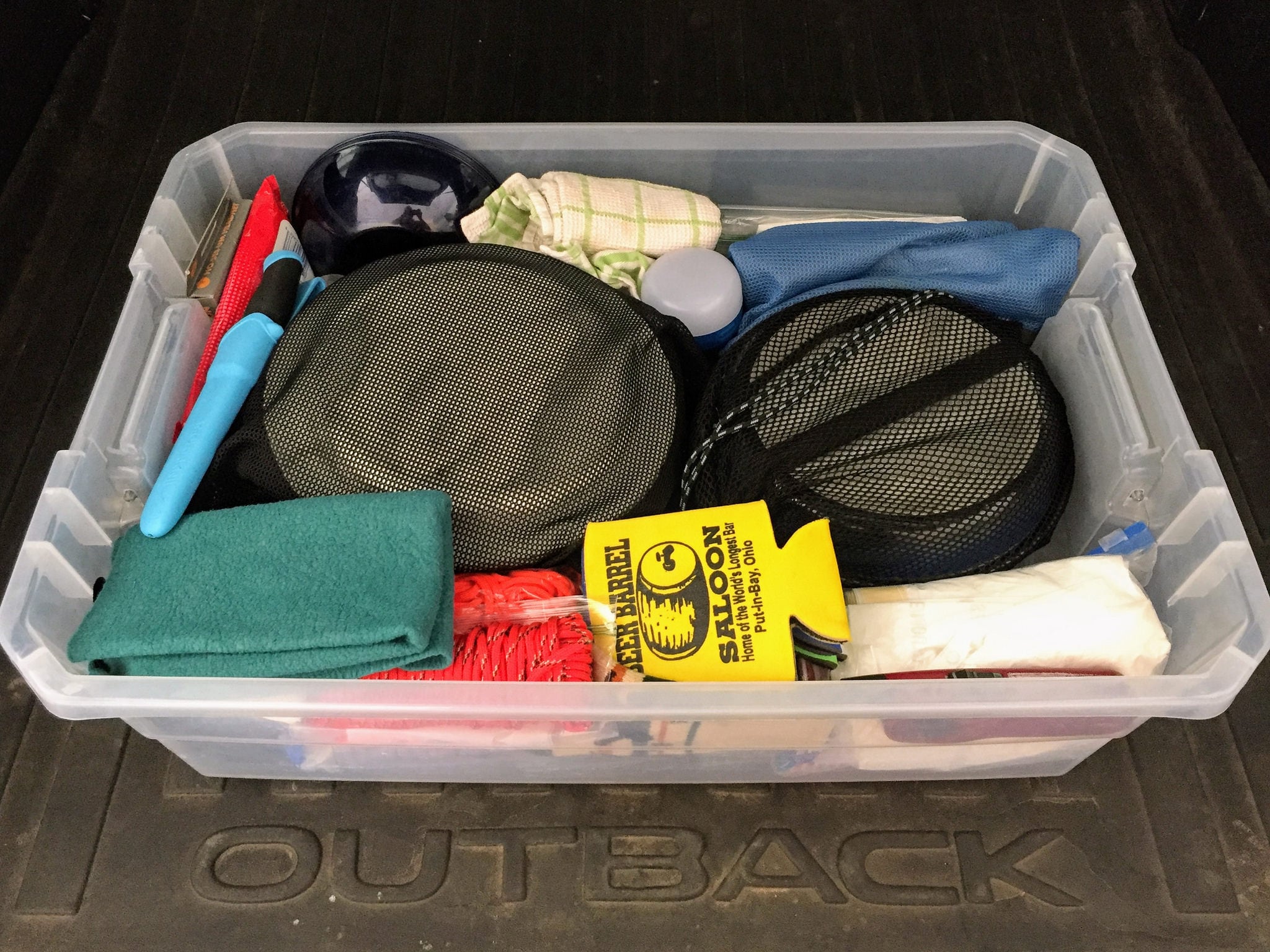
Bin contents
- Flexible plastic cutting boards (3)
- 1lb Coleman propane canister
- Nesting pot/pan set (3 each) & handle (an older version of GSI Outdoors Bugaboo that's sadly no longer available)
- Silicone coaster/pot handle (2)
- Plates (7)
- Bowls (7)
- Disposable paper plates (about 6)
- Butter knives (7)
- Big spoons (5)
- Regular spoons (5)
- Forks (7)
- Spatula
- Stirring spoon
- Tongs
- Camping spatula & spoon set
- Kitchen scissors
- Can opener
- Kitchen knife
- Bottle opener
- Small lantern (2)
- Tervis-style insulated cups w/lids (3)
- Yard trash bags
- Kitchen trash bags
- Paper towels
- 2.5 gallon ziplock bags
- Gallon freezer bags
- Quart size freezer bags
- Beverage koozie (4)
- Para cord
- Bug head nets (2)
- Two-sided dish sponge
- Dish scraper
- Bug spray
- Hand sanitizer
- Wet wipes
- Toilet paper
- Small blacklight
- Lighter
- Dish towel
- Pack towels (3)
- Carabiners (2)
- Medium binder clips (3)
- Spices
Notes
I quickly made a rather poorly-produced amateur video showing all of these items while camping a few weekends ago. I'm (somewhat reluctantly) linking to it here so you can get a better sense of how it all fits together. I'll try to put together a better one in the future.
I keep the serving utensils, cooking utensils, plates & bowls in separate bags. I happen to use some old Eagle Creek travel bags for that, but gallon ziplock would work just fine, too. Also, the utensils, bowls, and plates I use are all lexan-style.
The large 2.5 gallon ziplock bags are used for dirty dishes, when we're feeling lazy and would rather just bring them home to the kitchen dishwater. That probably describes 75% of our weekends. Ok, fine...maybe 90%.
Yes, we bring three flimsy plastic cutting boards, but they're mostly just used as clean surfaces to set food on. We do most of our slicing and dicing back at home before we leave.
I use the binder clips as bag clips for chips and other snacks.
The small blacklight is used to look for scorpions at night. I kinda just tossed it in there one day, but it can be fun to play around with, especially in the desert.
[/powerkit_collapsible]
[powerkit_collapsible title="Campfire bin"]
Campfire bin
What I use this for
This storage container is identical to the one I use for my main camping bin. I bring it when we're planning on having a campfire, or on longer trips when we might have a campfire. It also contains our camp shower, though that rarely gets used unless we're camping for quite a few days—trips in which we'd also likely have a campfire. We might also bring this bin when we might need some shade or rain protection, or expect to sleep in Sam the Subie.
Bin contents
- Plastic serving trays (2)
- Telescoping campfire forks (3)
- Roll of paper towels
- Lighter fluid
- Lighter
- Fire starter
- Hatchet
- Folding saw
- Cooking oil
- Aluminum foil
- Trash bags
- Extra 1lb propane canister
- Utility towel
- Heavier duty plastic shopping bags
- Camp shower
- Para cord
- Bungee cords (4)
- Bag of tent stakes
- Tarps (2)
- Clamps (5)
- Bug netting, blackout cloth, and magnets
Notes
We use the tarps, clamps, bungees, tent stakes, and para cord—along with some telescoping tent poles that get packed with our camp chairs—to create various shelter configurations, often utilizing the roof rack or open rear gate of my Subaru Outback.
The bug netting, blackout cloth, and magnet set is a custom solution I use for covering the windows when sleeping in the car. I'll have more specifics on this in a future post, but it's basically comprised of a set of no-see-um netting and dark "blackout" cloth trimmed to fit my various car windows. I have about two dozen rare earth magnets that I've individually covered with gorilla tape to create a sort of tab so I can easily grab them. I use the magnets to mount the netting or blackout pieces over the open car windows at night. That way, I can have some good airflow without dealing with insects, or sleep through the bright rising sun (or, sometimes, a full moon that's too darn bright).
We use the heavier plastic shopping bags (meaning, the ones just slightly nicer than grocery bags) to hold our clothes and other items when we're using campground showers. Since everything seems to get wet in public showers, the bags help keep our things dry, especially when shower curtains are missing. If we're using our own camp shower, the tarps and related items also allow us to create a makeshift shower privacy curtain if we need one.
The serving trays make it much easier to eat dinner in a camp chair near the campfire. I sometimes snag these for our daytrips too.
[/powerkit_collapsible]
[powerkit_collapsible title="Daytrip bin"]
Daytrip bin
What I use this for
We grab this smaller bin (roughly 16" x 13" x 9") for daytrips, which serves us well for basic picnic-style meals. We tend to keep our daytrip meals very simple, like cold sandwiches and some sides, so there's not much we need. It's rare that we'd heat anything up, so we don't need to bring a lot of gear as a result. To make things easy, we just use disposable plates and bowls from our tailgating supplies.
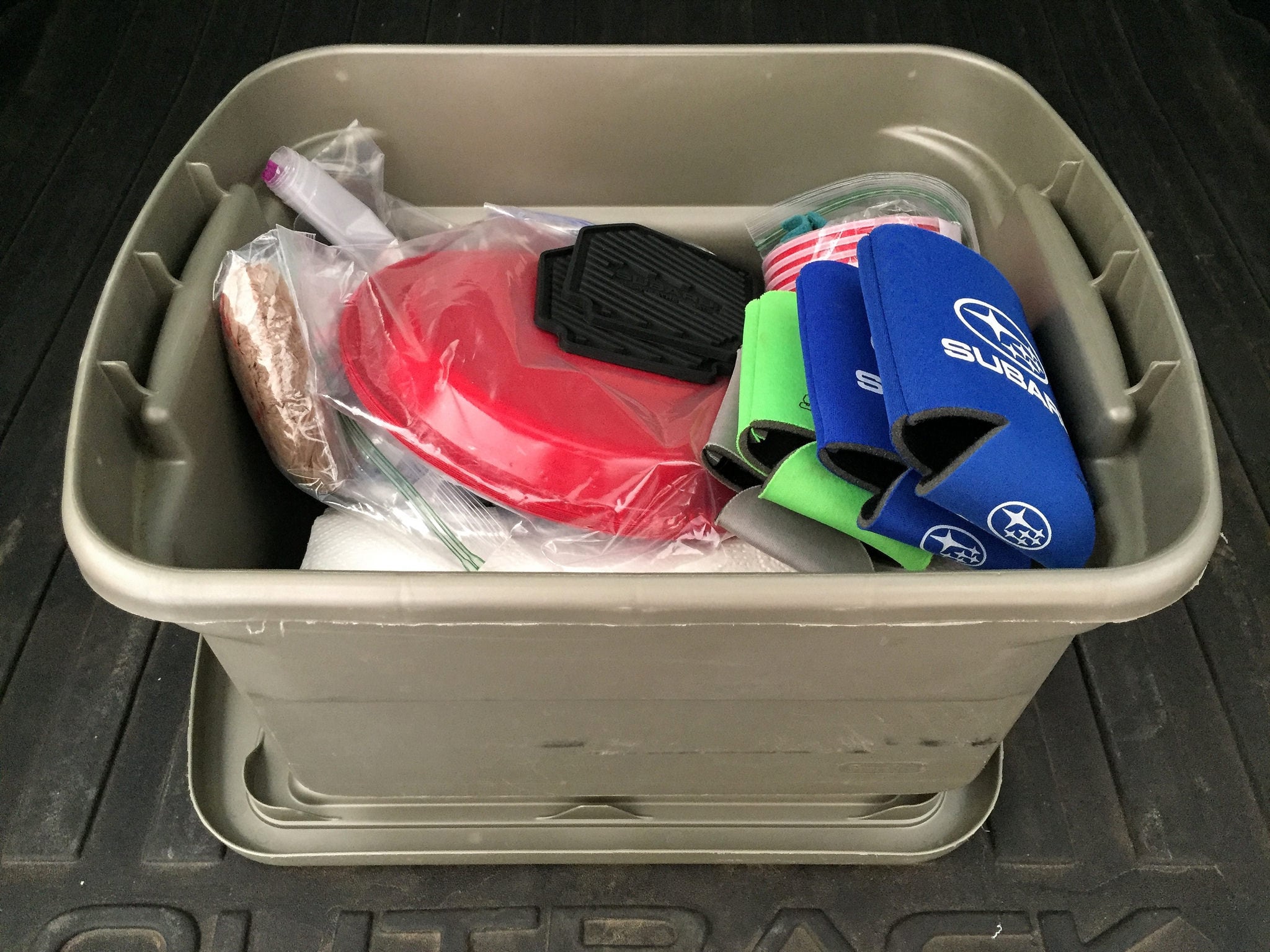
Contents
- Roll of paper towels
- Baggie of shopping bags
- Beverage koozies (4)
- 2.5 gallon ziplock bags
- Gallon/quart/snack ziplock baggies
- Disposable plates & bowls
- Disposable solo cups
- Plastic silverware
- Silicon coasters/pot holders
- Lighter
- Kitchen knife
- Binder clips
Notes
Why have a lighter when there's no stove on the list? Two reasons. First, we might use it to fix the ends of newly cut para cord we might use to string up a shade tarp. On the rare occasion that we do want to heat something up (probably hot chocolate or cider), we would have grabbed my backpacking stove, fuel, and pot—which requires a lighter. Those three items are small enough to toss into this half-full bin, so it's an easier solution that bringing the normal bin.
[/powerkit_collapsible]
[/powerkit_collapsibles]
Creating your own camping bin
Now that you have a sense of what I bring and why I bring it, it's time to put together your own bin. Start with brainstorming the items you'll need. It might help to mentally walk through an average trip. Everyone travels a bit differently, so consider what you'll need and what you don't.
What does your average trip look like?
Are you cooking a big meal, or just roasting some hot dogs? How many people will need plates, bowls, and cutlery? How much food prep will you need to do at camp? What other items will you need access to (such as a can opener, bottle opener, vegetable peeler, etc)? What's your dishwashing strategy? Do you need cups that work with hot water? What might you need for a campfire, if you often have one?
Basically, the point here is just to run through all the usual scenarios you'd encounter and list things you may use. Then, pare down the list to the things that you think should come along every time you go. Those are the items you put in your camping bin.
In addition, consider any items that you should have along, just in case. For instance, I only occasionally use a can opener, but we sometimes buy camp groceries on the drive to the campsite, so I make sure I have one of these in my kit—even though it might only get used once in awhile. Same goes for the bug head net; it's something I might not know to bring on any specific trip, but would dearly miss if I did need it. Be careful with how many "just in case" items you bring, though; it can be easy to end up with a cluttered mess of rarely used items.
How will the bin fit in your vehicle?
This might sound a bit silly at first, but I assure you it's not.
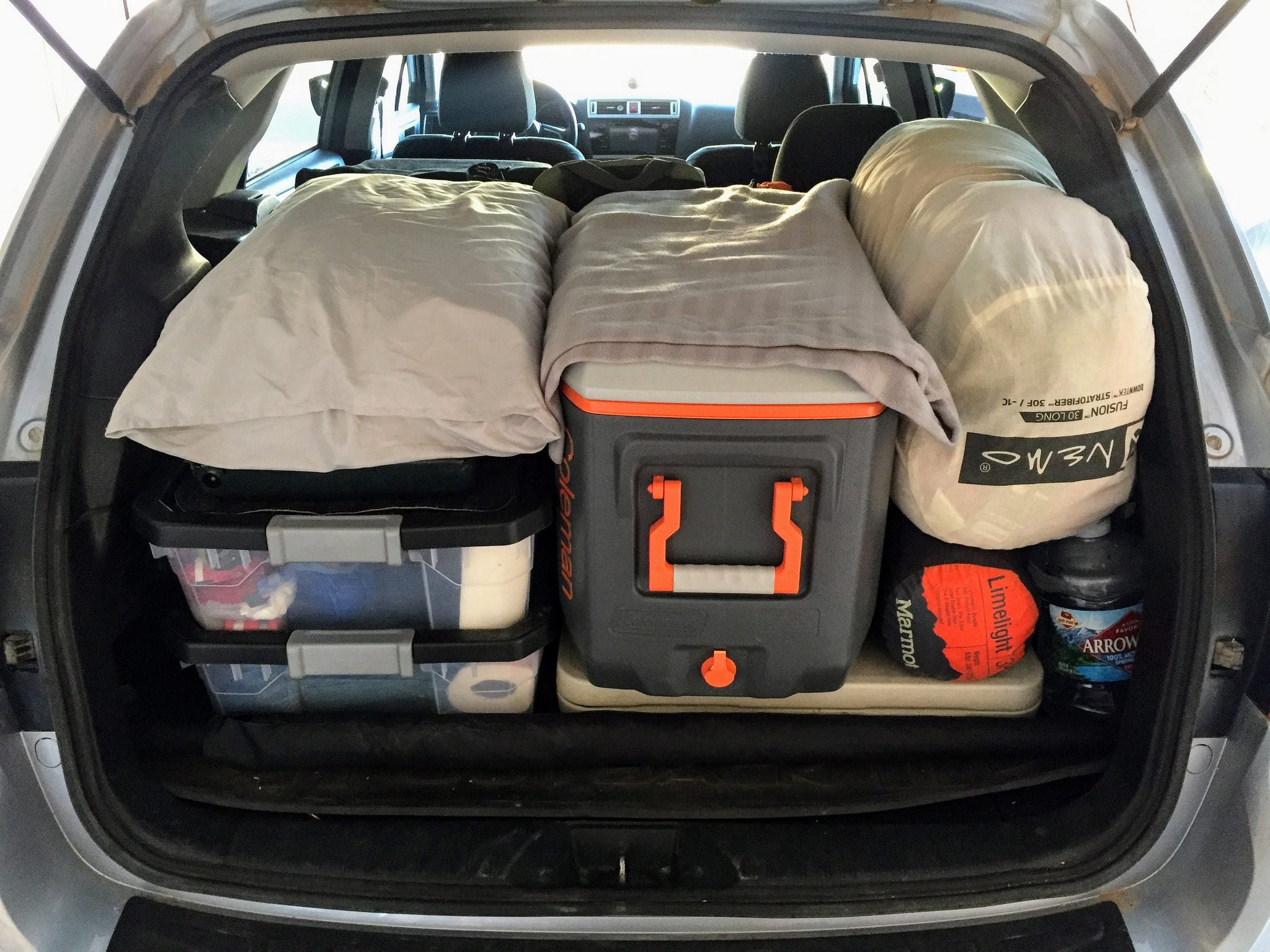
If your main camping gear bin is awkward or doesn't fit cleanly in your vehicle, it'll add frustrations you don't need. I've found that it's best to "test load" your vehicle with your main big items: tables, chairs, tent, cooler, sleeping bags—and consider what things must go where. For example, my camp chairs must go across the back of rear seats if I want my cooler to be easily accessible, so that influences how wide of a bin I can use. If you're planning on using multiple bins, you'll also want to consider how well they fit together, too. I bought matching, stackable bins specifically so that it'd be easier to pack them in the car together.
I used to use a taller, more narrow bin, but it was too tall to put anything useful on top of it and it created a weirdly-shaped void that usually resulted in unused space. If your bin doesn't "play nice" in the vehicle configuration you'd prefer, find yourself one that does. It's worth the hassle now to get it right than dealing with repeated consternation every subsequent trip.
Putting it all together
Now that you have your camping bin items together and have found a bin that will work for your space and gear, it's time to bring it all together. After a few times packing and repacking your bin, you'll probably notice that things seem to fit better if you pack them a certain way. I try to pack the bigger items in the same spots each time, and then fill in with the other items around them. Smaller items I use frequently go in designated spots (usually corners, for me). It's useful to have a system—that way, you don't have to rummage through the whole thing just to find that little spice container. That's basically what this entire post is about—creating systems that make your camping life easier.
What other bins would be useful to have?
My main camping bin is primarily focused on camp kitchen items. I suggest that you have a similar one, as it makes it easy to bring everything you need right to your cooking area. But that doesn't mean you can't have bins dedicated to other types of gear, too. For instance, we also have a sleep bin that contains our comforter, sleeping pads, pillows and lightweight throw blankets that we often use in warmer weather. I also have one for much of the gear I usually bring kayaking. If having a pre-organized gear bin would reduce the hassle of packing and help you get out more often—as it does for me—then you owe it to yourself to put one together.
Replenishing the bins
Since our goal is to be able to pack quickly—so that we can leave right after work on Friday, for instance—we keep these bins fully stocked and ready to go. Instead of having to look through the bins before each trip to see what needs to be replenished, we try to take care of that while we're at the campsite or on the road.
Our solution is to use the free Microsoft To Do app so we can add to a shared "camping bin replenishment" list as soon as we use something up at the campsite. Uh oh, down to only one trash bag? Add it to the list. Lantern batteries going dim? Add it to the list. Propane canister feeling a little light? Add it to the list. Do it right when you think about it. Yes, it's ok to whip out your phone at camp to do this. I also add anything here that I might want to add to the bin for the next trip. Again, log it when the idea hits you; don't expect to remember later.
Once we're back home from the trip, we'll replace anything that needs replacing (including recharging the batteries for the small lanterns) before we put the bins away. This is important—if you're not diligent in replenishing the camping bin, then you'll undermine your ability to just "grab and go" or you'll end up without something you need.
Auditing your kit
Once or twice a year, I like to take everything out of the bin and review if it's still something I should be hauling around. For instance, have I really used that blacklight? Maybe that can stay at home from now on. Doing this review helps reduce clutter and make it easier to manage the stuff you actually do use regularly.
I want to hear about your camping bin
Did an interesting item make it into your camping bin? Have a tip I missed above? Think I should add something specific to my own camping bin? Let me know in the comments. I'd especially love it if you linked to a photo of your own camping bin. I love hearing what everyone else brings.
Pin it
How to make more hiking or camping friends
Solo adventuring can be great—it's easy to do exactly what you want right when you want to do it. And it's a perfect time to dive into some introspection and contemplation.
But there's often no substitute for experiencing a new place with friends. Unfortunately, not everyone has a go-to travel partner, or an available crew to camp with. If you're looking to expand the number of friends you get outside with, you've found the right post.
Your existing group of friends
The first step is to check with the friends you already have. Maybe one of them has been dying to get outside, and just needs someone to suggest a destination. Or maybe you never quite realized that someone loves to hike or camp, but similarly doesn't have someone to go with. It's funny how often I see someone post a photo of a hike they did, or a new tent they just bought, and thought to myself, "wow, I didn't know they enjoyed that sort of thing." So, ask your friends. Post a few messages on facebook, then mention it at your next happy hour get together. Start here first.
Your existing irl social networks
After you've checked with your circle of friends, expand a bit to the other social networks you belong to. Check with your co-workers—the ones you can stand, at least. Check with the folks at your _____________ club, whatever that might be. Work, school, hobbies, parents of your kids' friends, neighbors, regulars at your gym class...we're all connected to various groups of people we already somewhat know, each of which may yield some new hiking partners. But only if you ask.
Meetup groups
Meetup has been an absolute treasure trove of outdoor clubs for me. I regularly kayak with three groups, day hike with another two, and occasionally jump on backpacking trips led by couple others. But it wasn't always that way.
A few years ago, I decided that I didn't have enough backpacking in my life. While several of my friends routinely said they wanted to go, I could never quite pin them down for a trip. So I headed over to Meetup.com and searched for some groups. I found half a dozen that were backpacking-focused and seemed pretty promising, joined each, and took a look at their trip calendars. There was one trip coming up to one of my favorite destinations, Aravaipa Canyon Wilderness, which requires permits that the trip leader had already secured. They had a spot open, so I RSVP'd yes. A few days later, I was sleeping under cottonwoods gazing at the stars with five people I had just met. They weren't all going to be future friends, but one of them is. And best of all, I got a fun overnight trip out of it.

A week later, I went with another meetup group that was heading to Havasupai, one of the jewels of the Southwest. I hadn't been there before, and the permits can be hard to get. It was only four days long, but I made a ton of friends on that trip—many of which are among my most cherished friends today.
Within a week, I was organizing unofficial trips for my new friends and have helped lead trips (and happy hours for connecting with new members) ever since. That group basically became my primary "outdoor adventure" crew, the ones I spent most weekends with. I'm not guaranteeing you a similar outcome, but it's a common meetup experience I've seen so frequently that I'm confident you'll make some outdoorsy friends if you give it a sustained shot.
"But I'm too shy for that"
Meeting new people and doing a trip with them isn't necessarily easy or fun for everyone to do. I understand, I do. I generally felt the same way. I'm not an outgoing guy. I'm rarely the popular one in groups. I was worried I wouldn't be able to keep up. I was worried that there'd be some creep or asshole on the trip that drove me nuts. I was worried that someone might be totally unprepared and we'd have to help him along the whole trip. I was worried I'd be the outcast on the trip, that I just wouldn't fit in. There were a thousand other worries I had, too. And yet, none of those things happened. Not one. That's the thing with most fears—your imagination is far worse than what's likely to actually happen.
If the idea of this simply terrifies you, and you're unwilling to force yourself to try it just once or twice—no matter how uncomfortable it might seem—then don't. It's that simple. Stop reading and focus extra energy on the first two steps, instead. But if you're intrigued, even just a bit, but still pretty anxious about the idea? Well, I say go for it. Talk a friend into going with you. Start with a group that does a social activity so you can meet the regulars first. You'll feel less anxiety if you know you can bail during one of these event more easily than an outing in the wilderness. Don't see any outdoor recreation groups that offer one? Email the organizer and suggest it. Likewise, if you're a woman and worry about spending a weekend with a bunch of strange, possibly horny, men who might constantly hit on you? Well, email the group organizer and suggest a girls-only trip. There are often ways to mitigate the fears or hesitations you might have. Start slow and work up to an actual outing if you need to. Or do what I did and just thrust yourself into it——like jumping into a cold lake instead of trying to ease your way in. Either way, give it a shot.
But what about small towns?
I should note that I live in Phoenix, a large metro area with great weather, abundant public lands, and plenty of people who enjoy getting outside. You may not live in such a place. You may live in a small town, far from a population center large enough for a single outdoor rec meetup group, let alone the dozens I can choose from. Bummer.
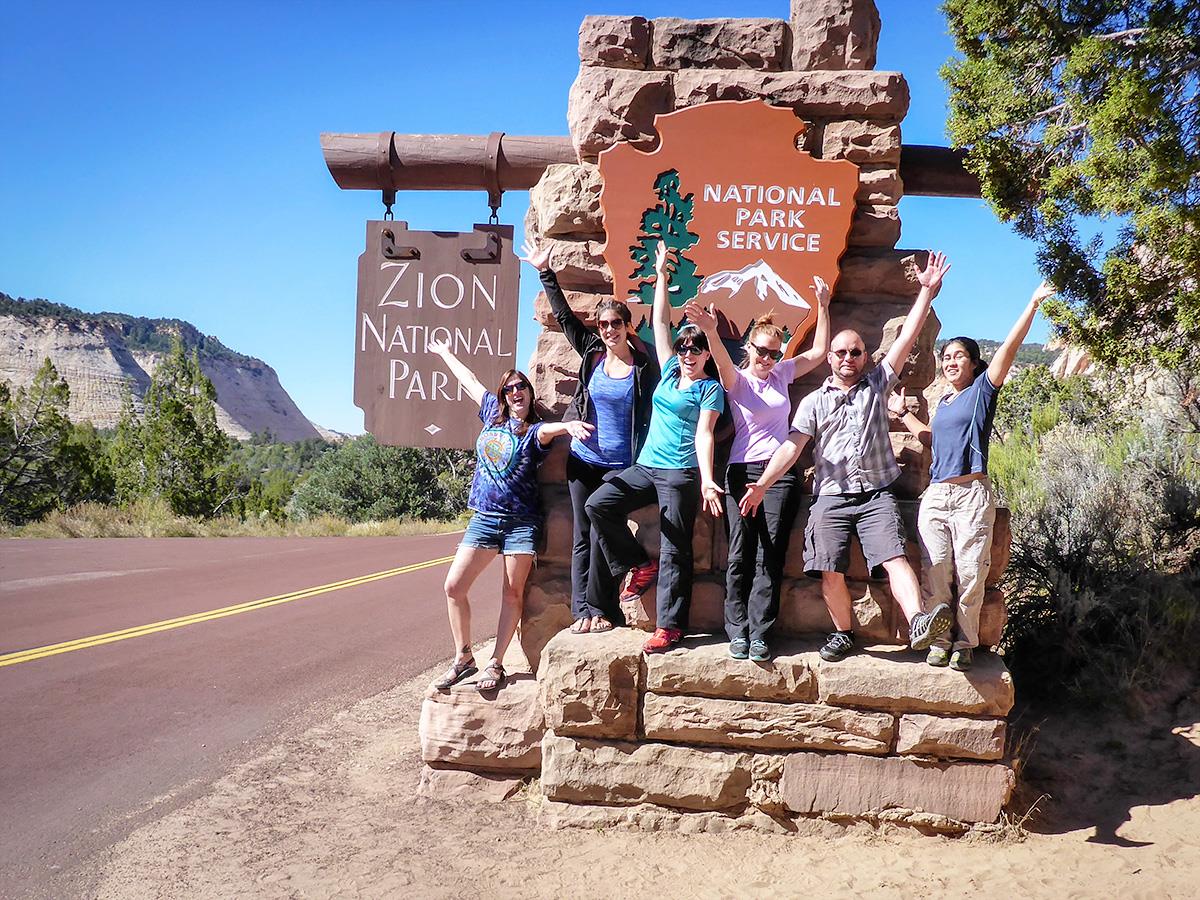
But all is not lost. Try searching for specific destinations instead. In the search box, type the place you want to go (it works best if it's a somewhat coveted destination). Change the "distance from" your location to "any distance" and select "all meetups" from the options on the right, then look through the results. You may find groups from across the state, or even from across the country, leading trips to that destination. It's not uncommon for people to join trips being led by groups far from own city.
Facebook groups
Check facebook for various hiking or outdoor-related public groups in your area. Often, individuals from these groups will lead hikes or other outings, sometimes formally and sometimes informally. If you don't see events being mentioned, ask if anyone might want to join you. Even if you don't have a lot of luck here, you'll probably enjoy conversing with them anyway. In addition, these facebook groups often offer the side benefit of providing some great ideas on future destinations to explore.
I couldn't find a kayaking trip scheduled for this Sunday in my normal meetup groups, so I jumped into a new facebook group I recently joined for kayaking the lower Salt River outside of Phoenix. One post and one day later, I have a small group of paddlers joining me on Sunday morning. It turns out that there are often people who would love to join a trip; they just need the suggestion to go. I see this regularly in other hiking facebook groups I belong to. Don't see an outdoorsy facebook group for your area? Create your own and see what happens.
Other clubs & organizations
You're probably already familiar with a number of national outdoor/conservation/recreation groups, many of which have a local chapter or partner that's active in your state. For instance, the Sierra Club in Arizona has a pretty regular calendar of member led-hikes and activities where you'd undoubtedly find others who enjoy the outdoors. Groups like IMBA have lists of local mountain biking clubs you could get involved in. American Hiking Society has a similar list of hiking groups. Hike it Baby has a network of local branches offering outings for families. There are obvious too many to list here, but a quick search will likely uncover plenty of local groups to investigate.
There are a number of new female-focused hiking groups springing up recently, such as Hike Like A Woman. Some of these are set up as national networks with local chapters—often with one or more local ambassadors—that organize hikes and other events.
There are also a number of local or regional outdoors groups, too—and even some outdoor retailers that offer women-focused events. REI's Force of Nature program also hosts a number of classes and events geared specifically for women. Other organizations, such as Outdoor Afro, Latino Outdoors, OutVentures, and Unlikely Hikers host events for communities often underrepresented out on the trail. I've listed just a small sample of the groups out there, so spend some time googling in your local area.
An often overlooked place for finding outdoor clubs is community colleges. Student orgs can be pretty hit-or-miss and don't always persist thru the summer, but it's worth checking your local community colleges for any active groups. The community college crowd usually has a much wider age distribution than four-year universities. So while you'll likely find many twenty-somethings in these clubs, you won't seem totally out of place even if you're 40-something.
Guided hikes & volunteer projects
In the suggestions below, the goal is to connect with others who enjoy the outdoors and who also live in your area. Since these things can vary greatly depending on where you live, you'll need to do a bit of digging to see what's available in your own area.
Some outdoor outfitters, like REI, offer various outings and outdoor ed classes. If you're anything like me, these are your people. It shouldn't be hard to get a conversation going about various trails or destinations, which provides a perfect segue into a "sounds great, so when do you want to go?" comment. Climbing gyms are also great places to make some new friends, though not everyone who climbs indoors enjoys outdoor activities.
Volunteer service projects on our public lands, such as trail maintenance or trash cleanups, can also be a great way to meet people who enjoy the outdoors. Not only might you make some new hiking friends, but you'll be giving back to the outdoor community. Check in with your local land manager for opportunities near you. You might also want to contact local outdoor outfitters, conservation groups, and "friends of" groups, which often sponsor or organize volunteer service projects, too.
If you have a county or regional park system, you might want to see if they do any guided or interpretative outings. You'll want to focus on places where locals routinely go, not the more touristy destinations that might attract out-of-towners. For instance, most visitors to metro Phoenix probably don't even know about the Maricopa County Regional Park system, so they're unlikely to attend their events. That might not be the case for nearby Lost Dutchman State Park, which sees its fair share of tourists given its popular RV campground and proximity to the famed Superstition Mountains Wilderness.
Some cities and counties also run their own outdoor programs through their respective recreation departments. Many times these are focused on general exercise and fitness, but plenty of them also include outdoor recreation activities—especially in places with urban mountain preserves and other outdoor rec opportunities.
Other social media networks
If you're a regular user of social media, especially open networks like instagram and twitter, then you probably "know" quite a few people. That is, you follow them, they follow you, and you at least occasionally have some sort of conversation with them. Well, maybe it's time to meet in person for a hike!
Sure, distance is often an issue for these sorts of relationships; these networks are worldwide, after all. But that doesn't mean you can't put a little energy into following more people in your own area. It's particularly easy to do this on instagram. Simply search by some local hashtags and you're bound to find others who enjoy the outdoors. It might take some time to develop an online relationship with the people you find, but it's a quick and easy way to find fellow hikers. Like facebook groups, you're also sure to learn about some outdoor gems in your area. Oh, and feel free to give me a follow on twitter or instagram while you're at it.
An important note on "meeting people from the internet"
Nope, this isn't a cautionary disclaimer. It's the opposite, actually. Sure, you should be safe when it comes to people you don't know. That's true whether they're people you meet at the grocery store, on the internet, or at your local church.

But, here's the thing. Most people are just fine. Sure, some can be socially awkward. Some are weird. Some are even creepy. And anytime your spidey sense alarm goes off, it's best to pay attention. But the vast, vast majority of people are perfectly safe to spend time with, especially in a larger group setting—whether or not you've met them on the internet.
Fifty years ago, it was perfectly acceptable to make friends at the bowling alley, back when being in a bowling league was far more common. But let's face it, it really wasn't much different than meeting someone from the internet. They were a complete stranger, you got connected because of a shared interest, and here you are doing stuff together in real life. It's basically the same thing as what happens with meetup, except that now you can actually stalk their profile a bit before you ever show up. And that's just one of many precautions not available to previous eras.
The internet is a fabulous tool for finding people with similar interests as you. For finding your tribe.
The bottom line
If you want to make outdoorsy friends, you live in the very best era to do so. Go on, make it happen!
Photo credits
Jessica Schultz took the featured image, as well as the one of our group at Havasupai. She's currently adventuring around the West in her Airstream full-time. Follow her on instagram or at CampfireHappy. You'll be happy you did.
Want more stuff like this? Subscribe to the email list to get notified of new posts.
Camping? No, I'm just sleeping at a campsite
"I'm not camping, I'm just sleeping at a campsite," I explained.
They looked skeptical, trying to process what that sentence could possibly mean.
To them, camping was itself a largely weekend endeavor: full of beer coolers and dutch ovens, carloads of friends, pine trees and hammocks. It was the central feature of the weekend—billed as a chance to let off some steam, day drink with some friends, eat more than you should, and escape the city heat. The point of the weekend was the act of camping itself.
But that wasn't what I was doing. I was camping—well, I was sleeping in a tent at a campground, at least—specifically to avoid paying for an expensive hotel room. As a result, I hadn't brought much beyond the basics: a tent, headlamp, sleeping bag, and sleeping pad. I also had some snacks, a disposable cooler, and a barebones cook kit, though I had opted to grab a cheap sub on my way to the campground instead of cooking some elaborate dinner over a campfire. I was doing it all wrong, in their minds.
Don't get me wrong, I love camping for camping's sake. There are fewer things I enjoy more than sharing some adult beverages with good friends next to a campfire with a view. I'm constantly pestering my friends to join me for a night or two on the Mogollon Rim during hot Phoenix summers. Lounging in a hammock, staring up at the star-filled night sky above, the cool breeze carrying with it the relaxing scent of pine trees? Yes, please! I need that in my life.
But for me, camping is both a means and an end. It's not solely a weekend activity with friends, it's also the way I can afford my other travel adventures. And there are many other travel adventures to be had, after all.
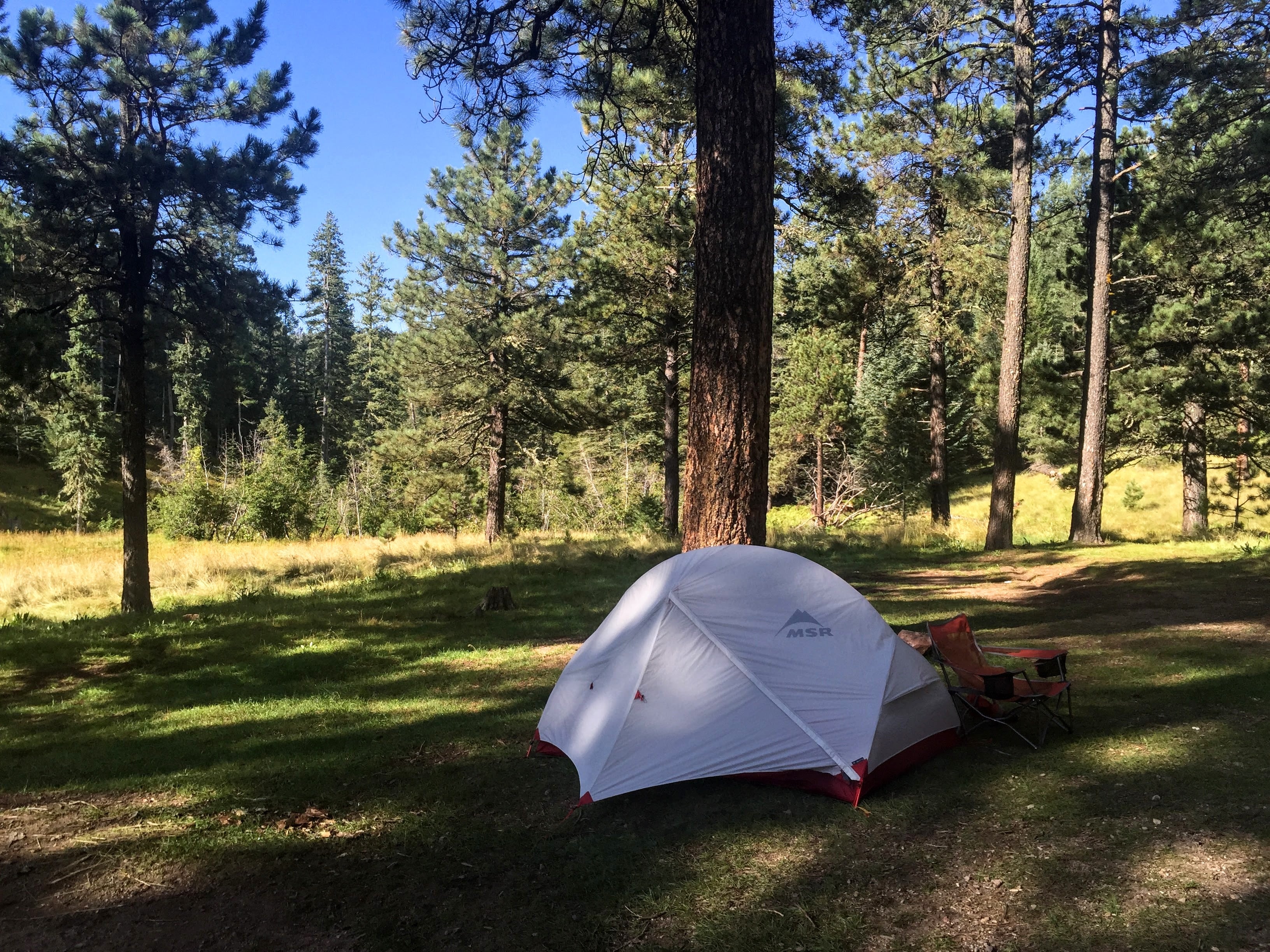
Camping is the single best strategy to save money while traveling here in the USA. Hotels are expensive, and they often entail additional hidden costs. Once you have some camping gear, the primary cost of camping is a far cheaper campground fee and maybe the occasional $5 propane canister. Or you can find a dispersed campsite on our public lands and save the campground fee altogether. For budget travel, camping is a great deal—even if it requires a bit more time and gas...and far less glamour.
If you can get comfortable with camping for traveling's sake, then you can unlock a whole new set of travel adventures. So when I've set my eyes on a new trip, and glanced into my wallet only to see moths fly out, I've quickly turned to "sleeping at a campsite," or what you might call travel camping.
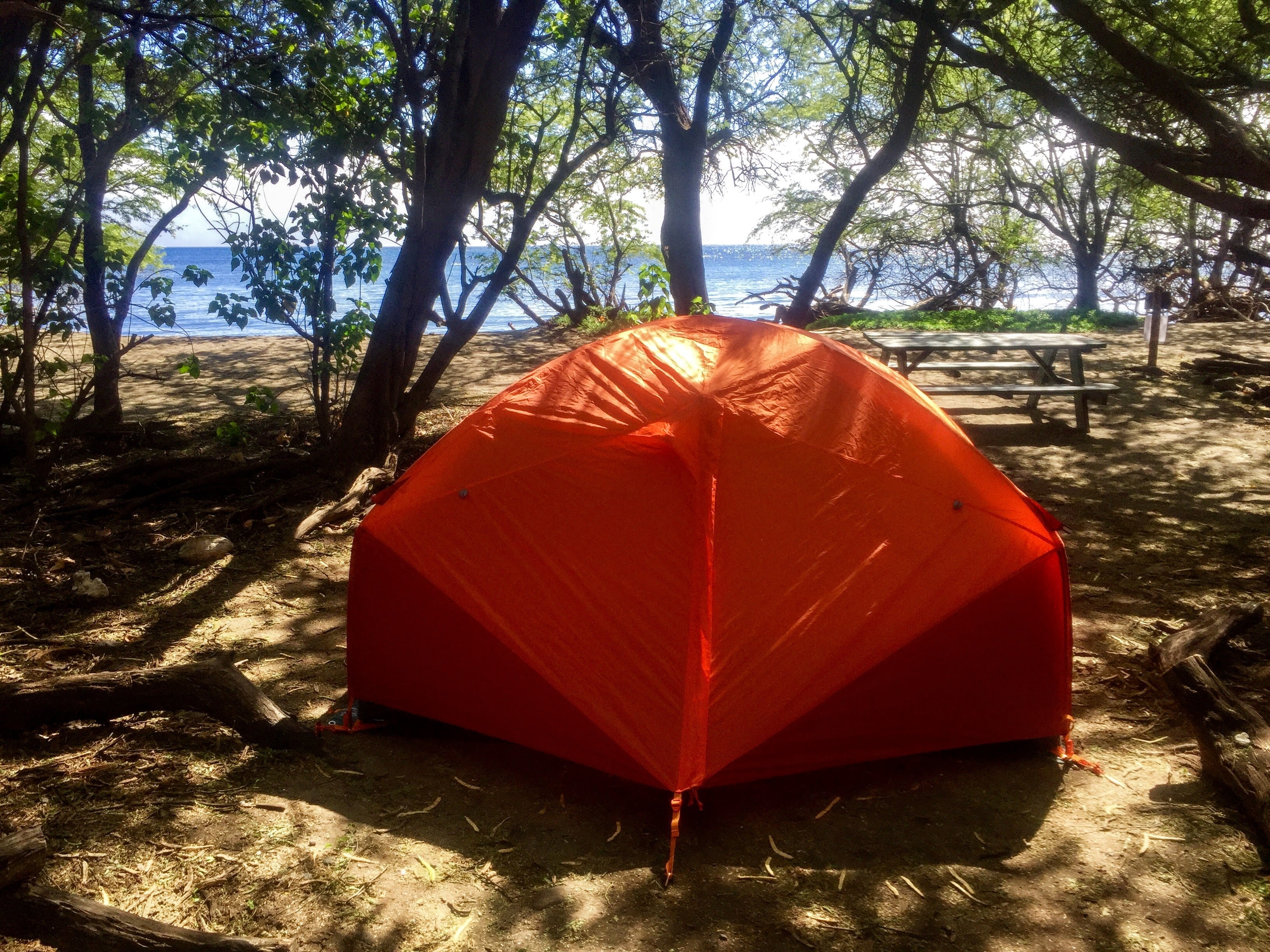
Want to travel to Maui, but can't afford the $300 hotel rooms? Maybe tenting it at that $20 campground that's 10 minutes outside of town isn't so bad—especially if doing so allows you to spend 9 days on the island instead of just 2.
Want to take that long road trip to visit a bucket list destination, but can't afford both gas and hotel rooms? Maybe a quick overnight stay at that state park along the way can help.
I'm not saying that you shouldn't stay in a hotel occasionally, or cash in some points for a room with your own private bathroom and complimentary little shampoo bottle. But adding the travel camping routine to your repertoire? Well, that gives you quite a few more options to play with. Suddenly, skipping that second hotel night stay to camp instead means that you can now afford that special boat tour, or maybe to extend the trip an extra day, or to indulge in a night of bar-hopping around the trendy downtown district. That flexibility can sometimes mean the difference between an experience you'll never forget, and a slightly more private place to take a shit.
If you follow my travels, you know that I spend a ton of nights each year sleeping in a tent. But the majority of those are actually travel camping nights—not nights I'm spending backpacking or "camping with friends" (though I'd certainly love far more of those last two). Most of the nights I camp aren't for the camping at all—it's simply a way to spend more of my time traveling, exploring, and adventuring. And that's why I do it. And why you should too.
My primary goal with this website is to help you Just Get Out More. Since travel camping is one of the key strategies to doing that, I'll be writing in much greater detail on how I go about doing it in the not-too-distant future.
How to make ice last longer in your cooler
Making ice last longer in a cooler requires a bit of pre-planning and following some best practices while you're on the road. Here's a simple guide for how to get the most out of your ice cooler.
The basic underlying principle
The basic concept behind making ice last as long as possible is this: limit the warmer things it comes into contact with. Basically, every tip below is intended to serve this one goal. For instance, the more warm outside air the ice comes into contact with, the faster the ice will melt trying to cool that air, and the sooner you'll be buying more ice. By focusing your attention to reducing the things that the ice needs to cool off, you'll make the ice last that much longer.
Preparing for a trip
Always pre-chill
This one is pretty easy and has the most immediate impact on your ice. Don't start with a warm cooler or with room temperature drinks or you'll immediately be starting from a deficit. It can take up to 2.5 pounds of ice just to cool two six packs kept at room temperature. Since I keep my coolers in the hot garage here in Phoenix, that means bringing the coolers inside the night before a trip and adding a small refreezable ice block to pre-chill the cooler itself. I also make sure all of the items that will be going into the coolers are properly cold too. That way, when I finally load everything in the morning, my ice won't be wasted cooling everything down to a cold starting temp.
Use separate coolers
For longer trips, always bring separate coolers for your food items and for your beverages (and any other items you more regularly need to access). By doing so, you'll ensure that the items that need to stay cool the most—the food items–aren't accessed as frequently and stay colder.
For example, on long weekend trips, I usually use a 70qt cooler for our main food items, supplemented by a 28qt cooler for drinks. The 28qt cooler goes in the backseat so that we can snag a soda refill while we're on the road, whereas the larger food cooler lives in the back of the vehicle. We also sometimes add a "stash" of additional beverages in the large cooler for replenishing later in the trip. Having a separate drink cooler is especially useful at camp, where you might have it closer to the action than your large food cooler. If you're planning on having some adult beverages by the campfire, it's especially useful to limit access to just this cooler alone.
If you're bringing food for what seems like a small army, you can also divide your food coolers into various days of the trip. That way, you're only opening the "Day 6/7 cooler" on days 6 and 7, which will help ensure that those items stay cold longer.
Keep it organized
It pays to stay organized when filling your coolers. That's because the more time you spend with the cooler lid open, searching for that bottle of mayo or that pack of hot dogs, is more time that you're replacing cold air with warmer outside air that the remaining ice will have to cool.
I suggest a few practice runs playing around with the layout of your cooler and the items you commonly bring on trips. Having a standard way of organizing the cooler means that you—and hopefully those you usually travel with—will always know where things are. If you want to be extra organized, you can even tape a layout map to the top of the cooler. You might get teased a bit by your campmates, but you'll have the last laugh when your ice survives the whole trip.
Give priority to perishables
Put the items that are the most perishable, like meats and dairy, closest to the ice. Items that need to stay cool the least, such as vegetables, go near the top. This seems like a no brainer, but I'm amazed at how many people fail to do this.
Use a lid barrier
I'm a big fan of using a lid barrier in a cooler. I use a cut-out of reflectix (a sort of aluminum-lined bubble wrap that is used as insulation) to cover the contents of every cooler I use—even the flimsy soft-sided ones. As the ice melts and I consume items from the cooler, the lid helps insulate the ice and food from the resulting warmer dead air above it. In fact, I also line the sides of my primary food cooler with reflectix, too, which seems to add quite a bit to its performance. It's a great deal in my book, as you'll recoup the cost of an entire roll in just a few trips. If you can't go the reflectix route, you can also trim something like a cheap foam camping pad or even the lid of a styrofoam cooler. Even a plain old towel is better than nothing.
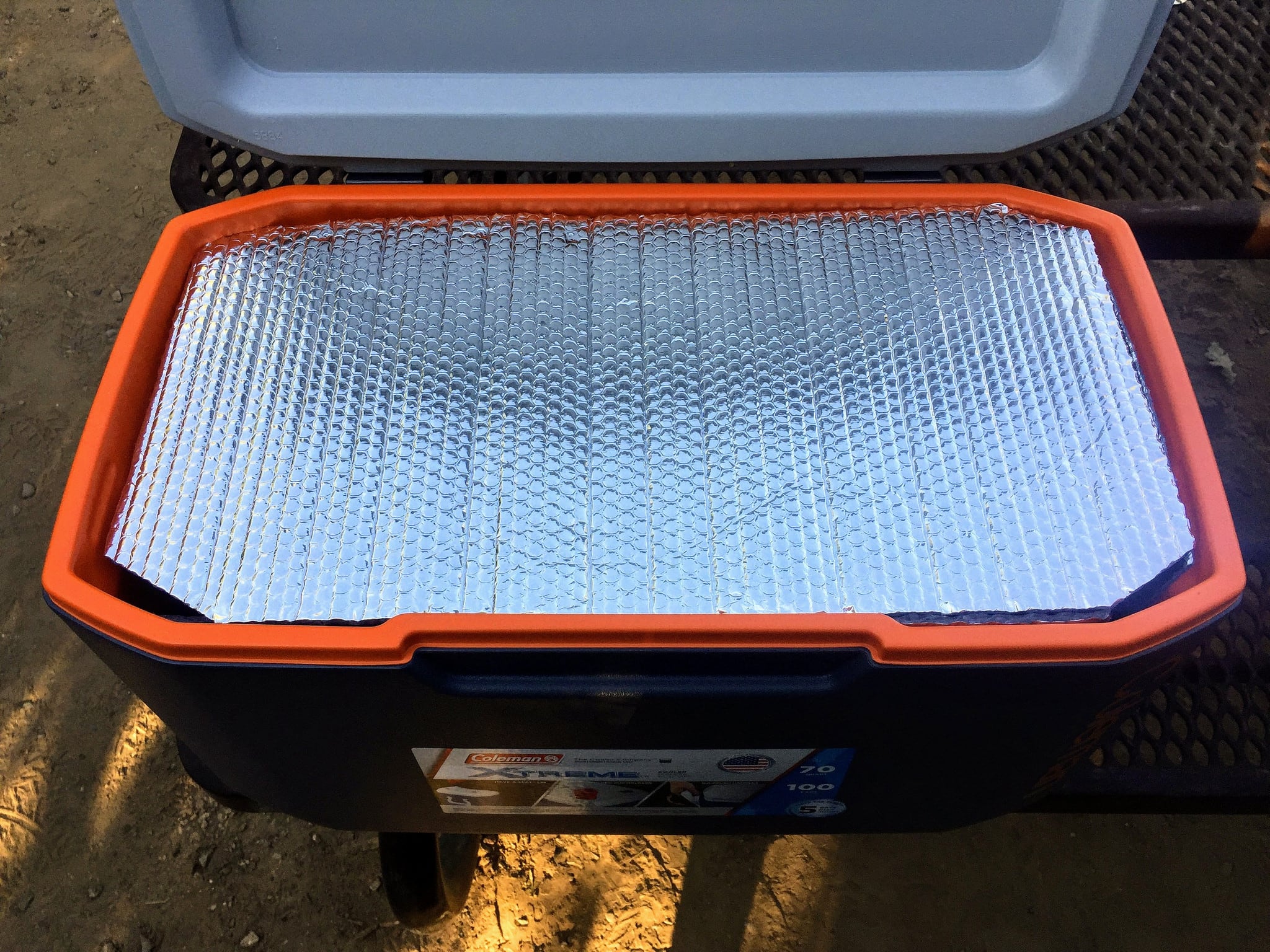
Adding the ice
Cooler manufacturers recommend about .75 pounds of ice per quart. That means roughly 50 pounds of ice for a 70qt cooler! By following the steps outlined in this guide, however, I routinely get away with about half that. For long weekend trips of 3-4 days, I typically use one 10lb block of ice in my food cooler, and then split a 20lb bag of cubed ice between my food and drink coolers. Occasionally, I'll split another 10lb bag between the two coolers late in the trip, especially if I've added more beverages or food.
Block ice vs cubed ice
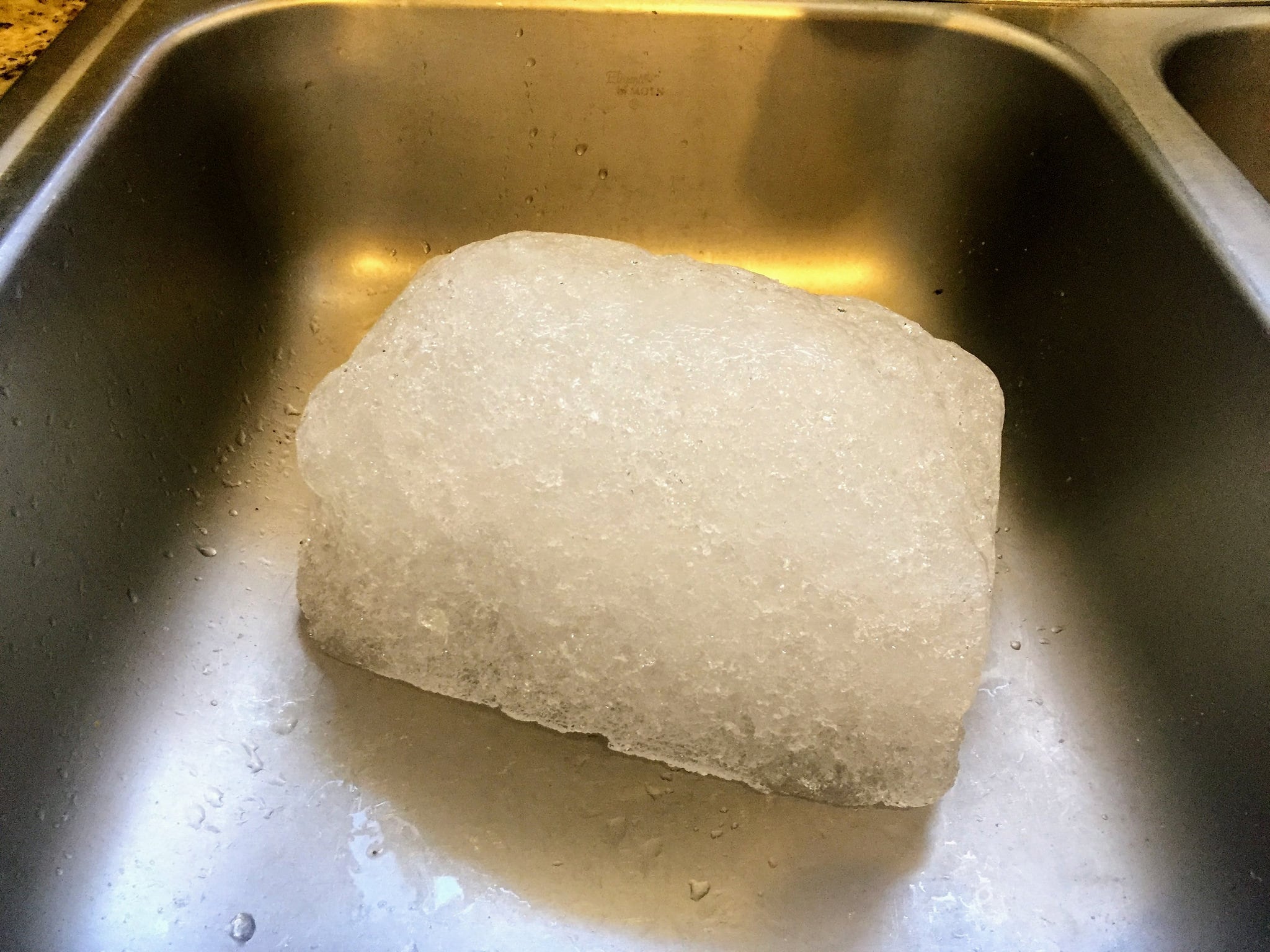
Don't fall for the "block ice vs cube ice" debate.
Get both.
Cubed ice is best for more effectively chilling items, while block ice will last much longer. For most uses, a combination of both works the best. Start with one or two blocks of ice, fill the remaining space with the items you want to keep cold, and then add the cubed ice at the end. The blocks form a central core of solid ice, while the cubed ice falls between the gaps. You get the best of both worlds.
Keeping your food dry
Ice melts, so be sure that everything that you want to keep dry is wrapped in a ziplock bag or waterproof container. Yet somehow, icy water seems to make its way into some of those bags and containers over time. As a result, I use a cheap $2 plastic bin inside the cooler that I load all of my food items in. The bin sits on top of the ice and also helps keep everything organized and accessible. It's easy to remove all of the food with one hand, or hold it up while I toss in some more ice.
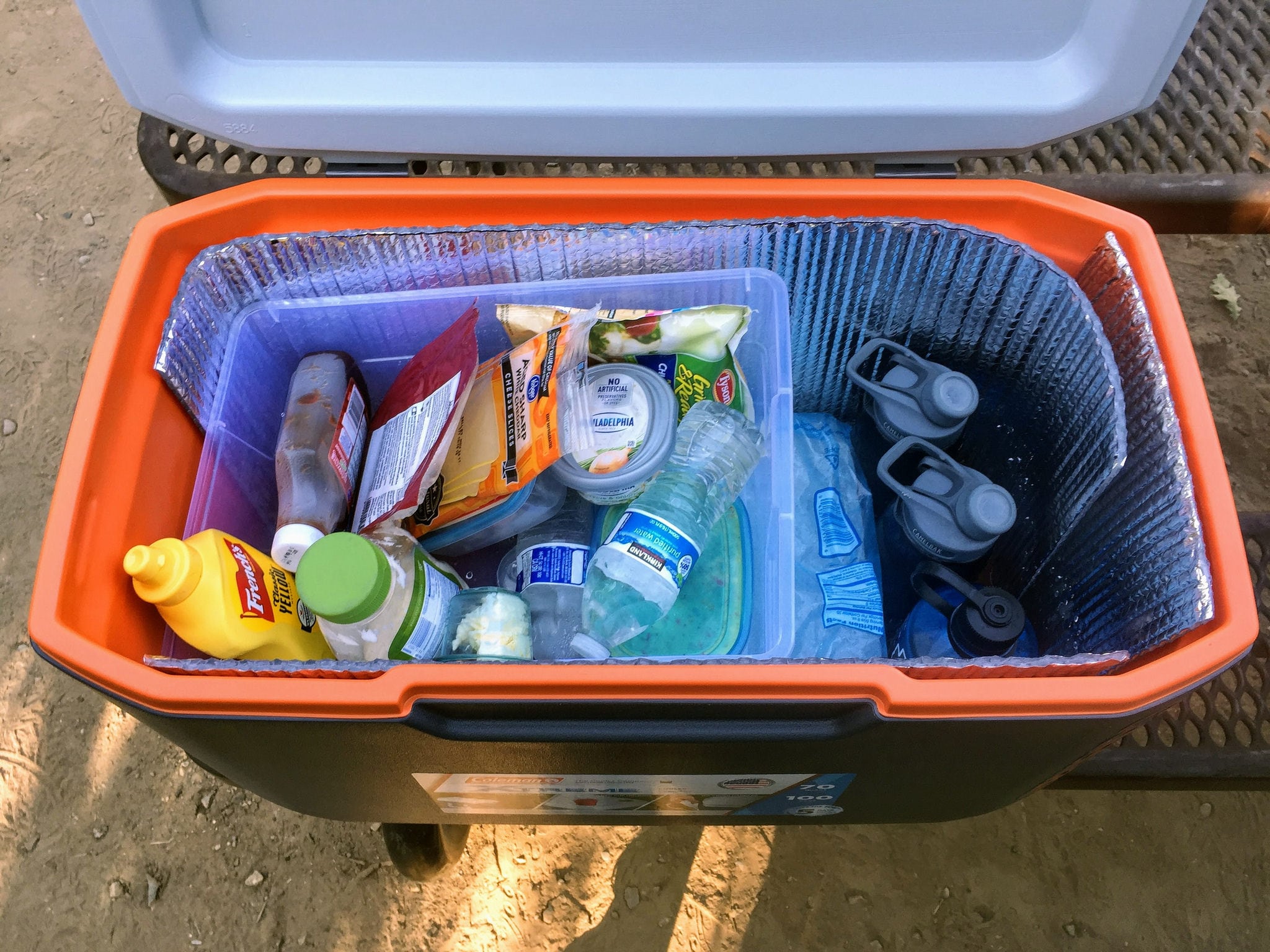
Use frozen water bottles
My favorite trick for helping to keep ice longer is to freeze several liter water bottles for use as additional ice blocks. I often toss these into the food bin mentioned above to ensure that things stay cold (you can see a couple in the photo above, too). Once these frozen bottles melt, they conveniently transform into cold water bottles. Sometimes, I'll do the same with more rugged nalgene-style water bottles. It's great to have icy cold water for that mid-trip hike.
I also freeze one or more larger 2-quart bottles I've filled with water. Because they're larger blocks of ice, they last longer and help supplement the ice I otherwise need to buy. The best part of this is that you can just toss these bottles back into the freezer after the trip and they're ready for next time. You'll occasionally need to replace these after they've been thawed and re-frozen several times. When I'm using a small cooler for a daytrip, I'll often skip buying any ice and just use these frozen bottles instead.
Fill it up & reduce dead air
A full cooler will stay colder longer than one with a lot of dead air. So first, make sure to choose an appropriately-sized cooler for your adventure. Then, be sure to fill it with enough ice for the trip. Still have space? Maybe it's time to add a few more frozen water bottles. If you still have extra space left in the cooler, consider filling it with a towel or other insulator, like foam pads or additional sheets of reflectix. The goal here is to leave as little space as possible for warmer outside air to settle inside the cooler when it's opened.
Use dry ice to keep things frozen
Dry ice will help keep your food cold—even frozen—for much longer than normal ice, but it requires some special planning and safe handling. For instance, you'll need to wear gloves to handle it, and it must be wrapped in paper, not plastic. Because it's the solid form of carbon dioxide, it doesn't melt into water the way ice does. It's not sold at just any ol' gas station like regular ice, so you'll need to do a bit of research first, too.
If you use dry ice, you'll need to give some special considerations to how you'll organize your cooler. Most importantly, it can cause damage if it comes into contact with the sides of your cooler. There are a few ways to deal with this, but the easiest seems to be buying a styrofoam cooler and cutting it down to create a sort of "tray with sides" that the dry ice can sit on. Beyond that, you'll also want to keep in mind that because it's so cold, anything touching it will freeze. That makes it great for keeping frozen things frozen, but it can also wreak havoc on items that you don't want to freeze.
One technique for using dry ice involves using it in a dedicated cooler to refreeze some reusable "blue ice" packs. Basically, you use blue ice blocks in your normal cooler, with a spare set lined around a dry ice block in another cooler. When the blue ice blocks in your normal cooler warm up, you simply swap them out with the ones in the dry cooler. Depending on your situation, you'll likely have to do this swapping several times during a trip.
While you're on the road
Keep sun and heat off the cooler
Always keep your cooler covered from the sun, whether it's in your vehicle or at the campground. The hot sun can make cooler ice melt twice as fast as one in the shade. I always cover my food cooler with a blanket or pillow and my drink cooler with a fleece or down jacket. You could also make a cover using reflectix, but I recommend putting something over it to reduce the insane sun glare you'd get. Having system like will ensure that your coolers remain protected from the harsh rays of the sun. It's also important not to leave your cooler on hot asphalt or other warm surfaces, like metal picnic tables that have been in the sun all day long. Again, a piece of reflectix might be a perfect solution for reducing the heat transfer when the cooler is on a hot surface.
Similarly, it's best to keep the cooler inside the air conditioned vehicle as you're driving, rather than on a roof or hitch carrier. If it's appropriate, don't keep your cooler in a parked vehicle that's baking in the sun. As any desert dweller can personally attest, vehicle cabins can get extremely hot just sitting in the sun. Keep in mind that if bears or other food-snatching animals are present in the area, you may not have a choice but to store your food in a hot car or a metal bear box in the sun. In that case, do your best to keep it as cool as possible; I sometimes employ towels or my sleeping bag to help insulate.
Keep the lid shut
Don't leave the lid open longer than necessary. Consider what you're getting from the cooler before you open it. This is pretty simple advice that goes a long way towards extending the life of your ice. Keep it shut.
Put food back quickly
It's easy to grab all of the food items you'll need for a meal and let them sit out while you cook, prepare, and eat. However, your ice will have to work less hard to cool foods that are still cool and haven't warmed up to ambient air temperature. So when you have what you need for your meal, return the remaining items to the cooler promptly.
Don't drain cold water
Just because your cooler touted a water drain on its label doesn't mean you need to use it. Recently melted ice is still helping to keep your food cold, so you don't need to drain your cooler just because you hear some sloshing. Melted ice water preserves frozen ice better than empty air space. The only time you need to drain water from your cooler is when you've purchased more ice and you need the physical space in the cooler.
Adding more ice
If you've followed these strategies, you won't need to add more ice nearly as often as you otherwise would. That said, I often adhere to the "better safe than sorry" philosophy when it comes to food items, so I might add an additional 10lb bag of ice while gassing up my vehicle during a road trip. There are many factors that come into play here, so it's hard to provide a useful recommendation for when you should consider adding more ice. If you're in doubt, you might as well spend the extra $2-3 bucks and buy an extra bag.
When you're at the store buying ice, try to grab ice from the back of the cooler where the refrigeration unit is usually located. While all of the ice in the cooler is below 32° F, the ice in the back is usually several degrees colder, as it doesn't come into regular contact with the warmer outside air when the door is opened. You might get an annoyed look from the convenience store clerk who faced all the ice to the front, but they aren't the ones paying for the ice so grab the coldest one you can find.
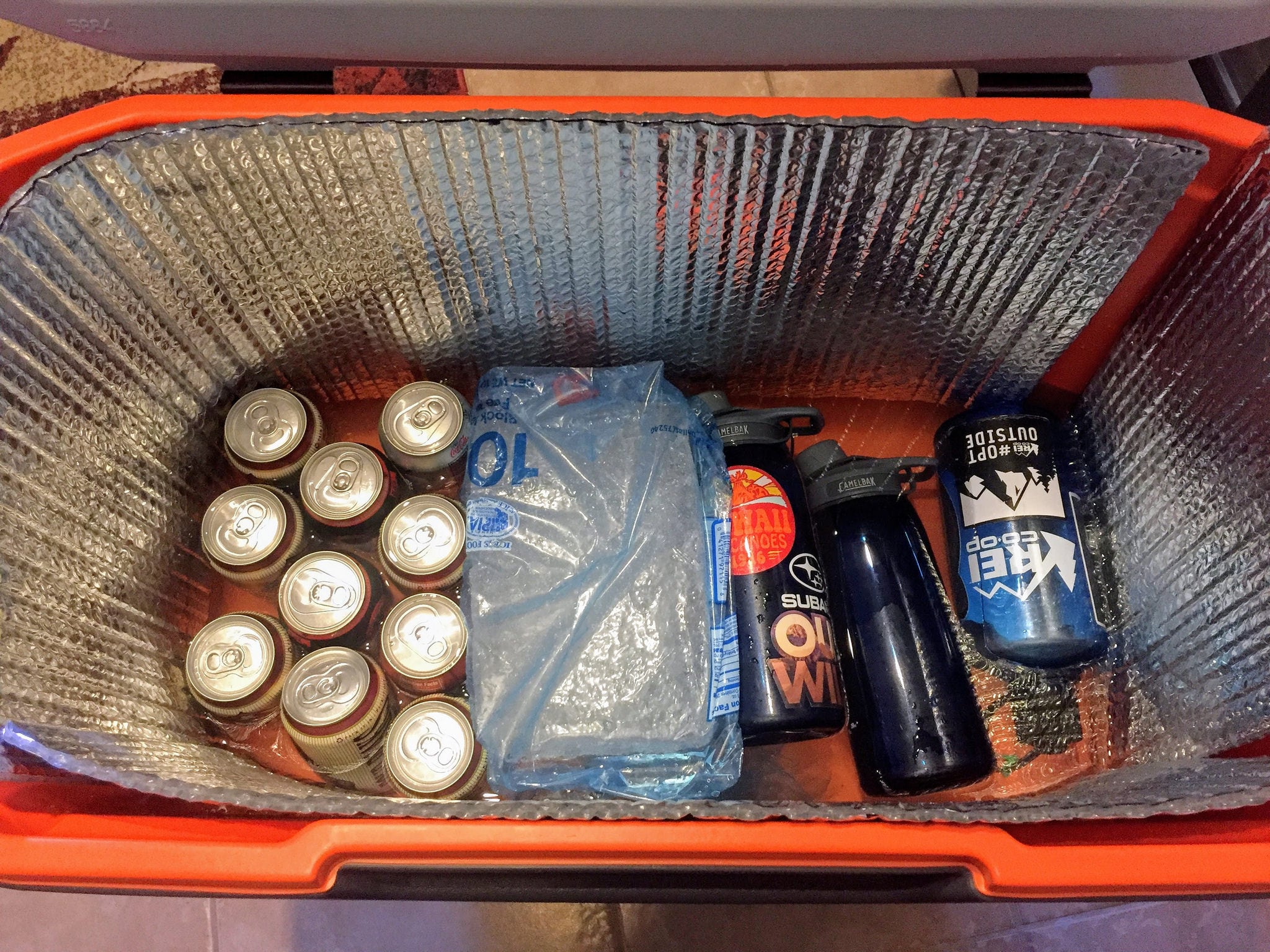
Use a smart thermometer
If you constantly find yourself wondering if the food in the cooler is, indeed, still cold enough, then it's time to invest in a thermometer. There are several inexpensive models (like this one) that will not just tell you the current temperature in your cooler, but will keep track of both the high and low temp readings. Keep it in your food bin in the cooler and you'll be able to keep close track of how your food is doing. Press a simple reset button to clear the recorded values as you place it back in and close the cooler lid.
Which cooler to buy
There are quite a few outdoor blogs with reviews and comparison demos of various cooler models out there if you're interested. But keep the following points in mind as you read through them and consider what to buy.
Maybe you don't need that Yeti...
For all of the swooning over high-end premium coolers like Yeti, I'm skeptical that there is a large market of people who actually need the added performance that they provide. I'm not picking on Yeti specifically here; to be fair, that's usually true of any high-end piece of outdoor gear. The top-of-the-line stuff performs marginally better, but almost always at many times the cost.
Does it make sense to spend an additional $350 to get that extra 10-15% of performance? Maybe it does if you're off on a two-week wilderness rafting trip. But for someone like me, who uses mine almost exclusively during weekend camping trips, or during occasional long road trips where I'm passing countless gas stations and grocery stores? Nah. I'd rather use that money for more travel, personally.
But skip the low end stuff, too
But that doesn't mean that you should just grab the cheapest cooler you can find. If you spend any significant time using a cooler, I'd recommend getting a good one. You just don't need to get the very best one you can find. Think about what features are actually going to be useful for you, and what sizes are most appropriate. Do you need a certified bear-proof cooler when you always keep your cooler in the car at night anyway? Take some measurements and be sure that the cooler will fit where you need it to in your vehicle. Things like that may end up mattering far more than whether it can keep ice for 5 days versus 6, especially if you're usually only out for the weekend.
The coolers I use
I recently upgraded my main food cooler from this Igloo MaxCold 70qt rolling cooler to this lovely Coleman Xtreme 70qt cooler. I'm pretty damn happy with the change, even though both claim to keep ice for 5 days and have identical capacities. Why?
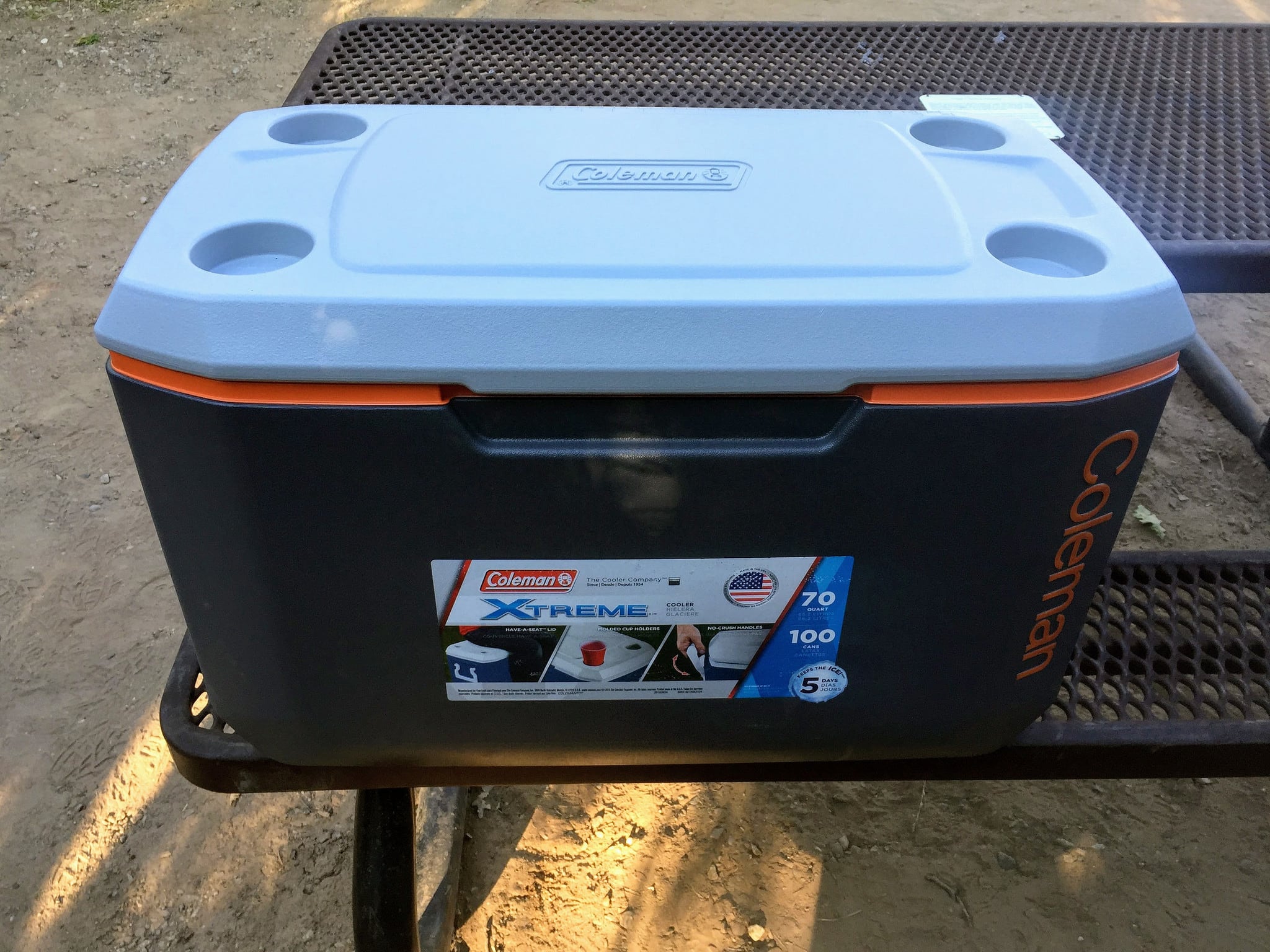
Well, the awkward cube-shape of the Igloo made it difficult to fit into my Subaru Outback without partially obscuring the view out the rear window. Also because of its height, I couldn't open the lid enough to grab anything while it was in the vehicle. I never used the wheels, since I rarely camp anywhere with paved campsite walkways. I also hated that its lid was easily removable, as it would routinely topple off when I didn't want it to. Most importantly, it didn't work well for how I like to lay out my cooler—it was too tall and not long enough. Don't get me wrong, this cooler is perfectly good and I'm keeping it for those times when it would be a great solution, like tailgating at college football games in the fall.
But for road trips, the more horizontal Coleman model works far better for me. The food bin I use fits perfectly on top of a standard ice block, while still providing easy access to water bottles or drinks along the two sides. It fits very well in the car, which is makes packing and unpacking everything else a breeze. I can even open it while it's packed away to snag a quick item. And it's unexpectedly handy to use as a quick seat. It sounds silly, but my overall experience is far better with the new cooler than the old one.
The main point here is that there are a number of considerations you should take into account when choosing a cooler. Don't be afraid to make a selection based on criteria other than its raw insulating capability.
Have any additional tips?
Let me know in the comments if you have additional tips or tricks for extending the life of your cooler ice.
Share or pin this
Help your friends and followers learn how to keep ice longer in their cooler, or stash this guide away for your next trip.
Disclaimer: I've included a few Amazon affiliate links in this post. If you decide to purchase something using them, it'll cost you nothing but will help defray my costs.
The Complete Guide to Kayaking the Salt River
Note: Stage 3 fire restrictions are now in effect, closing nearly all of Tonto National Forest to entry. However, the Lower Salt River is explicitly excluded from this closure order—you can still kayak!
BIG NEWS: This guide is currently being updated, expanded, and migrated to KayakingtheSaltRiver.com, which is the new home of the Alliance of Salt River Paddlers.
Kayaking the Salt River
On summer weekends, the Lower Salt River can resemble a drunken party scene. Hoards of inner-tubers converge on the river to cool off and have some summer fun. Beer cans, bikinis, loud music, and general shenanigans are easy to find, along with plenty of police officers and DUI checkpoints, too.
But that doesn't mean that the Salt River isn't a worthy kayaking destination. Indeed, it's a favorite of the metro Phoenix crowd.
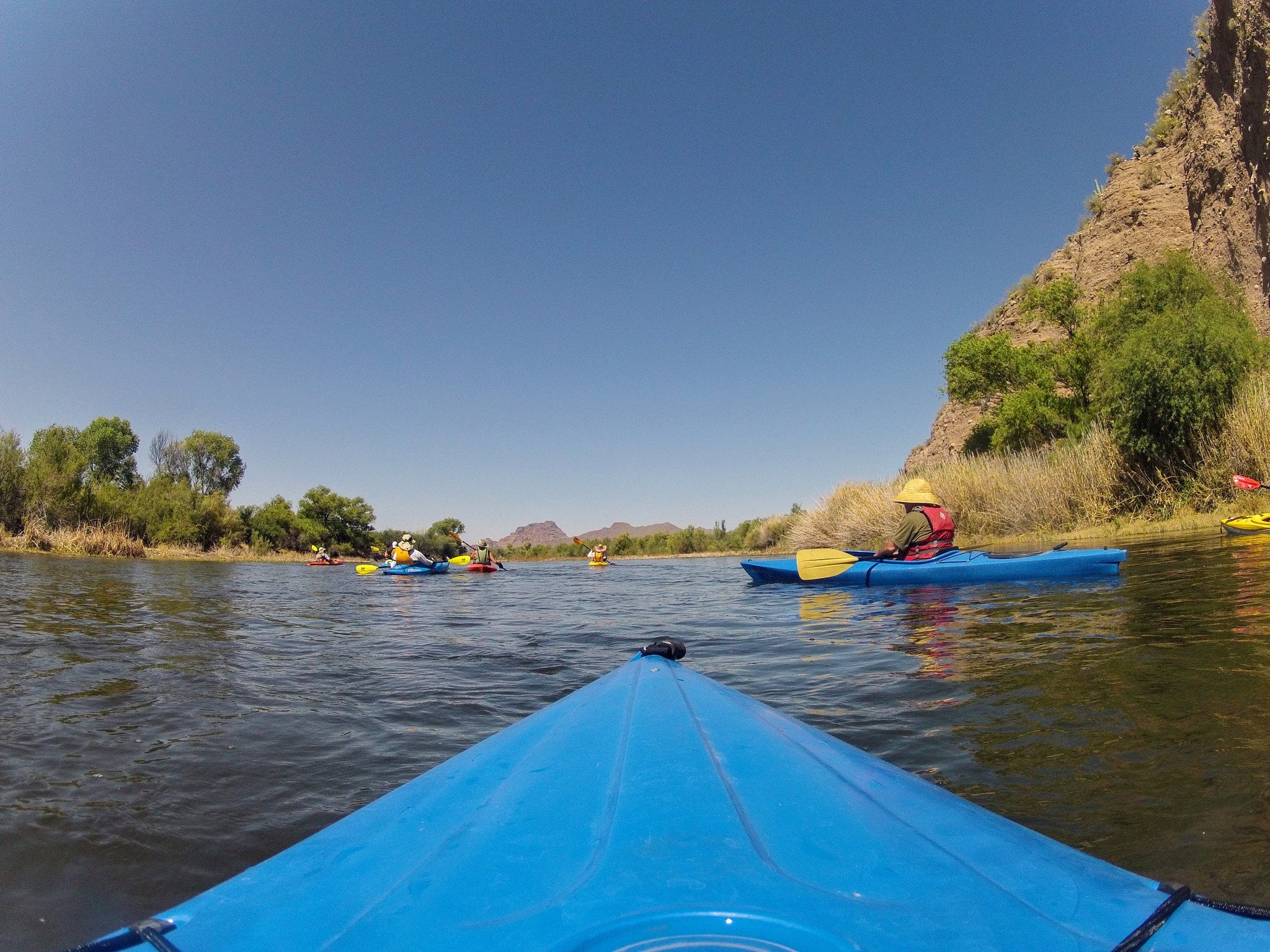
→ This guide covers everything you need to know to kayak the Salt River.
Quick summary
Season: May-Oct
Ideal cfs: 500-1500
Experience level: Novice
Rapids: mostly Class I
River Miles: ~12
Vehicle shuttle required
Parking fee: $8 (Tonto Pass)
What time of year can you kayak the Salt River?
This stretch of the Salt River depends on periodic water releases from the Stewart Mountain Dam. The most consistent of these releases occur between mid-May and mid-October. Luckily, there's a river gauge just below the dam where you can check the streamflow. This is public data, so you check the official USGS source, SRP's website, or use something else like River app. The ideal flow for kayaking is between about 500-1500 cfs. The bare minimum flow you'd need is about 300cfs, though you'd probably have to get out and drag your kayak through some shallows at that level.
Here are the current river conditions:
Even when the gauge looks too low for a full run, you might be able to kayak further down the river. The Verde River joins the Salt River near the Phon D Sutton Recreation Area, often adding enough water to allow for a run downstream. The last mile or so of calm water approaching Granite Reef Diversion Dam features enough water to paddle year round, though it's more lake-like in that stretch. If you're desperate for a paddle but the Salt River isn't cooperating, you can just as easily continue up the road to Saguaro Lake.
What time of day should you kayak?
The key to enjoying your time on the river is to either start very early, or to arrive well after the party has dissipated, or to find yourself there mid-week. My favorite time of day to kayak the Salt River is early in the morning. You'll avoid both the worst of the summer heat and the worst of the tubers. It's remarkably peaceful first thing in the morning, and you'll also see more wildlife by paddling early. I recommend getting on the water no later than 7am, which means arriving closer to 6am to unload your boat and set up the car shuttle (more on that below). Salt River Recreation begins busing tubers to the river at 9am sharp, so you'll want to be downstream of the bridge well before then.
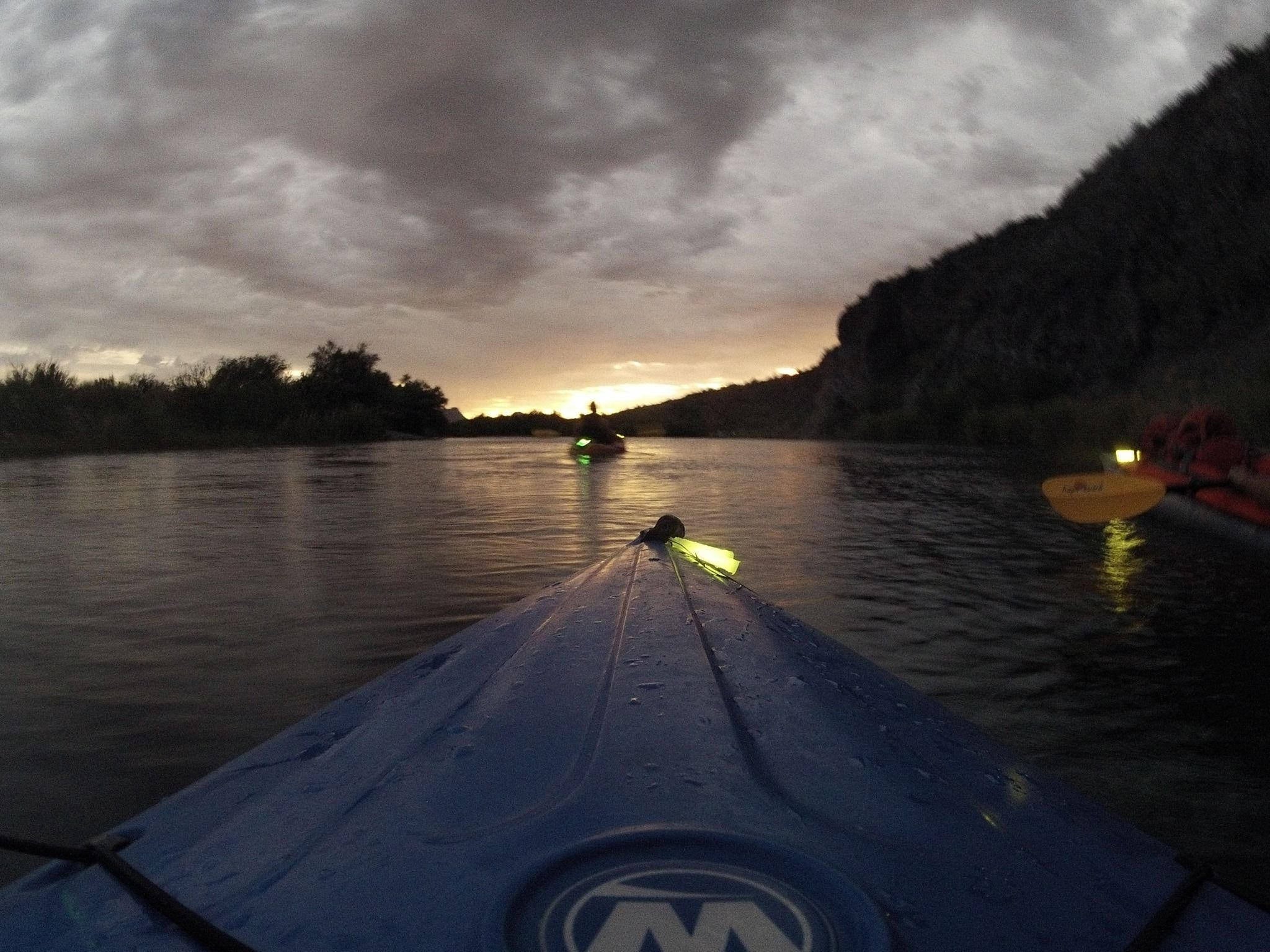
If mornings aren't your thing and you'd rather paddle at sunset, be sure to check out the sunset and moonrise times when you're planning your trip. Take note that it'll still be hot out even after the sun sets, and you still might encounter the tail end of the party-goers (while the shuttle buses end at 6pm, the party often lingers later). If it's July or August, you'll also want to keep your eye on any monsoon storms—it's a good idea to avoid the river during or immediately after one of these storms.
How long does it take to kayak the Salt River?
The main stretch from Water Users to Granite Reef Dam is about 12 river miles and requires a 7 mile car shuttle. On average, it takes roughly 4 hours to paddle the whole stretch, though that depends on how fast you paddle and how fast the river is running. Some groups get it done in 3 hours while others enjoy a more leisurely 5.5 hour paddle. My recommendation is to set aside plenty of time for your first trip and learn what your own style is.
How difficult or technical is it to paddle?
Generally this is a beginner/novice trip with only Class I rapids, two of which approach Class II during certain flow rates (and occasionally reaching Class II after some flash flood events). At the 0.5 mile mark from Water Users, you'll encounter Snaggletooth Rapid. Later, around mile 2.0, you'll encounter a rapid known as either Pinball Alley, Bulldog, Rattlesnake, or Rocky Road, depending on who you're paddling with. This is the fiercest of the entire Lower Salt River, but shouldn't give you much trouble. Under some flow rates, you'll also encounter another wave near Coon Bluff Rec Area around mile 7.0. Take note that the difficulties of each of these changes due to water levels, flooding, or other reasons, so take this just as a guide.
Most of the rapids and ripples on the Salt River are caused by a few large submerged rocks that sit higher than the surrounding river bottom—some of which are exposed above the waterline. It’s generally pretty easy to avoid these simply by paying close attention to the river ahead of you, identifying the areas of choppy water that might indicate an obstacle, and paddling around them.
Here are two basic—and entirely oversimplified—paddling tips for getting through what you’ll encounter on the Lower Salt River.
The most important aspect for beginners is to simply keep your boat pointed straight downstream. Where most paddlers get into trouble is by hitting an obstacle like submerged rock with the side of their boat, tipping them to one side, and thereby allowing the force of the flowing water to flood the cockpit or otherwise capsize the boat. In simplistic terms, the best way to keep your boat upright is keep the front of the boat pointed downstream as much as possible.
Another problem you may run into is bumping into lots of rocks in shallow areas of the river. Again, the primary key here is to simply keep paddling. When you stop paddling, the kayak slows down, often turns to one side, and then you run into the problem above. Remember, you can only steer and propel your kayak when the paddle is in the water.
If you do capsize...
If you do fall in, don't panic! Your pfd should keep you safe.
In many areas, the river is shallow enough to simply stand up in if you manage to tip over. If you're in one of those spots, the first thing to do is to alert others (a great reason to attach a waterproof whistle to your pfd). If you can safely hold on to your paddle and boat, then start making your way to shore with your items. If you can't hold on to them, let your friends downstream collect them for you.
If you can't easily stand up—either because the river is moving too swiftly, or because it's too deep, or because there are more obstacles coming up—then the very first thing you'll want to do is reposition your body to safely float down the river. Turn yourself around so that you are floating on your back with your feet aimed downstream and your knees bent. Try to keep your head tilted so you can see downriver, put your arms out to help balance and steer yourself, and hold your butt up a bit to avoid hitting any rocks. The goal here is to avoid any downstream obstacles and use your legs as shock absorbers for anything that you do run into. Once you've gained some control, alert others. When it's safe to do so, maneuver yourself to the shoreline.
It can be difficult to hold on to any objects after you've flipped, especially if you're still in rough water. If you can't easily hold on to an item, let go of it and have your friends paddle ahead to retrieve it for you. If you can safely hold on to an item, it's usually best to choose your paddle over the boat, since paddles can get damaged or lost far more easily. If you do manage to hold on to your boat, it's usually best to wait to flip it back over until you get to shore.
I always attach my gear—especially my phone case, cooler, and dry bag—to the boat using carabiners. That way if I flip over, I don't lose any items. If you've ever paddled the river, you'll see countless lost items on the shoreline or river bottom from people who did not do this. Not only do people lose many items, but each of these becomes trash in the river. So please—lash it down before you launch!
Once you're to the shoreline, take a moment to collect yourself and your gear, drain any water from your boat, and find a good spot to re-launch from.
Renting a kayak for the Salt River
What kind of kayak should you rent?
Just about any kayak will do on this easy stretch of the Salt River. Sit-on-tops seem to be the most common, followed by sit-ins, followed by inflatables. Overall, I'd say that's in line with my personal preferences for this stretch of river. But don't get me wrong, if I only had an inflatable available, I wouldn't hesitate using it.
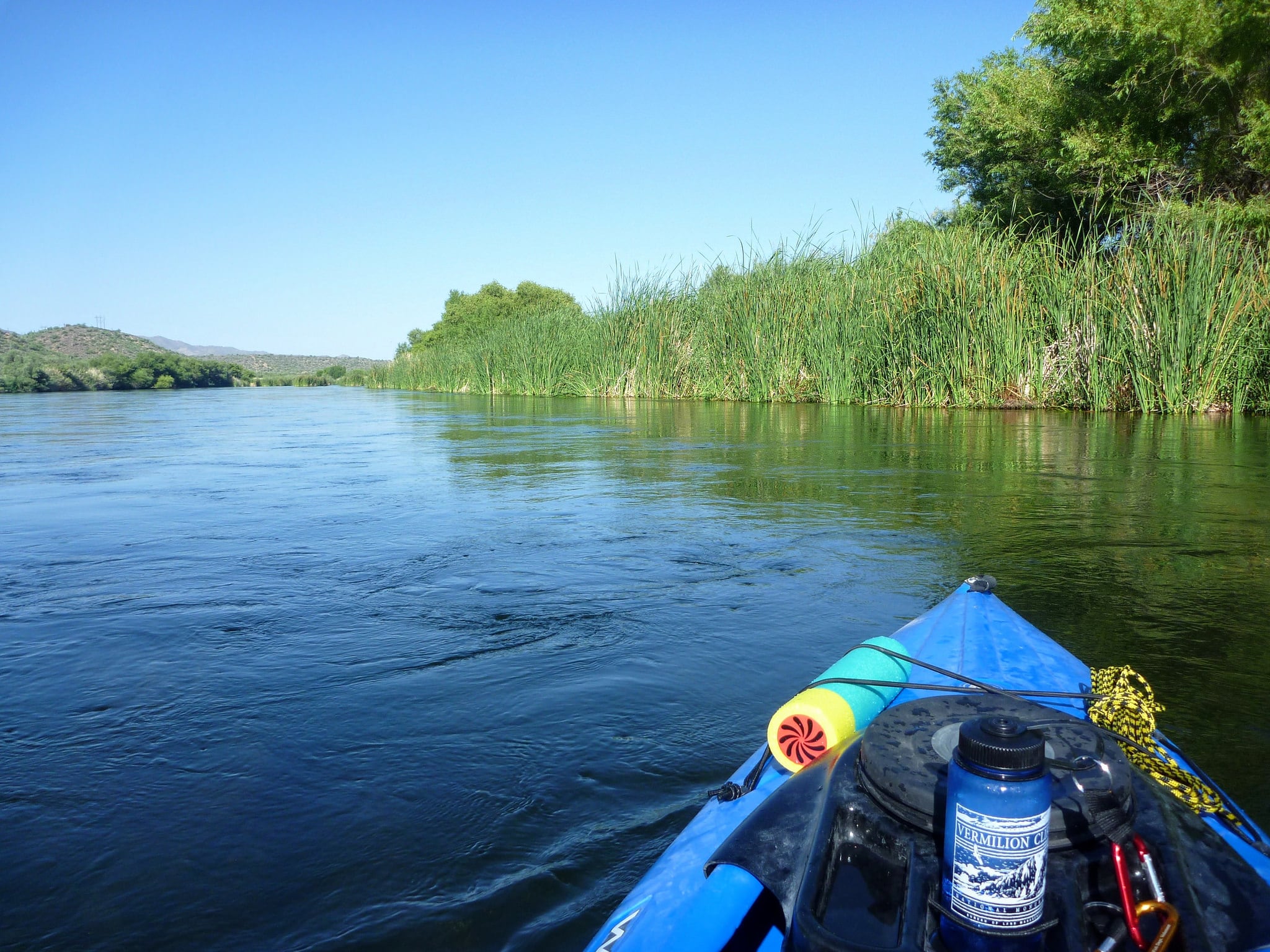
Sit-on-tops are great because they're very stable and they don't make some new paddlers as nervous as the enclosed cockpit of sit-ins. But sit-ins perform the best, even if they require a bit more skill to keep upright. Inflatables are the easiest to transport—no doubt about that—and are very stable but don't perform as well, especially when it comes to tracking a straight line at slower speeds. Luckily, performance isn't much of a concern on a river like this. You'll have fun whatever you paddle.
Where to rent kayaks?
I recommend renting kayaks from the Arizona Hiking Shack, which is near 32nd Street & Thomas in east Phoenix. They have both sit-on-top kayaks and inflatable kayaks available for rent as either single-person or doubles. Single-person kayaks run $35/day while doubles are $45/day. All of their kayaks come with paddle and personal floatation devices (pfd), and inflatables also come with a manual pump. They've always provided me the necessary river straps to transport rental boats on my vehicle. You can also rent a variety of other accessories, or purchase something new from their shop. They also sell Tonto Passes.
Redline also rents a number of boats these days and is a popular option, too. Previously known as East Valley Kayak Rentals, this outfit is located near Higley and McKellips in Mesa. Single kayaks rent for $45/day ($40 if paying in cash), while doubles cost $65/day ($60 if paying in cash).
REI Adventures is another rental option. REI rents inflatable kayaks for $35 (singles) and $50 (doubles) for “1 day” rentals, which means picking them up and returning them the same day between 8am and 5pm. For an extra $10, you can keep them for a full 24 hours. REI also offers river delivery and shuttle for only $15 per boat. That means that they meet you at the river with the kayak and help you set up the shuttle for your driver; the fee also includes one Tonto Pass for your vehicle. You’ll need advance reservations, and this service is only offered between 10am and 4pm, but otherwise this could be an excellent option.
There are a handful of other places you can rent from, including both individuals or other non-storefront locations; you can often find these advertising on craigslist and elsewhere. You can also rent kayaks from Saguaro Lake Guest Ranch by booking one of their unguided tours.
What to bring kayaking
The basic items you'll want to bring kayaking the Salt River
There are a number of basic items you’ll want to bring kayaking on the Lower Salt River. During kayaking season, I recommend keeping them all in one place, such as a plastic tote bin, so that it’s easy to grab before your trip without forgetting anything.
Kayak + paddle
Duh. You’ll never live it down if you arrive without either of these two items.
PFD
It’s federal law to have a PFD for each person onboard, and it just makes sense to wear it. After all, PFDs that you’re not wearing typically aren’t useful to you after you’ve fallen into the water. Buy one that’s comfy so you’re more inclined to use it.
Hat or visor
Unless you’re paddling at night, you’ll probably want a hat or visor. Luckily, if you’re launching in the early morning, you’ll be paddling with the sun at your back.
Sunglasses
Trust me, you’ll want to bring these. If you have prescription glasses or sunglasses, you might want to bring a croakies-style glasses strap to keep them secured to your head in case you end up in the water.
Sunscreen
Don’t forget to put on plenty of sunscreen before you launch. And keep in mind that you’ll need to reapply it when you stop for a break. Or better yet, wear long-sleeved UV protection shirts that will ensure you stay covered (it’s easy to keep these wet, which helps keep you cooler). Remember to add sunscreen to your legs, inner thighs, knees, and feet—all of which may be exposed during your paddle.
Appropriate clothes
You’ll want to wear clothes that are comfortable while wet (e.g., not your standard cotton t-shirt). I usually wear a swimsuit and a long-sleeved synthetic shirt with UV protection. Some people wear lightweight hiking or yoga pants to help protect their legs from the sun. Whatever you wear, make sure that you’ll enjoy wearing it even when it’s soaking wet.
Towel
You may want to dry off if you go for an unexpected swim, and it’s also useful to keep a dry one in your vehicle, too.
Dry bag
These are particularly important for keeping everything dry in case you tip over. Be sure to clip your bag to the boat with a carabiner so that it doesn’t float away if you capsize (this goes for all items on your boat, including coolers). I always bring several ziplock baggies, just in case I need them.
Sandals or water shoes
You’ll likely get your feet wet at some point during the trip, so I recommend wearing sandals with heel straps (like Chacos or Tevas—not flip flops that can easily fall off and float away if you capsize) or water shoes. Some people use neoprene booties, but I suggest sticking with something a bit more substantial. Good traction is useful, as submerged rocks can be quite slippery.
Water
Always bring (and drink) water, even if you’ve brought other beverages. This is the desert, after all.
Snacks
Most groups take a break halfway through the paddle, which makes for a perfect time for a quick snack.
Whistle
Federal regulations require every boat, including kayaks, to have a signaling device on board—and a whistle is your best option on the Lower Salt River. Even if it wasn’t required, I find it useful to have, especially to communicate with friends ahead or behind me on the river. Just be sure to let everyone know what the signal code is prior to hitting the water.
Optional items
Cooler
Most paddlers bring a cooler to keep their beverages cold. I strongly recommend a cooler with a zipper, as the others will usually dump all of their contents if you tip over. Not only are you then without your beverages, but you’ve also created more river trash. As with all gear, make sure to lash your cooler to your boat.
If you bring adult beverages, remember to leave the glass at home. Also keep in mind that the Bush Highway is heavily patrolled by sheriff deputies. Play it safe and find a designated driver.
Kayaking gloves
Most people on the Salt River don’t use kayaking gloves, but they can be nice if you often get blisters while paddling. If your paddle starts to get hot in the sun, it’s easy enough to quickly dunk it in the water to cool it off.
A change of clothes for the car
This is especially useful if you plan on grabbing a post-paddle beer or lunch with your paddling friends.
Cold drinks for the car
Trust me, it’s great to have a cold beverage on hand while you load your kayak and gear in the hot sun after a long paddle. I usually bring some extras in case a paddling partner needs one, too.
Headlamp
If you’re paddling near sunset or by moonlight, be sure to bring a headlamp. A white light is required by law, and it’s important to have if something goes wrong. Be sure to test the batteries before you leave home, and better yet, carry some extras in case you need them.
It’s also helpful to add a couple glow sticks or other small lights on the front and back of every boat so everyone can see where each boat is. You want these to be bright enough that others can see where your boat is, but not so bright as to impair your night vision. And, please tie them securely so they don’t fall off and become river trash.
Bug spray
Depending on the time of year, there can be swarms of tiny flying insects (including mosquitos) near where people launch and take-out and in a few other short stretches on the river. If you hate dealing with flying insects, you might want to bring some bug spray or even a cheap bug head net.
An extra trash bag (and gloves or a “picker-upper” tool)
It’s our collective responsibility to keep the river clean, but not everyone takes this responsibility to heart. While it’s frustrating to come across someone else’s trash, it’s even more frustrating to know that it’ll remain there unless we pick it up. Help do your part to make kayaking the river a more enjoyable experience by picking up any trash you see during your trip. I end each trip with numerous pieces of trash I’ve collected along the journey.
Bilge pump
If you don’t have a self-bailing boats, you may want to bring a bilge pump—a manual hand pump that can be used to get excess water out of your kayak’s cockpit. Alternatively, you can also bring something like a plastic drink cup that you can use to scoop out water. I generally don’t worry about this on the Salt River, where the cool water helps keep you refreshed and it’s easy to stop to drain your boat if needed.
Kayak cart
While it’s general paddler courtesy to help carry your group’s boats down to the launch point (or back to the vehicles at the take-out), some people prefer using a kayak cart—a two-wheeled contraption that you attach to one end of your boat.
Gloves for your vehicle
If you’re transporting your boat on top of your vehicle, you may want to bring some gloves to avoid burning your hands while loading—after all, your vehicle has been in the sun for hours and it’s likely very hot.
You'll need a Tonto Pass
In order to park at any of the recreation areas along the Lower Salt River, you'll need a Tonto Pass.
Quite a few kayakers carpool to the river in order to save on Tonto Passes. I highly encourage this, as it also reduces parking issues at the recreation sites (especially Granite Reef). Paddling groups routinely meet in shopping center parking lots near Power and McDowell and leave vehicles there during their kayaking trips. As long as you park at the edges of the parking lots, you shouldn't encounter any problems.
Which Tonto Pass do you need?
There are two primary options for Tonto Passes: a $8 Daily Pass and a $80 Discovery Pass, which is good for one year. If you're just starting out kayaking the Salt River, I'd recommend grabbing a daily pass. The daily pass requires you to scratch off the appropriate date and time before displaying it, so you can easily stock up on a few without "starting the clock," so to speak.
A quick side note: because these passes are only good for 24 hours from the time you validate it, you may need more than one to do an overnight trip on one of the lakes (no overnight dispersed camping is allowed along the Salt River itself).
If you recreate often along the Salt River, the annual Discovery Pass might be cheaper for you. If you're a senior or disabled, you qualify for a discounted $60 annual Senior or Access Discovery Pass.
Note that you do not need an additional Watercraft Pass if you are using a non-motorized boat, like a kayak, packraft, or canoe.
Where can you buy a Tonto Pass?

Tonto Daily Passes can be purchased from Tonto National Forest offices, online, by mail or by phone, or at a long list of local retailers (pdf). Here's slightly-outdated google map showing all of the vendor locations; I suspect that most all of these locations are still active resellers, but you might want to call first to be sure. I usually buy mine at one of the gas stations near Power & McDowell on my way to the river.
Some of the recreation sites also have a kiosk where you can buy them. I try to rely on these only as a last resort, however, since the machines aren't always working and there is a convenience fee added to the charge.
The annual Discovery, Senior, and Access Passes are only sold at Tonto National Forest offices, and you'll need to bring ID or proof of your disability. Each of these passes is issued to one individual who must sign the back of the pass. The pass then covers all occupants of a single, private noncommercial vehicle as along as long as the pass holder is present.
Does the America the Beautiful Pass/Interagency Pass work?
An America the Beautiful Annual Pass (also known as the National Parks and Federal Recreational Lands, or interagency pass) covers your vehicle when you park and kayak from the sites along the Lower Salt River. You can purchase an America the Beautiful Annual Pass online, in person at a number of federal recreation areas and offices, or at select retailers, such as REI. Please note that online orders are not fulfilled electronically and include an additional processing fee. I prefer to purchase my annual pass at my favorite local national park, which gets to retain a portion of the sale price for its local operations.
In previous years, there was substantial confusion, even among some Tonto National Forest rangers and staff, on whether the America the Beautiful pass covered kayakers on the Salt River. As a result, quite a few kayakers had been mis-told (and some even ticketed) for using an America the Beautiful pass in the past. However, that confusion was finally remedied and everyone now seems to be on the same page—the America the Beautiful annual pass is indeed accepted at all the Lower Salt River recreation sites.
Salt River kayaking map
Below you'll find a custom google map of some of the locations mentioned in this guide.
How to get to the Salt River
There are three ways to get to the Lower Salt River, which is accessible solely via the Bush Highway. The first is to drive north on Power Road from the Loop-101 freeway in northeast Mesa. Power Road heads north for a few miles before turns east and becomes Bush Highway, passing each of the river's main recreation areas and roughly paralleling the river until reaching Saguaro Lake.
Alternatively, further east you can drive north on Ellsworth Road, which becomes Usery Pass Road and connects with the Bush Highway a few miles later. When arriving at Bush Highway via this route, Blue Ridge, Pebble Beach, Water Users and Saguaro Lake Guest Ranch will be to your right, whereas Coon Bluff, Phon D Sutton, and Granite Reef will be to your left. If you went straight, you'd arrive at Salt River Recreation, the outfit that runs the busy tubing rental and shuttle service for the river.
The other way to find the Lower Salt River is via Exit 199 from "The Beeline," Hwy 87. This might be most convenient for those coming from the north valley via Shea Blvd and Fountain Hills. At the top of the off-ramp, turn south and follow the road past Saguaro Lake.
Where to launch from
There are a number of places you can launch from. I'll take them in order, starting at the furthest upstream put-in. You'll need a pass for each vehicle parked in each place mentioned below, except the privately-run Saguaro Lake Guest Ranch.
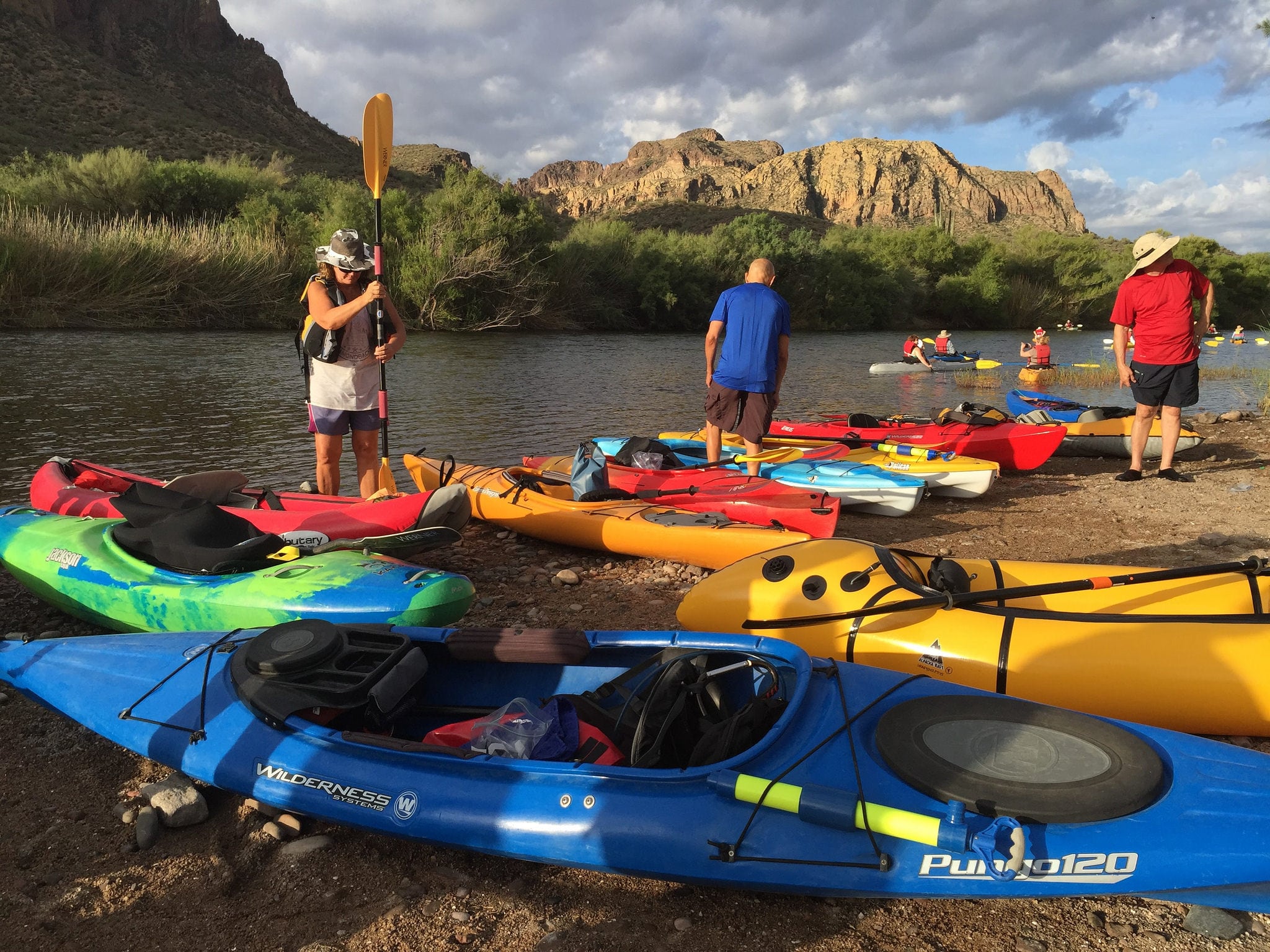
Saguaro Lake Guest Ranch
This is the furthest spot upstream to launch, just a bit down river from Stewart Mountain Dam. The longest trip you can do on the Lower Salt River starts here and ends about 13 river miles later at Granite Reef. The best part of launching from the ranch is the first 3 minutes: you almost immediately hit some fun rapids as the river turns hard right under some magnificent cliffs. After you clear the rapids, look up—you might see an eagle perched high above you. It's my favorite stretch of the entire river, even though it's just a few minutes upstream from the first public launching spot. The actual put-in here at the ranch is a bit more difficult than a sandy beach, but the views are worth it.
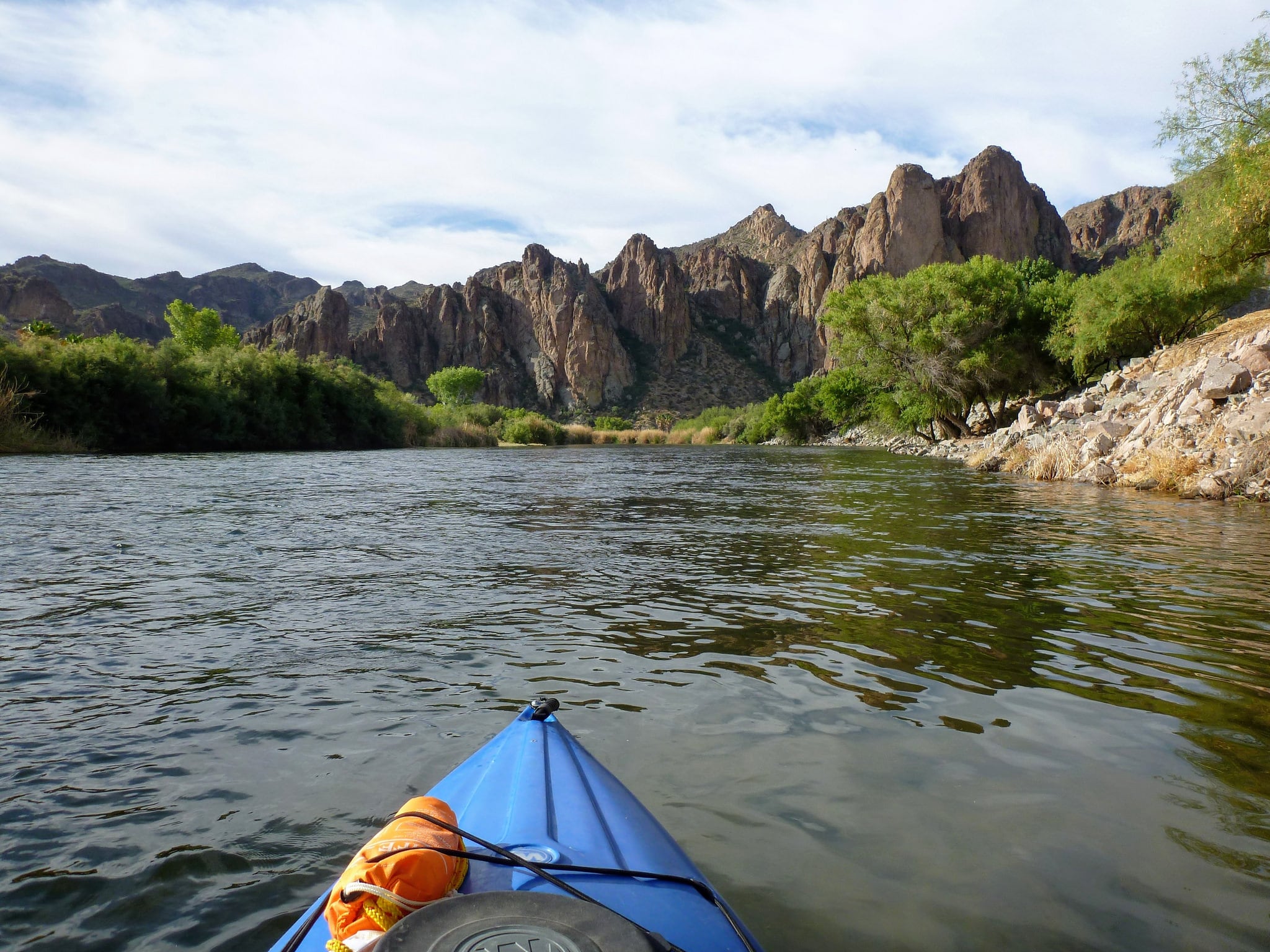
Because this launch starts at a private guest ranch, you'll need to pay for the privilege. One option is to book what the ranch calls a "self-guided tour." That basically covers your parking fee, boat and gear rental, and a shuttle back to the ranch. Roughly two-hour "tours" cost $50 while the longer 4.5 hour trips run $75. You'll need a reservation for both of the tours. If you're just looking to launch from the ranch, you can instead pay $15 per vehicle (includes one boat), plus $5 for each additional boat. You'll need to check in with the front desk to pay and obtain a parking pass before you launch, and the ranch requires you to remove your vehicle by 3pm.
Water Users
This large parking lot is where most tubers start, and it's also the most common put-in for longer kayaking trips down the Salt River. Water Users is located just a few minutes downstream of Saguaro Lake Guest Ranch and requires a Tonto or Interagency Pass to park at. This rec area is no frills—it's really just a place to park while you paddle or float the river. There are pit toilets here, but no drinkable water. If you fail to arrive long before (or long after) the summer tubers, you'll regret stopping here. This is also sometimes referred to as Stop 1 for the tubers.
"The Bridge"
There are two recreation areas on the immediate east side of the bridge over the Salt River. The downstream/north area is called Blue Point, while the more expansive area across the highway is called Pebble Beach. Both are popular areas to launch kayaks for shortened trips down the river.
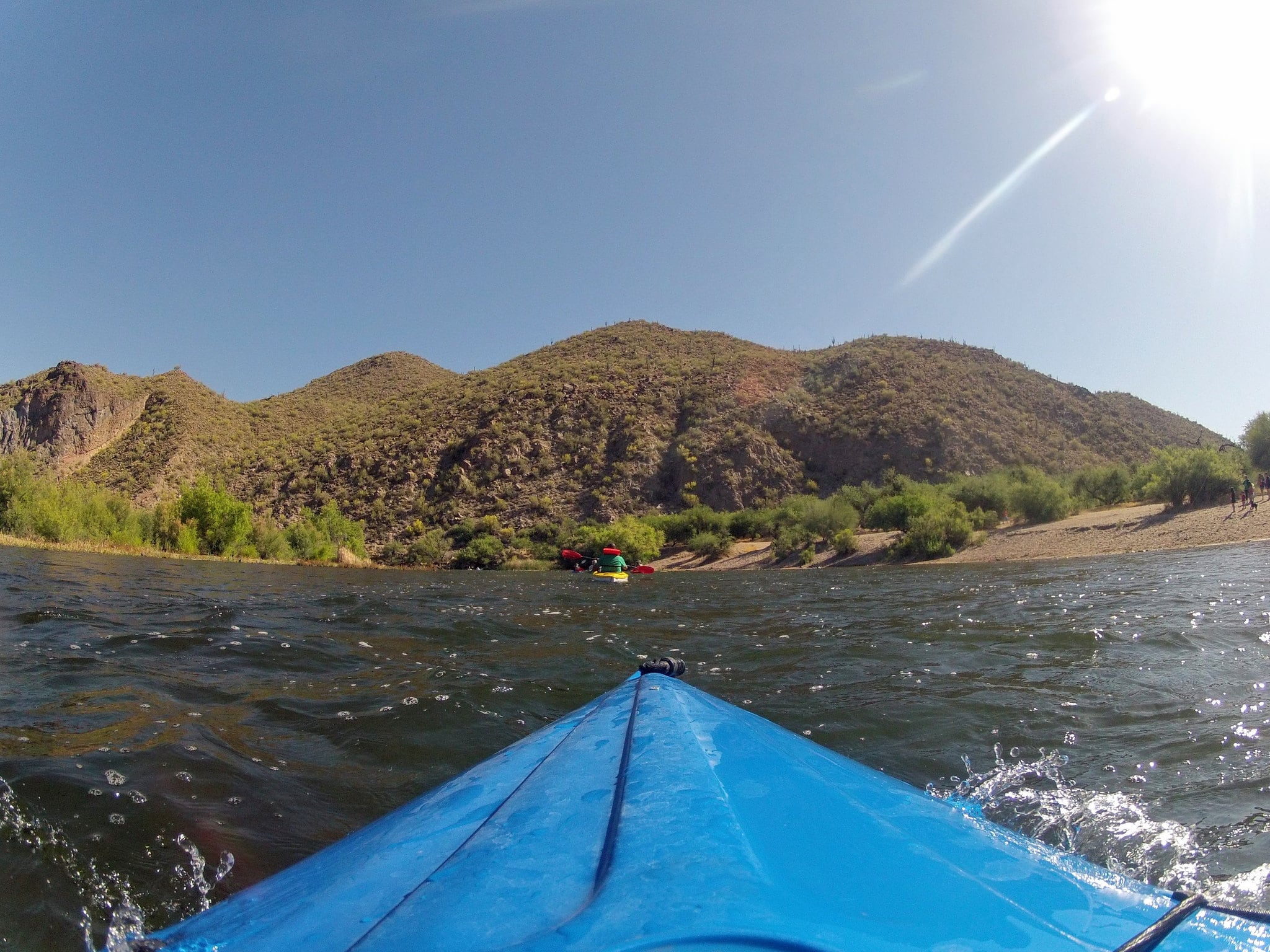
This is also a great spot to launch for those who want to avoid the rapids of Bulldog Canyon (sometimes referred to as 'Pinball Alley'), the most extensive set of rapids on the Lower Salt River. In spite of its smaller parking lot, Blue Point is a bit preferable as the shoreline is closer to the parking lot so you won't have to carry your boat as far. Also, the river flattens out and is more shallow near the bridge, so it's easier to start on the other side of the ripples, especially in low water. The river around Pebble Beach can also get rather crowded with non-kayakers, so it can be easier to just avoid dodging kids swimming or fisherman stading in the river by launching downstream of the bridge.
There are pit toilets at both sites, but no running water. Don't forget that you'll need a Tonto or Interagency Pass to park at both Pebble Beach and Blue Point. Pebble Beach is also known as Stop 2 by the tubers.
Granite Reef
If you're looking for more of a workout, you can also put-in at the Granite Reef Recreation Area—traditionally, the last take-out of the Lower Salt River stretch before the Granite Reef Dam. From here, you can only paddle upstream, against the slow flow of the river. However, this area is nearly always flat, slow-moving water that more closely resembles a lake than a fast flowing river. It's also your best and easiest option for a quick paddle during low flow periods.
Where to take out
Phon D Sutton
Phon D Sutton is the most convenient and the most popular ending spot for Salt River kayaking trips. Finding the take-out is extremely easy; just aim for the small beachy area on the far left as you approach the large rock outcropping that sticks out into the river. This popular rock area will almost certainly be filled with various people fishing, sunbathing, or otherwise enjoying the river. Disembark here and carry your boat up the small hill to your left and you'll find yourself at the parking lot.
Phon D Sutton has pit toilets, picnic shelters, and both a large parking lot and a secondary lot further back. Be sure to park your vehicles in the back half of the first parking lot area. The path you'll later carry your boats up emerges between the two picnic shelters, so aim to park in a spot close by.
Granite Reef
Granite Reef is the end of the line for kayaking trips on the Lower Salt River. Unfortunately, it's also home to the fewest parking spaces of any of the main rec areas, so you may want to start a bit earlier than normal if you're planning on parking several vehicles here. Alternatively, you can set up a "reverse" car shuttle—more on that below. Granite Reef is also home to the smallest landing, so it make take a few moments to empty a crowd off the river. In fact, the take-out can be a bit hard to find from the river. There is a medium-sized palm tree on the north bank—river right—that you should keep an eye out for. The take-out is nearly directly across the river from the tree, tucked into a small nook. If you can't find a parking space at Granite Reef, there's a dirt pull-off about 4/10ths of a mile east.
How to set up a car shuttle
The great thing about kayaking a river is that the water does half the work for you—whether or not you paddle, you're heading downstream. The bad part of kayaking a river is that you're heading downstream, so you'll need to arrange a car shuttle.
The only exception for the Salt River is if you're launching from Granite Reef. The water is more lake-like down near the dam, so it's possible to paddle up river up a bit and then float back down to your car. Unfortunately, that's not really an option for the rest of the river. If you've paid for a tour from the Saguaro Lake Guest Ranch, then you'll be receiving a ride back courtesy of the ranch and you can skip this section.
You'll need at least two vehicles for the car shuttle, and each vehicle will require a Tonto Pass. It's a bit easier if you have more than 2 cars and more than 2 people, as it allows you to have someone you know keep an eye on your boats.
- Drive the boats to the launch site. Drop off your boats and any gear that you want for the trip. You'll probably want to leave at least one person here to watch your stuff.
- Drive all the vehicles to the take-out where you'll leave them for later. I like leaving a cold beverage and a towel in my vehicle so I have it when I finish the paddle.
- Using as few vehicles as possible, drive everyone back up to the take-out.
- Launch your boats and enjoy your paddle down the river.
- When you're done kayaking, someone will need to drive the owner(s) of the vehicle(s) used in step 3 back to their vehicles parked at the put-in while everyone else loads their boats into their own vehicles.
You can also reverse this scenario and drop off a sufficient number of vehicles at the take-out first, on your way to the put-in. This adds a bit of difficulty in that you'll need to transport all of the boats up to the put-in using fewer vehicles than they arrived in, but it's one way to deal with the lack of parking spaces at Granite Reef.
A third alternative to dealing with Granite Reef's limited parking is to follow the normal car shuttle routine but to leave one or more vehicles at Phon D Sutton or one of the pull-offs along the Bush Highway. At the end of the paddle, drivers can be shuttled back to their vehicles before heading back to the take-out to retrieve their boats. As you can imagine, I usually prefer to end at Phon D Sutton to avoid these logistical challenges.
Other things to consider
Salt River wild horses
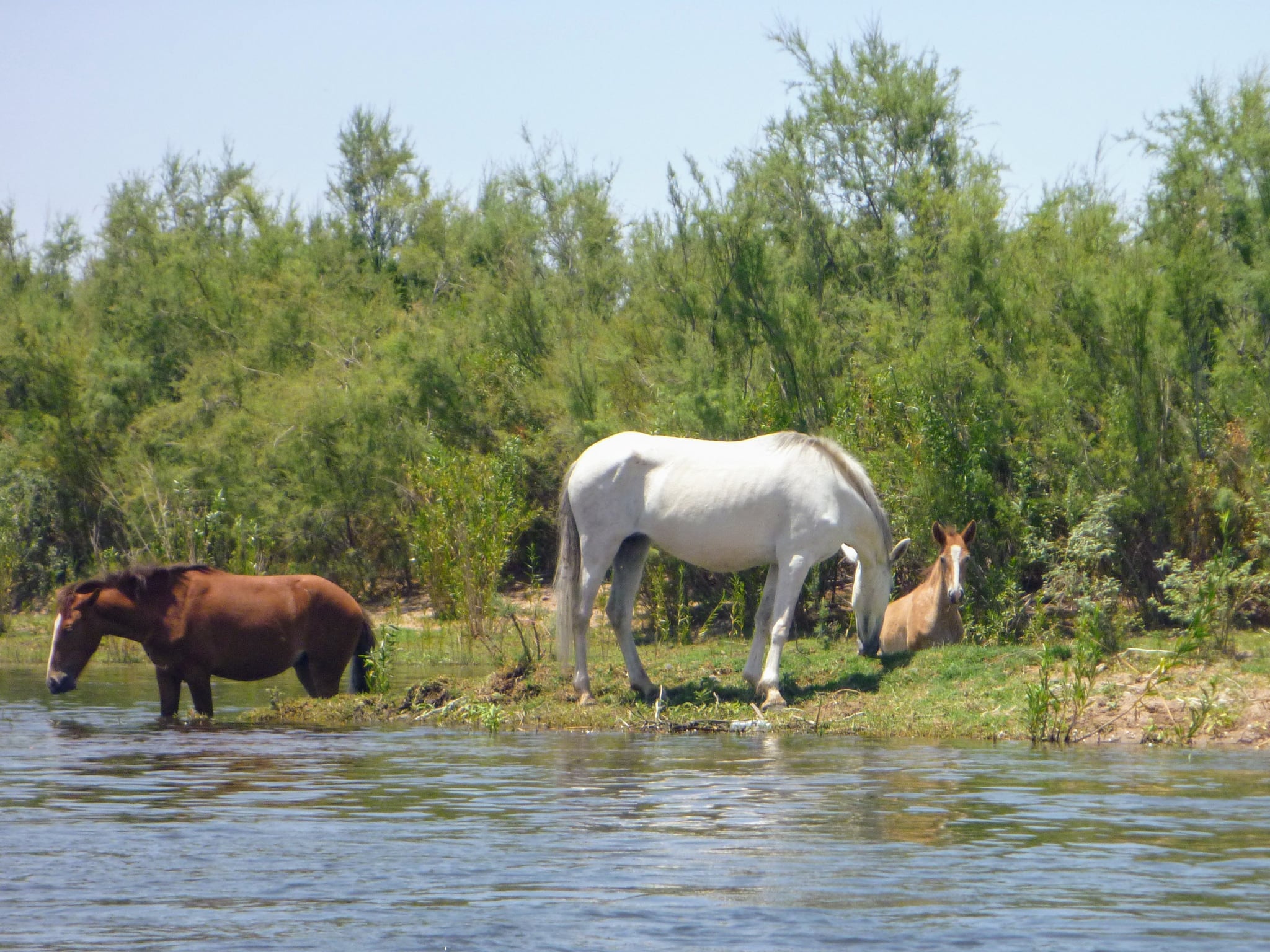
Yes, it's common to see "wild" horses during a paddle. No, they're not actually "wild," at least in the most accurate sense of the word. While recent legislation officially bestows the name “wild horses” upon the herd, they’re not exactly wild, at least in the truest sense of the word. Unlike other native wildlife, these horses did not evolve with the Salt River landscape, but are descendants of domesticated horses.
Nonetheless, many paddlers enjoy seeing them. You're most likely to see some if you paddle in the early morning. Feel free to take photos, but please don't disturb them. They also often cross the Bush Highway, so please be careful while driving. Originally stuck in a legal limbo, these horses are now protected under state law. There is a local nonprofit that helps to manage the herd, and you may encounter volunteers who try to keep people from harassing them.
Learning how to kayak
Arizona Hiking Shack, REI Paradise Valley, and REI Chandler locations offer short classes on kayaking and can help you choose the proper gear. Arizona Game and Fish Department also offers some education courses, as do a number of other groups.
Finding other people to kayak the Salt River with
The easiest way to find people to paddle with is by joining a Phoenix-area Meetup group. There are a few kayaking-focused groups, including Paddle Arizona, Phoenix Kayak Club, and Just Add Water Paddlers, among others. Each of these groups offers nearly-weekly kayaking trips down the Salt River. A number of other meetup groups offer Salt River kayaking events, even if they aren't primarily a paddling group. A quick search will likely yield several scheduled trips. There's also a Facebook group for Lower Salt River Kayakers where people more informally meet up for trips together, as well as one focused on organizing shuttles called Lower Salt River Shuttle Connection. And if you're still striking out, check out this post about ways to make more outdoor recreation friends.
Where to go for a post-paddle food or beverage
Red, White and Brew at Power/McDowell is a common post-paddle get together spot. I also recommend Desert Eagle Brewing's Falcon Field location near McDowell and Higley. Both offer a selection of craft beers and decent food.
What other questions do you have?
I've tried to put together a comprehensive guide for kayaking the Salt River, but I may have missed something. Let me know what else you want to know about in the comments.
Campsite 12 at Kodachrome Basin State Park
Sometimes, you find yourself in a really great campsite. Last weekend was one of those instances.
While we often disperse camp on BLM or National Forest lands, we had decided to reserve campsites last weekend, given our rather aggressive itinerary. Kodachrome Basin State Park seemed like the natural first night's stop, since we'd be driving Cottonwood Canyon north through the middle of famed Grand Staircase-Escalante National Monument. We selected site 12 from the available options, and it did not disappoint.
What makes a good campsite?
For me, there are a few things that I tend to prefer in campsites. Please note that I'm referring to developed campgrounds here—not dispersed or backcountry sites, which I'd evaluate using much different criteria.
First, I prefer small to medium-sized campgrounds, usually between about 15-40 sites. Larger campgrounds tend to have very small sites that feel nearly on top of each other, and tend to be more crowded to begin with (hence, their large capacity). Extremely small ones often lack useful amenities, like flush toilets and sinks. Don't get me wrong, I'm fine using vault toilets and otherwise roughing it. But if I'm paying $15-30 for a place to sleep for the night, I expect a few additional conveniences. It's often nice to have showers too, especially if you've been outside all day. I tend to sleep better when I feel clean. I don't rely on firewood being available for purchase at the campground, but it's always nice to have as a backup or supplemental option.
While campgrounds can sometimes be a fun social experience, I usually prefer more privacy. So I look for sites along the outer loops and especially those that have a visual barrier between my site and neighboring ones. Shade can be an important factor too, especially here in the desert southwest, so some tree cover or a shade structure is often appreciated.
I usually don't care much about distance to the restrooms or water spigots; neither is usually too far way to cause much hassle. However, the inverse isn't true—proximity to the restrooms or water can mean a constant stream of visitors passing by your tent. Worse, occasional whiffs of an overly ripe vault toilet can really ruin the camping mood.
If you're tenting it as I often am, a flat tent pad that's not too rocky is key. After that, it's all bonus. Being a westerner, I have a relatively high expectation that really good campsites should offer some sort of expansive or scenic views, too. Proximity to streams or lakes is usually nice as well, though sometimes that means more bugs or higher winds.
Evaluating campsite 12 at Basin Campground
On par, campsite 12 was nearly perfect for our needs last weekend. The campground is the perfect size, and offered just the right amenities. The restrooms were clean and modern, and the shower stalls were spacious. While there wasn't any way to adjust the shower temperature, it was exactly the right temp for me. In addition, a sink for washing dishes and a self-serve supply of firewood—a handy to carry bundle for just $5, with proceeds benefitting the Boy Scouts—were appreciated conveniences.
The site is well isolated from neighbors with its own mini loop, making it feel like you were alone. Due to the configuration of the campsites, all RVs were on the other side of the campground. Best of all, it was at the far end of the campground near the head of the basin, making for some excellent panoramic views. We'll be back the next time we find ourselves looking for a campground in the area.
If you go
There are multiple campgrounds atat Kodachrome Basin State Park, but the one you're looking for is the largest one, Basin Campground. Campsites are $20 per night, plus an $8 registration fee. Check availability on site 12; if it's already taken, there seemed to be several other sites that looked like quality backup choices. Not all sites are reservable online, so you might be able to snag one on a first come, first served basis, too.